WorldAnimalFoundation.org is reader-supported. When you buy through links on our site, we may earn an affiliate commission. Learn More
Australia is home to some of the world’s toughest, smartest, and most hardworking dog breeds. Bred to thrive in the country’s harsh landscapes, these dogs have developed exceptional endurance, intelligence, and adaptability. Whether herding cattle in the outback, hunting in rugged terrains, or offering unwavering loyalty as family companions, Australian dog breeds are known for their strength, agility, and resilience.
From rugged cattle dogs to affectionate companions, Australian breeds reflect the spirit of the land they come from—bold, adventurous, and deeply loyal. Whether you’re looking for a hardworking farm dog, a dedicated guardian, or an intelligent and affectionate family pet, Australian dog breeds offer some of the most unique and capable canines in the world. Let’s explore the incredible breeds that call Australia their homeland!
Australian Dog Breeds
1. Australian Cattle Dog
They (also known as the Blue Heeler or Queensland Heeler) were developed in the 1800s to help ranchers manage cattle across Australia’s challenging landscapes. According to the American Kennel Club, this dog is a quintessential Australian herding breed, it’s sometimes mistaken for the Australian Shepherd, a breed that, despite its name, originated in the western United States and has distinct physical and temperamental differences.
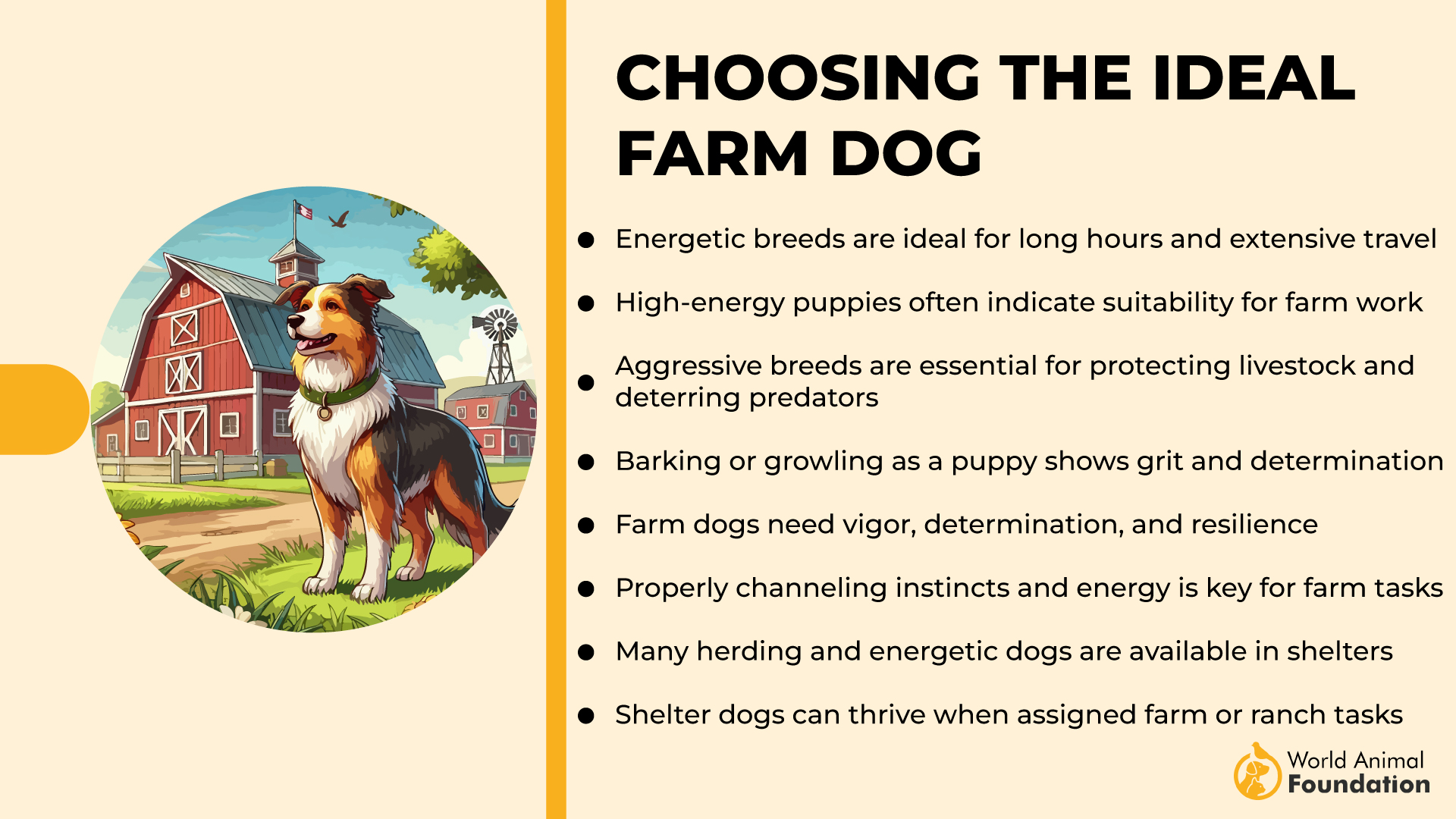
If considering an Australian cattle dog, be prepared for high energy levels that require plenty of exercise and mental stimulation. These intelligent dogs excel at dog sports, herding trials, and other activities that challenge both mind and body. Without proper outlets for their energy, they may become destructive or develop behavioral problems.
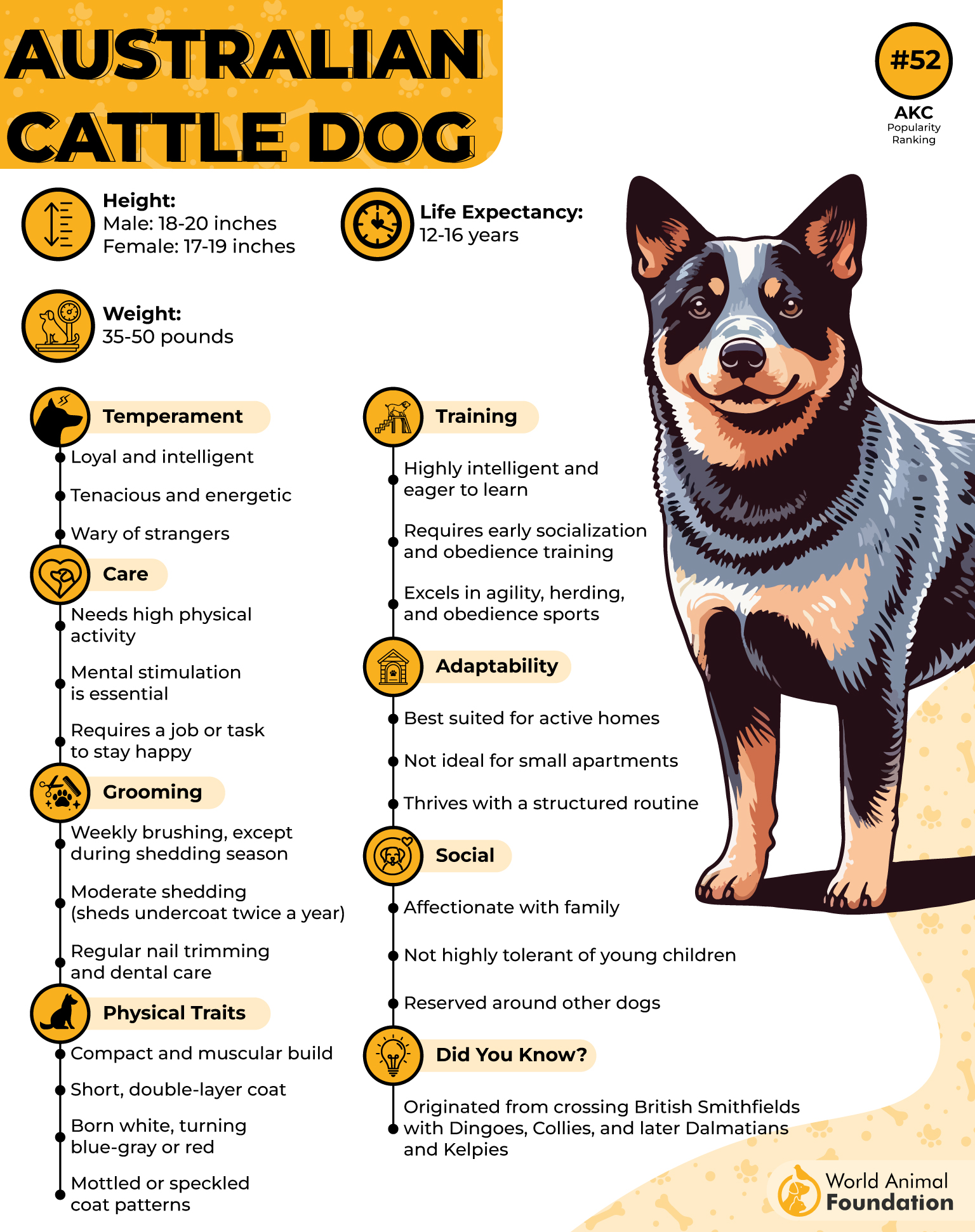
Their thick double coat requires regular brushing to manage shedding, which can be quite heavy during seasonal changes. Otherwise, they’re relatively low-maintenance in the grooming department.
Like many purebred dogs, Australian Cattle Dogs can be prone to certain health conditions, including hip dysplasia and progressive retinal atrophy. Some lines may also have a higher incidence of congenital deafness.
For active families who enjoy outdoor adventures, the Australian Cattle Dog makes a loyal natural and protective companion. They form strong bonds with their people and are known for their unwavering devotion. However, their herding instincts may lead them to nip at the heels of running children, so early training and socialization are essential.
2. Australian Silky Terrier
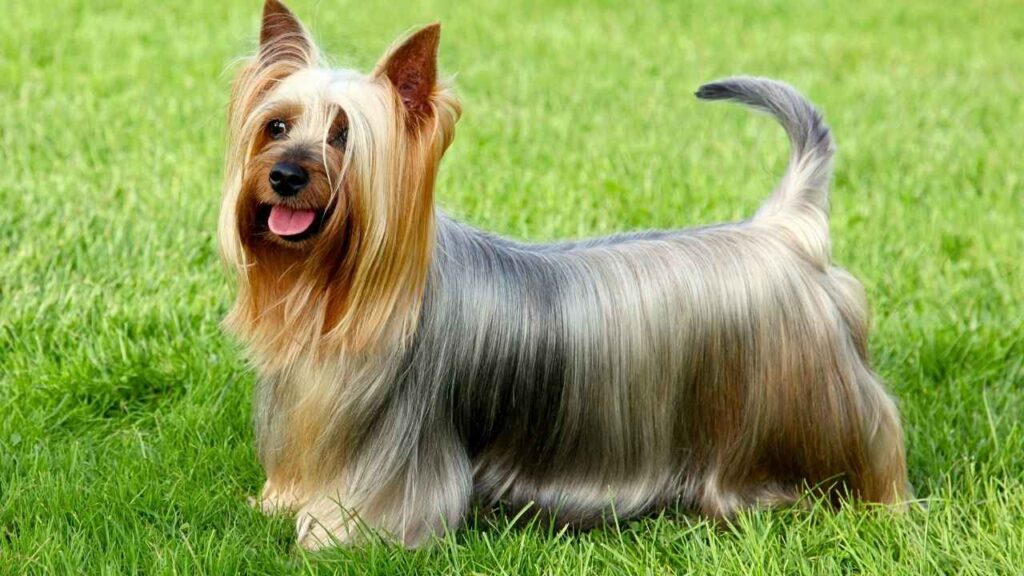
Despite its diminutive size, the Australian Silky Terrier has a big personality. Developed in the late 19th century from a mix of British terriers (primarily the Yorkshire and Australian Terriers), these dogs were originally bred to hunt vermin in Sydney. This Australian dog breed, though small, has a rich history tied to early Australian settlements.
True to their name, Silkies have a stunning coat that resembles human hair more than typical dog fur. Standing at just 9-10 inches tall, these little dogs pack a lot of personality into a small package! They are not considered large breed dogs, making them ideal for those with limited space.
Despite their small size, Silkies have the typical terrier stubbornness that requires consistent, positive reinforcement training from an early age. Early socialization helps prevent the development of small dog syndrome, a common issue among little dogs that are not properly trained.
Their beautiful silky coat comes with significant maintenance requirements. Regular brushing (almost daily) and periodic professional grooming of coats keep their silky locks in top condition and prevent painful mats from forming.
Silkies generally enjoy good health but can be prone to patellar luxation (dislocated kneecaps) and various eye conditions including cataracts. Their small size also makes dental issues common, so regular teeth cleaning is important. These dogs are not typically used for dog sports due to their size, but they do enjoy agility courses designed for smaller breeds.
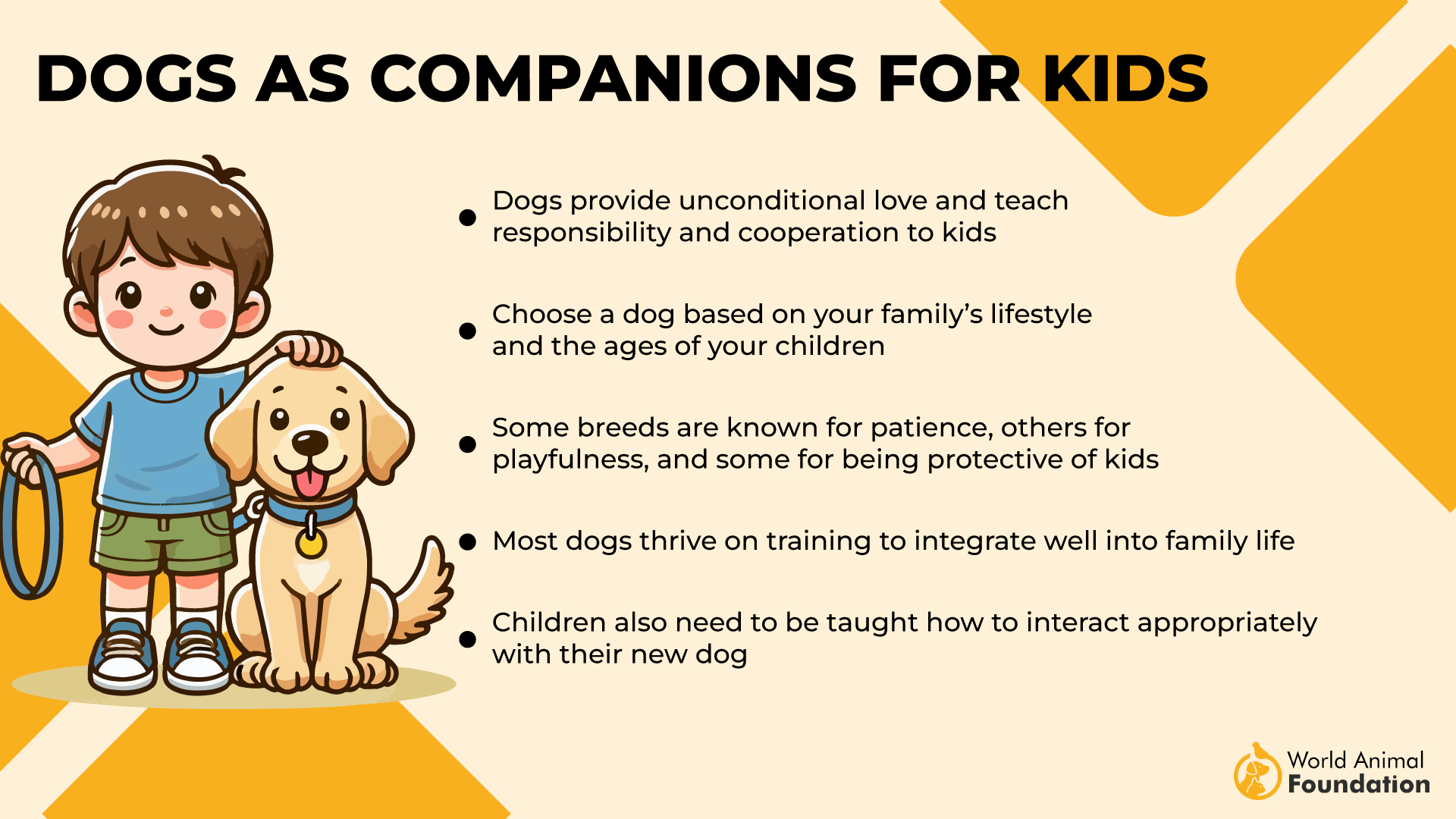
These affectionate little dogs make wonderful companions for families with older children who understand how to interact gently with a small dog. They adapt well to apartment living but still enjoy regular exercise and playtime.
They are often considered great family dogs and can even be considered lap dogs due to their size and affectionate nature. However, they may not be the best choice for first-time dog owners who are not prepared for the grooming commitment.
3. Koolie
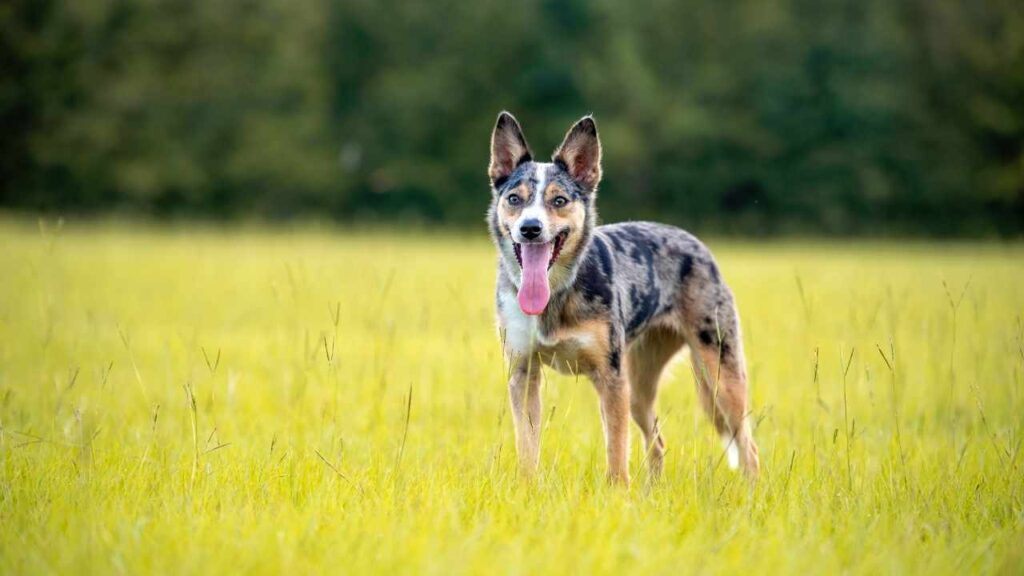
The Australian Koolie (sometimes spelled “Coolie”) has been part of Australian farming life for generations, though the breed has only recently gained more recognition. Developed from imported European herding dogs, Koolies have been working Australian farms since the early 1800s.
These versatile dogs are known for their distinctive blue merle coat patterns and heterochromia (different colored eyes). Their remarkable intelligence and problem-solving abilities make them stand out as working dogs that can adapt to almost any task.
Koolies are high-energy dogs that thrive with plenty of mental and physical stimulation. Their intelligence makes training a joy, but they can become bored and destructive without adequate challenges.
With a medium-length coat, Koolies require minimal grooming – just regular brushing to remove loose hair and the occasional bath when they’ve been working in muddy conditions.
Generally healthy, Koolies can occasionally suffer from hip dysplasia and eye conditions associated with the merle gene. Responsible breeders test for these issues.
For active families who enjoy outdoor activities, the Australian Koolie makes a loyal and adaptable companion. They’re typically good with children with their human pack, though their herding instincts may need management around small kids.
4. Australian Stumpy Tail Cattle Dog
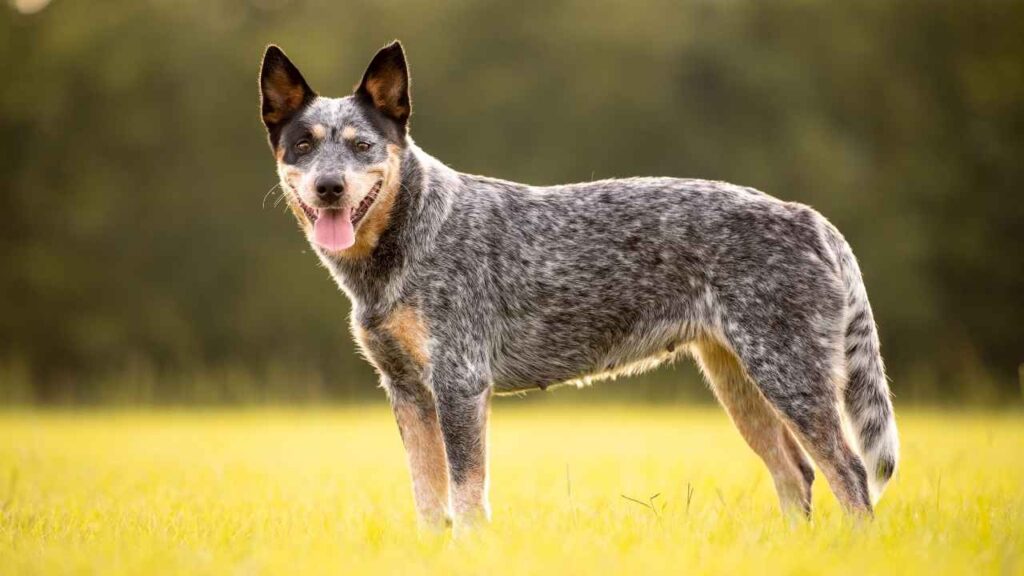
Often confused with the Australian Cattle Dog, the Australian Stumpy Tail Cattle Dog is a distinct breed with its heritage. They were developed alongside the Australian Cattle Dog but maintained separate breeding lines, resulting in a naturally bob-tailed dog with a slightly different appearance and temperament.
As their name suggests, these dogs are born with naturally short (stumpy) tails – a genetic trait rather than the result of docked tails. They’re known for their incredible hardiness and ability to work tirelessly in extreme conditions.
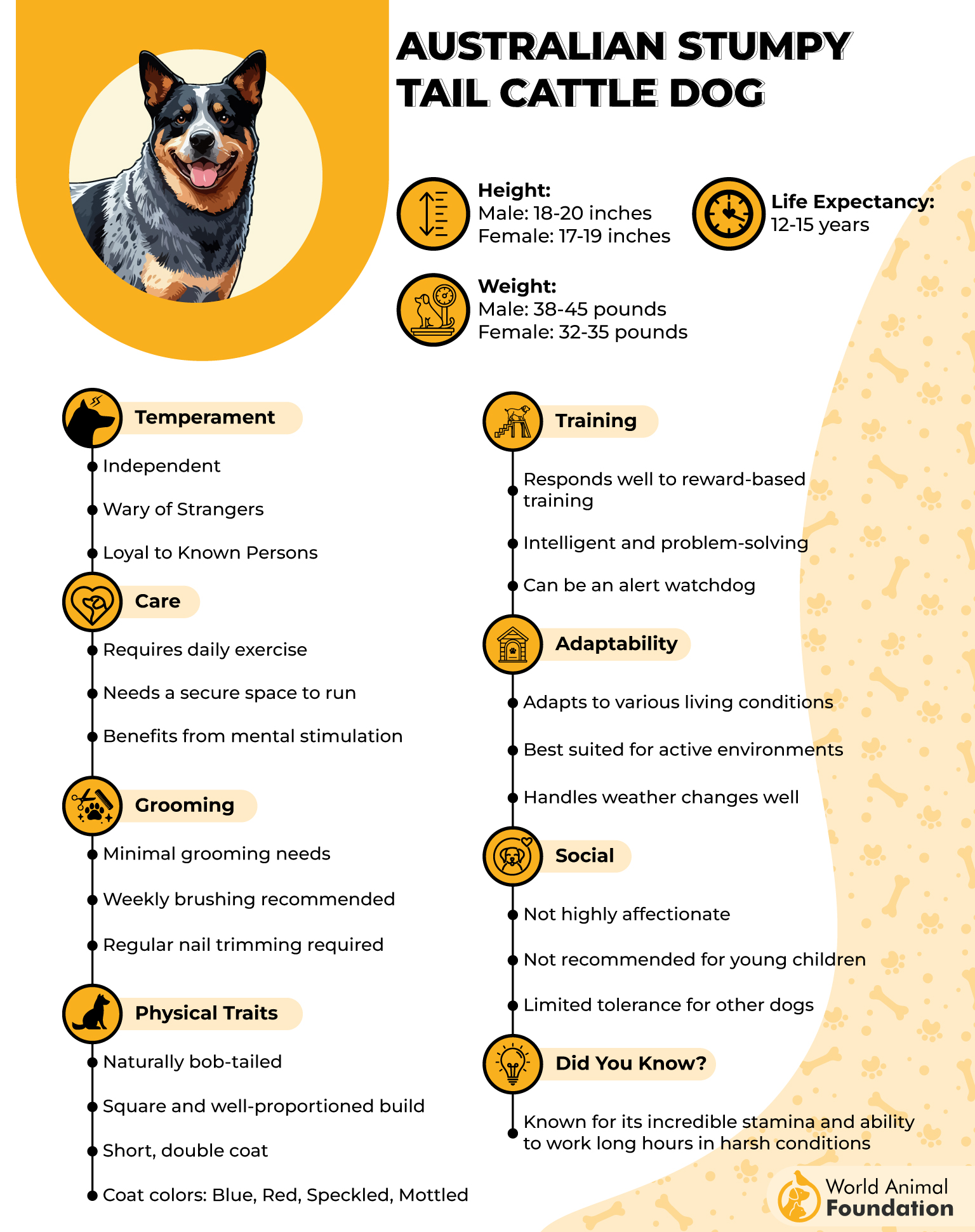
Stumpy Tail Cattle Dogs have a strong prey drive and they require consistent training from an early age. Early socialization helps them distinguish between appropriate and inappropriate herding behaviors, especially around children.
Like their Australian Cattle Dog cousins, Stumpies can be prone to deafness and hip dysplasia. Some lines may also experience eye problems or progressive retinal atrophy.
For owners looking for a protective, loyal nature companion with a strong work ethic, the Australian Stumpy Tail Cattle Dog fits the bill. They’re excellent with active, outdoor-oriented families but may not be suited to apartment living or sedentary households.
5. Tenterfield Terrier
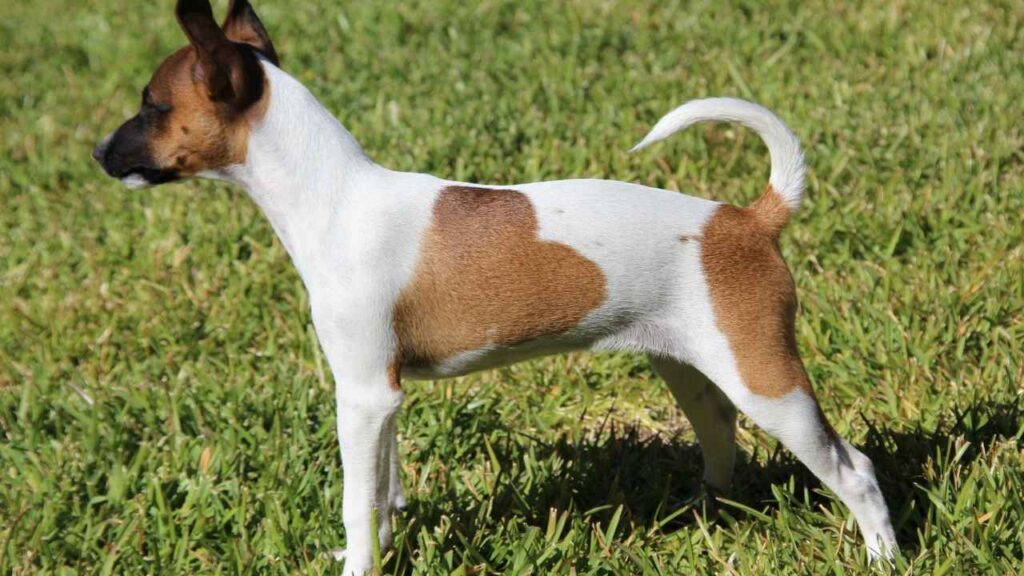
Named after the town of Tenterfield in New South Wales, these small terriers descended from the miniature fox terrier brought to Australia by early British settlers. They were developed to hunt rats and other vermin in Australian settlements.
Despite their small size (usually under 11 inches tall), these dogs have big personalities and were historically known as “Miniature Fox Terriers” before gaining recognition as a distinct Australian dog breed.
Like most terriers, Tenterfield Terriers are intelligent but can be stubborn. Consistent, positive training methods work best, and early socialization helps temper their natural high prey drive and terrier tenacity.
Their short smooth coat requires minimal maintenance – occasional brushing is usually sufficient to keep them looking their best.
Tenterfield Terriers are generally healthy dogs, though, like many small breeds, they can be prone to patellar luxation and dental issues. Their fine bones require careful handling, especially with young children.
These affectionate little dogs make wonderful family companions. Their small size makes them adaptable to various living situations, from apartment living to farms, and their playful nature makes them great playmates for respectful children.
6. Australian Kelpie
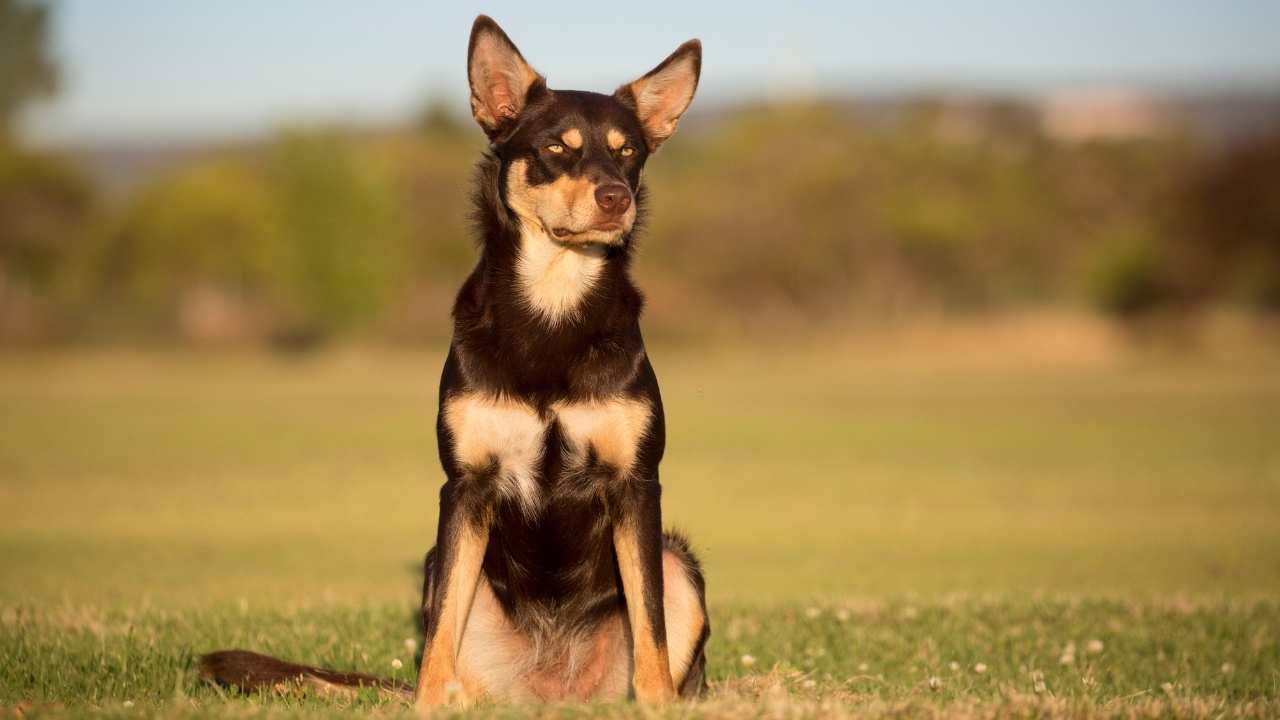
Developed in the late 19th century from Scottish Collie types, the Australian Kelpie was bred specifically for the unique challenges of herding livestock across Australia’s vast stations. Australian Kelpie excels at herding sheep and cattle.
According to PetMD, Australian Kelpies are renowned for their incredible work ethic and intelligence. These dogs have been known to work effectively in temperatures exceeding 40°C (104°F) and can cover enormous distances during a day’s work. There’s even a famous Australian statue dedicated to the Australian Kelpie called “The Dog on the Tuckerbox.”
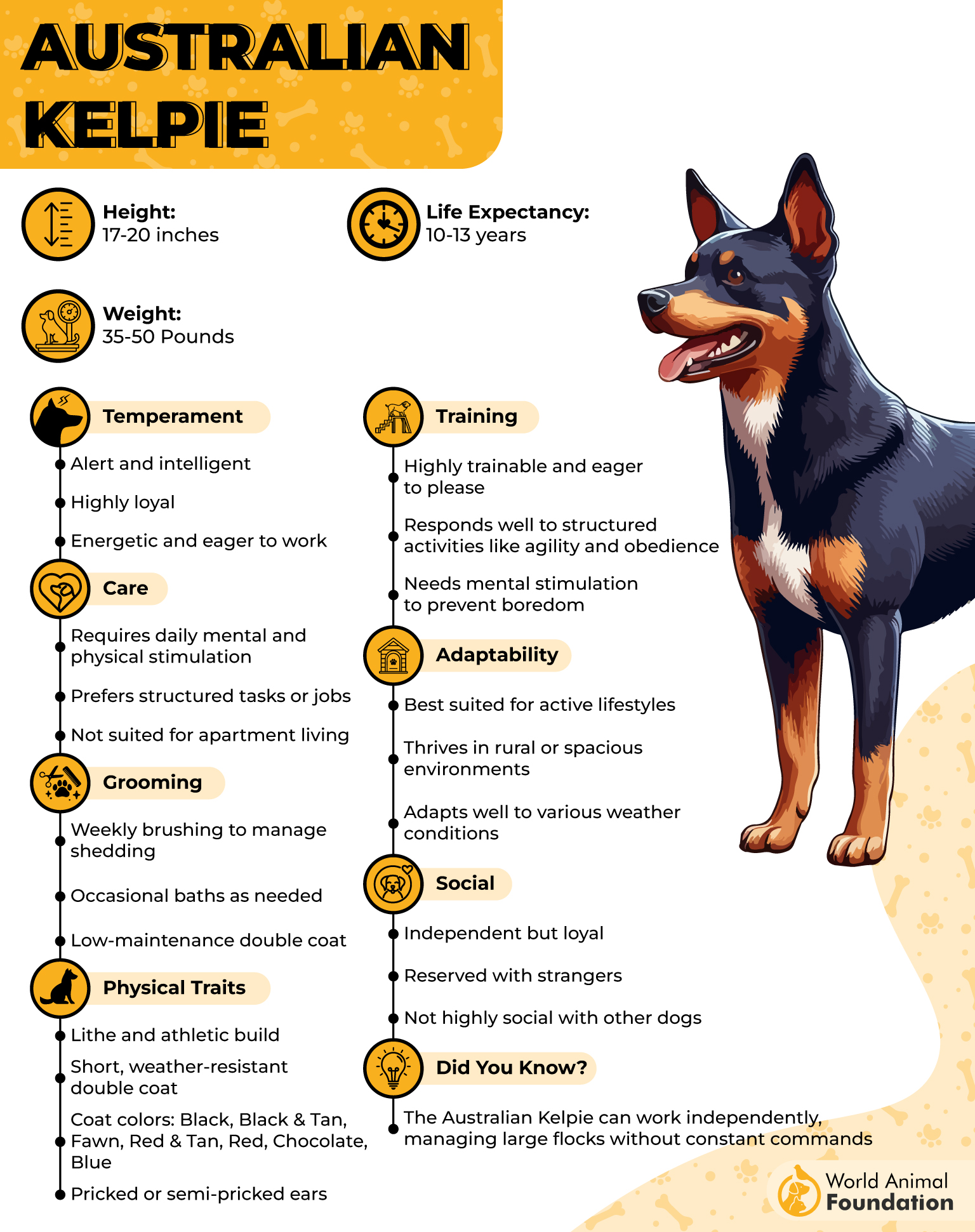
With their exceptional intelligence, Australian Kelpies learn quickly but require consistent boundaries. They excel at complex tasks and dog sports but can become bored and destructive without adequate mental stimulation.
Their short to medium double coat is fairly low maintenance, requiring just weekly regular brushing in normal conditions and more frequent attention during seasonal shedding periods.
Generally healthy, Australian Kelpies can occasionally suffer from hip dysplasia, progressive retinal atrophy, and cerebellar abiotrophy (a neurological condition). Most live long, healthy lives of 12-15 years.
For active families who enjoy hiking, running, and outdoor activities, the Australian Kelpie makes an enthusiastic companion. They’re typically good with children when properly socialized, though their herding instincts may need management around toddlers.
7. Bull Arab

One of Australia’s more recent breed developments, the Bull Arab was created in the 1970s by crossing Bull Terriers, Greyhounds, and German Shorthaired Pointers. They were specifically bred for hunting feral pigs in Queensland’s rugged bush country, earning them the nickname “Australian pig dog.”
These powerful dogs combine the muscular breed strength of the Bull Terrier, the speed of the Greyhound, and the scenting ability of the Pointer. They’re known for their impressive athleticism and can reach speeds of up to 40 mph in short bursts.
Bull Arabs require firm, consistent training from an early age to channel their strong hunting instincts appropriately. Early socialization is essential, especially with other pets and livestock.
Their short coat is easy to maintain with occasional brushing. They may need more frequent baths than some other breeds if they’re actively used as hunting dogs, as they tend to find mud and muck on the coat.
Generally healthy, Bull Arabs can occasionally suffer from hip dysplasia and skin issues. Their deep chest also makes them somewhat prone to bloat, a potentially life-threatening condition.
For active, experienced owners, the Bull Arab can make a loyal and protective family companion. They typically form strong bonds with their families but may not be suitable for households with small pets due to their high prey drive.
Conclusion
Australian dog breeds offer a fascinating array of characteristics that reflect their development in one of the world’s most challenging environments. From the tireless work ethic of the Australian Kelpie to the spirited companionship of the Tenterfield Terrier, these breeds showcase the remarkable adaptability and usefulness of dogs in Australian life.
When considering adding an Australian dog breed to the family, take time to research thoroughly and honestly assess whether the lifestyle and environment can provide what these unique dogs need to thrive. Many Australian breeds have high energy levels and strong working instincts that require appropriate outlets.
From the tireless work ethic of the Australian Kelpie to the spirited companionship of the Tenterfield Terrier, these large breed dogs showcase the remarkable adaptability and usefulness of dogs in Australian life.
Ultimately you would love to choose one of these loving pups with your family.