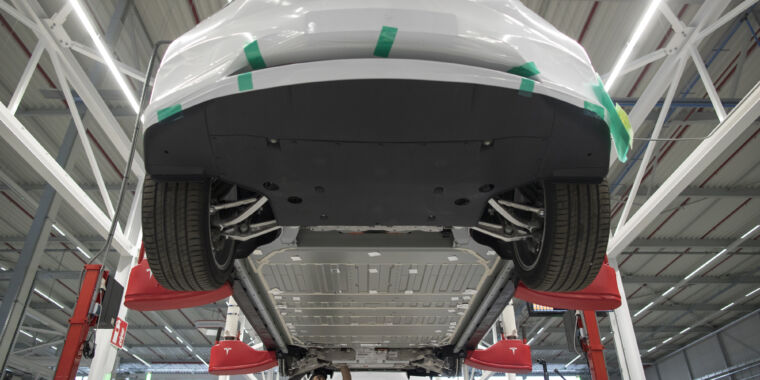
EV battery replacement cost
How much does an EV battery replacement cost? As electric vehicles continue to grow in popularity and become a central part of the global shift toward sustainable transportation, this question has become increasingly important for prospective buyers and current EV owners alike. The EV battery is the heart of an electric vehicle, responsible for storing and delivering the power that drives the motor and supporting overall vehicle performance. Because it represents a large portion of an EV’s total value, understanding potential replacement costs is essential for long-term planning. While many drivers may assume replacing a battery is inevitable within a short period, modern EV battery technology has proven to be much more durable than early expectations suggested. Most EV batteries are designed to last well over a decade, but eventually, replacement or significant refurbishment may be needed depending on usage patterns, climate conditions, and natural aging.
The cost of replacing an EV battery can vary widely depending on the make and model of the vehicle, the capacity of the battery pack, and whether the replacement is new, refurbished, or upgraded. Currently, replacement costs can range from approximately $4,000 for smaller battery packs to more than $20,000 for high-capacity long-range EVs. Luxury vehicles and models with advanced high-density batteries may cost even more due to complex engineering and specialized components. For example, widely available estimates show that some mainstream electric cars may fall near the lower end of the scale, while larger long-range EVs with 100 kWh or more can reach the upper price range. These numbers continue to evolve as manufacturing processes improve and the scale of global battery production expands, steadily reducing per-kilowatt-hour costs across the industry.
One of the most significant factors influencing EV battery replacement cost is advancements in technology and production efficiency. Over the last decade, the cost of battery cell manufacturing has dropped dramatically due to improved chemistry, increased mining output, and advances in battery pack design. As gigafactories and vertically integrated supply chains expand, costs are expected to continue declining. This trend mirrors the overall trajectory of the clean energy sector, where renewable technologies grow more affordable with increased adoption and improved manufacturing. Future solutions such as solid-state batteries and silicon-based anodes may not only offer longer lifespan and faster charging but also further reduce replacement expenses over time. For many EV owners, by the time a replacement becomes necessary, prices may be substantially lower than those currently quoted.

How much does an EV battery replacement cost?
Another important factor affecting price is warranty coverage. Most automakers offer extensive EV battery warranties, typically lasting eight years or 100,000 to 150,000 miles, ensuring protection against unexpected failure during the most active period of ownership. In many cases, an EV battery replacement under warranty may be fully or partially covered if its capacity drops below a specific threshold, such as 70% of its original range. This provides reassurance for drivers concerned about long-term maintenance expenses. Even after warranty expiration, many batteries retain strong usability because degradation is gradual, not sudden. Instead of a full replacement, some drivers opt for reconditioning or module-by-module repair, a process that can significantly reduce the total cost compared to replacing the entire pack.
Second-life and recycled battery markets are also reshaping the economics of EV battery replacement. As end-of-life batteries are repurposed for stationary energy storage applications—such as home backup power, commercial grid support, and renewable energy storage—value is retained rather than wasted. This creates a supply of refurbished batteries that may be suitable for replacement at lower price points. At the same time, recycling innovations allow valuable materials including lithium, nickel, cobalt, and copper to be recovered efficiently and reintroduced into production, reducing reliance on raw material extraction and lowering costs industry-wide. These developments support a more sustainable lifecycle and contribute to making electric mobility more cost-efficient in the long term.
EV Charging Magazine is a dedicated online publication covering the latest news and developments in the electric vehicle charging industry, the broader EV landscape, and cutting-edge battery technology, as well as the clean energy sector. Launched in 2020, the website quickly established itself as a go-to resource for anyone looking to stay up-to-date on the latest advancements in this rapidly evolving field. We aim to provide our readers with in-depth insights and timely updates on the innovations shaping the future of sustainable transportation. As the transition to EVs accelerates and technology evolves, the question of how much an EV battery replacement costs becomes easier to answer with confidence. The trend toward affordability, combined with strong warranties, improved durability, and circular design principles, demonstrates that electric vehicles continue to move toward becoming not only environmentally beneficial but also economically practical for drivers worldwide.