Modern organizations rely heavily on desktop-based software to manage operations, process sensitive information, and connect with enterprise systems. A thick client application penetration test is a specialized security evaluation designed to identify weaknesses in locally installed applications. Unlike browser-based software testing, this assessment focuses on executable files, local storage, registry settings, and system-level interactions. Security professionals simulate real-world attacks to determine whether attackers can exploit flaws within the client application environment and compromise valuable business data.
Why Businesses Need Thick Client Security Testing
Desktop applications often process confidential customer records, payment information, and internal corporate data. Because these applications run directly on user devices, they can expose vulnerabilities that traditional web testing may overlook. A thick client application penetration test helps organizations discover insecure configurations, weak authentication methods, and poor encryption practices before malicious actors exploit them. This testing approach also evaluates how applications communicate with servers and whether sensitive information can be intercepted, manipulated, or extracted during runtime execution.
Key Components Examined During the Assessment
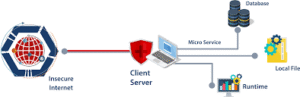
Security testers inspect multiple layers of the application during the engagement. The process commonly includes analyzing executable binaries, registry entries, local databases, configuration files, and memory handling processes. Experts also examine API requests, DLL dependencies, and file permissions to uncover hidden vulnerabilities. A properly conducted thick client application penetration test identifies issues such as insecure data storage, code injection flaws, privilege escalation opportunities, and unauthorized access risks. These findings help organizations strengthen their software security posture significantly.
Difference Between Thick Client and Web Application Testing
Although both assessments aim to uncover security weaknesses, the methodologies differ greatly. Web penetration testing mainly targets browser-based vulnerabilities, while desktop application testing focuses on software installed directly on operating systems. A thick client application penetration test often involves reverse engineering binaries, debugging application processes, and manipulating runtime memory. Security professionals may also analyze local communication protocols and DLL loading behavior to determine whether attackers can hijack or tamper with application execution on a compromised workstation.
Common Vulnerabilities Found in Thick Client Applications
Many desktop applications contain security flaws caused by insecure coding practices or outdated software components. Testers frequently identify weak credential storage mechanisms, insecure local caching, hardcoded secrets, and insufficient access controls. Attackers may exploit these issues to bypass authentication or gain unauthorized system privileges. During a thick client application penetration test, consultants also check for insecure encryption algorithms, session management flaws, and vulnerabilities linked to unprotected communication channels between the application and backend infrastructure systems.
How Professional Security Consultants Perform the Test
The assessment process generally begins with application mapping and information gathering. Security specialists use debugging tools, traffic analyzers, decompilers, and memory inspection techniques to evaluate application behavior thoroughly. They attempt to exploit discovered vulnerabilities in controlled environments to measure real-world impact. Firms such as swarmnetics.com provide experienced consultants with advanced expertise in desktop application security testing. Their teams often include certified professionals capable of performing comprehensive vulnerability assessments while following industry-recognized security methodologies and compliance standards.
Benefits of Conducting Regular Thick Client Assessments
Routine security testing reduces the likelihood of data breaches, operational disruptions, and financial losses caused by exploited software vulnerabilities. Organizations that perform regular assessments improve compliance readiness and demonstrate a proactive commitment to cybersecurity. A well-executed thick client application penetration test also helps development teams understand weaknesses within the application lifecycle and implement stronger defensive controls. As cyber threats continue evolving, businesses that secure their desktop applications gain greater resilience against targeted attacks and sophisticated exploitation techniques.
Final Thoughts on Thick Client Application Security
Desktop software remains an essential part of many enterprise environments, making strong security testing increasingly important. A comprehensive assessment helps organizations uncover hidden weaknesses that standard security scans may fail to detect. By investing in a reliable thick client application penetration test, businesses can strengthen application integrity, protect sensitive information, and reduce exposure to cyber risks. Security-focused organizations that prioritize regular testing are better prepared to defend against evolving attack methods targeting locally installed enterprise applications.