WorldAnimalFoundation.org is reader-supported. When you buy through links on our site, we may earn an affiliate commission. Learn More
In recent years, more and more people have been bringing dogs into their homes, with dog ownership jumping to 65% in 2024, according to APPA. With so many breeds and crossbreeds available, choosing your family’s next furry member takes some thought.
One important factor to consider is whether you need a dog that can also guard your home. Some dogs are natural protectors, excelling in guarding due to their alertness, courage, and territorial instincts, making them both loving companions and reliable defenders.
On the other hand, some breeds simply don’t fit the guard dog role well, lacking the necessary traits to watch over a home effectively.
While there are exceptions, this list highlights the 10 breeds you might want to consider—or avoid—if you’re looking for a dog to help keep your home safe.
5 Best Guard Dogs
Most dogs, big or small, will bark or become alert if they sense an intruder – making them natural alarm systems. Some breeds stand out as excellent guard dogs because of their physical strength, loyalty, courage, and ability to handle tough situations. Here, we introduce you to the 5 best guard dogs.
1. American Pitbull Terrier
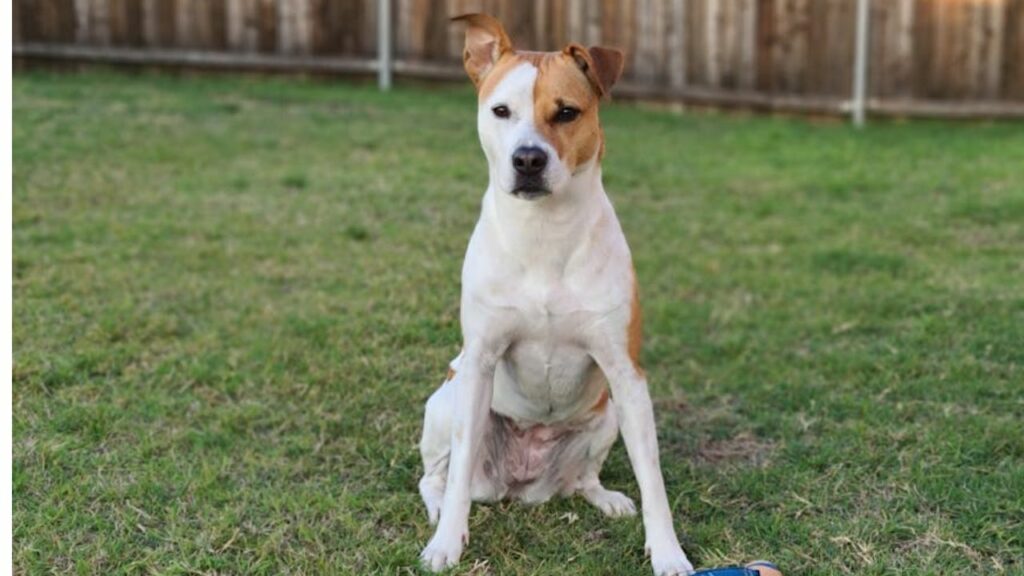
The American Staffordshire Terrier, often referred to as an AmStaff and one of several breeds commonly known as pit bulls, is known for its affectionate, playful, and energetic nature. When you adopt a Pit Bull, you gain a lifelong companion who is loyal through thick and thin. These dogs are not only full of personality but also thrive on mental stimulation and require plenty of exercise.
AmStaffs are serious and alert, naturally inclined to guard and protect their loved ones. They are extremely muscular, even more so than many other breeds in the guard dog category, which enhances their ability to provide protection. This physical strength, combined with their stamina and agility, makes them intimidating to potential intruders.
However, because of their history as fighting dogs and their strong prey drive, AmStaffs require thorough training and socialization, particularly if they are to live with children or other pets.
Pit Bulls are eager to please their owners and thrive on praise and attention. This deep devotion to humans is a double-edged sword; while it forms the basis of their strong connection with their families, it has also contributed to the breed’s negative reputation. In the wrong hands, a Pit Bull’s eagerness to please can be manipulated, leading to misuse for criminal activities.
2. Beauceron

The Beauceron, a breed with a formidable presence, was bred in France during the Middle Ages primarily for its stamina and intelligence, tasked with herding and guarding sheep. Despite their size, which ranks them as the largest among French sheepdogs, their appearance belies their substantial capabilities.
Orvis notes that Beaucerons are naturally cautious around strangers and unfamiliar dogs, always ready to protect their flock and family. While they might appear intimidating in public settings, they are known to be sensitive, playful, and gentle when at ease among familiar faces.
With a calm and confident demeanor, coupled with a fearless nature, Beaucerons excel as guard dogs. However, they do require firm and consistent training to prevent them from becoming too dominant over their owners. They respond to strangers with a ferocious bark and will not hesitate to position themselves between their owners and potential threats.
Beaucerons are self-assured and strong-willed, which can sometimes make training challenging. They are highly intelligent and learn quickly under the guidance of confident trainers who maintain a firm, consistent, and fair approach. As a highly energetic breed, Beaucerons need a significant commitment to both mental and physical stimulation to ensure they display their best behavior.
3. Rhodesian Ridgeback
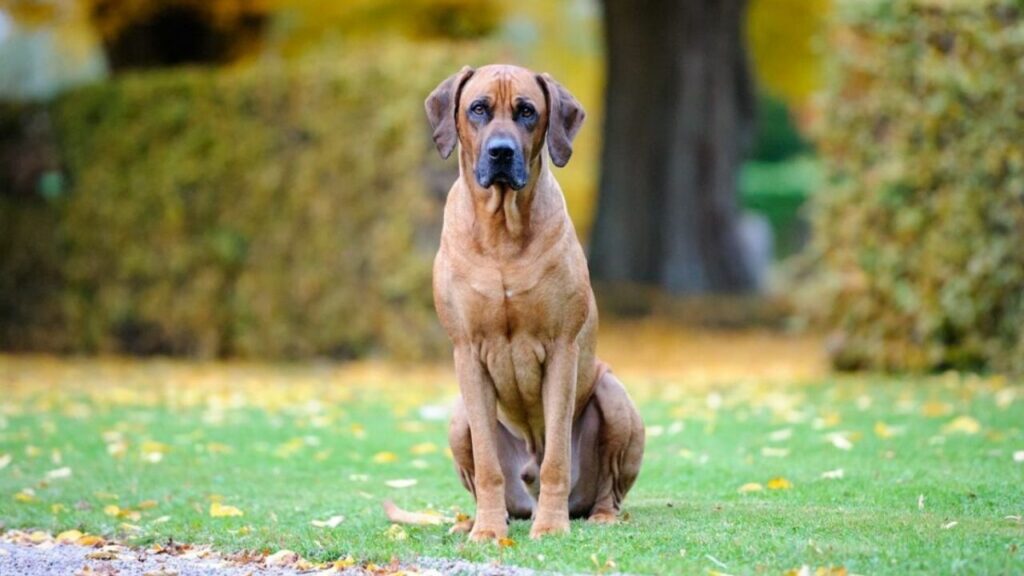
The Rhodesian Ridgeback gets its name from the unique strip of fur that grows in the opposite direction to the rest of its coat, forming a ridge along its spine. This alert breed was originally developed to hunt lions, making it more than capable of handling other potential threats. However, Ridgebacks can be stubborn and assertive, and like all guard dogs, they require proper training.
Despite sometimes seeming like a big, lazy hound, the Rhodesian Ridgeback can be quite intimidating. Bred both for hunting and family protection, this breed tends to be aloof with strangers. Early socialization is crucial to prevent aggressive and territorial behaviors.
Rhodesian Ridgebacks are known for their loyalty, independence, and intelligence. They form strong bonds with their owners but are also capable of independent thought, particularly when solving problems.
Within the family, Ridgebacks are affectionate, patient, and friendly, but they need to be properly trained on how to interact with children to ensure safe and harmonious relationships.
4. Akita
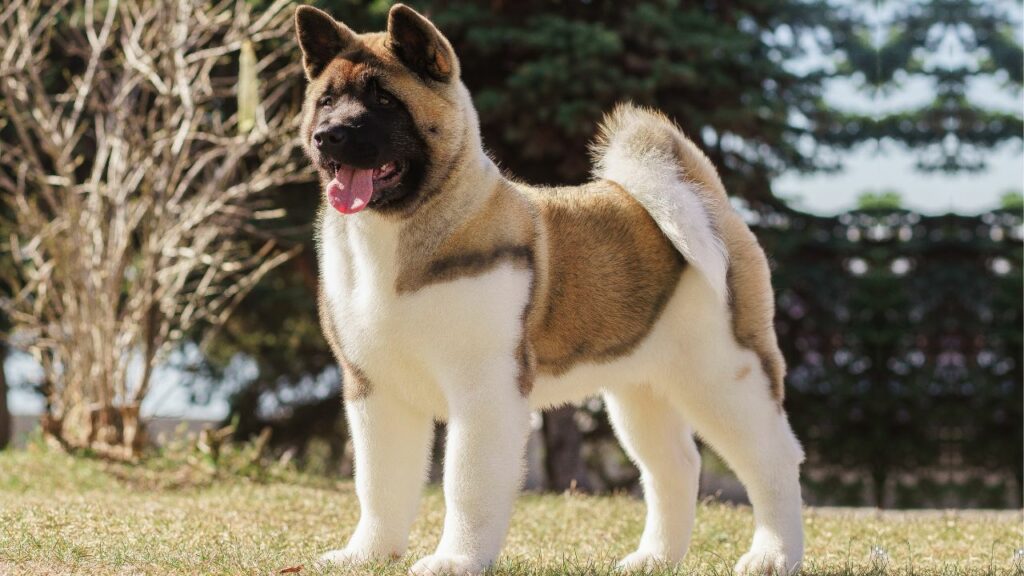
The Akita is a robust, curly-tailed dog from the Japanese mountains, celebrated in its homeland as a symbol of health and longevity. Historically, Akitas served as guards for the Japanese emperor and his family, thanks to their fierce protectiveness.
Known for their alert and intelligent nature, Akitas are powerful guard dogs. They tend to be wary of strangers, guests, and other pets, driven by a deep love and loyalty to their family.
Akitas pose certain challenges, especially for first-time dog owners. They form strong bonds with their families, but their independent spirit and distrust of unfamiliar people and animals can be demanding.
Extensive exposure to friendly people is essential for Akitas to learn to distinguish normal behavior from potentially threatening actions. Without proper socialization, they may grow suspicious of everyone.
Once they are well-adjusted, Akitas become social, playful, and even silly with their owners. They generally only bark for a good reason.
5. Rottweiler

Rottweilers, affectionately known as “Rotties,” can be sweet and playful with their families, to whom they are deeply protective. To outsiders, however, they may seem reserved. This breed descends from ancient mastiffs and was nearly extinct by the late 1800s.
Today, Rottweilers are recognized as quintessential guard dogs. They are strong, fearless, and have an intimidating appearance, paired with the intelligence to assess and respond appropriately to threats. Rotties are capable of playing the intimidation card effectively, supported by their powerful bite.
Rottweilers are confident and versatile working dogs, excelling in roles like herding and protection. Their strong work ethic and assertive nature often make them more suitable for experienced dog owners.
Given their potential to inflict serious harm, it is crucial that Rottweilers receive early socialization and training. This helps them understand the appropriate times to display aggression and can prevent excessive barking.
5 Worst Guard Dog
Some dog breeds are great at alerting you when they sense danger, while others are not so good at it. In fact, some dogs are more likely to greet a stranger with licks instead of barks. If you’re looking for a quieter, more affectionate dog, we’ve listed below 5 breeds that make the worst guard dogs but are some of the most lovable pets you can have.
1. Cavalier King Charles Spaniel

The Cavalier King Charles Spaniel is a small British dog known for its regal and sophisticated look, but it’s also very cute. Originally, this breed was bred to keep laps warm in old, drafty castles and during cold carriage rides.
Cavaliers are among the friendliest breeds, known for lavishing affection on their families and easily getting along with other dogs, kids, cats, and even strangers—whom they see as friends they just haven’t met yet. Originally bred to be companion dogs, it’s no surprise that they also excel as therapy dogs, providing comfort and support with their naturally sociable and loving nature.
While Cavalier King Charles Spaniels are smart and fearless, they don’t make great guard dogs. They tend to see everyone as a friend, so they aren’t great at guarding. These dogs are laid-back, easy to train, and don’t need as much activity as some other breeds.
They are very affectionate, playful, and patient, making them great with everyone. Hillspet states that they’re perfect as family pets or companions for empty nesters, loving to cuddle and be close to their owners.
However, they shouldn’t be left alone for too long as they thrive on human interaction. Regular grooming is important to keep their coat shiny. Overall, Cavaliers are friendly and loving but make poor guard dogs.
2. Maltese

The Maltese dog is a great choice for first-time dog owners. These dogs are friendly, energetic, and very affectionate, making them wonderful pets. However, if you’re looking for a guard dog, the Maltese may not be the best fit.
Maltese have a long history, going back two thousand years, and they love to be around people, often trying to be everyone’s best friend.
They form close and trusting relationships with their owners, and once you bond with a Maltese, they really aim to delight you. They are eager to please and respond well to training, especially with positive reinforcement.
AKC notes that although they are not good guard dogs, Maltese are alert and can be fearless in a cute, toy-dog way. They do well in agility courses and enjoy making new friends of all ages. They are also low-shedding, tend to live long lives, and can be a bit stubborn, but they usually respond well to rewards-based training.
They have plenty of energy but don’t require long walks like some other energetic breeds. They’re perfect if you want a lively and loving companion.
3. Bichon Frise

The Bichon Frise, with its fluffy white coat and joyful personality, is the perfect lap dog but not quite cut out for guard duty. This breed is one of the friendliest you’ll meet, greeting every day with unmatched enthusiasm.
They are full of energy, playful, and very affectionate, making friends with just about everyone. The Bichon Frise is a wonderful companion for all ages, always ready for a game or a cuddle.
This breed is also good with other pets in the home, is easy to train, and is always eager to please its owners. Bichons love being around people and are more likely to seek affection from strangers than to bark at them.
Due to their small size and friendly demeanor, they are better at winning hearts than protecting homes. If a Bichon Frise tried to be a guard dog, it would probably end up making friends with an intruder, wagging its tail excitedly and looking for pets rather than protecting the house.
4. Basset Hound

Basset Hounds, with their droopy eyes and long ears, might look serious, but they’re far from it when it comes to being guard dogs. Originally bred for tracking small game like hares, rabbits, and even deer, these dogs may have a deep bark, but it’s usually for getting your attention or asking for a snack, not for scaring off intruders.
These dogs tend to see everyone as a friend and are not very protective of their territory or their people. They aren’t particularly alert at home, either.
Basset Hounds are quite laid-back, often found lounging around the house rather than keeping watch. While they have an excellent sense of smell that makes them great at tracking, they’re more likely to greet an intruder with a wagging tail, hoping for a pet, rather than chasing them away.
The idea of a Basset Hound on guard duty is more humorous than practical, as they’re simply too friendly and relaxed for the role.
5. Irish Setter

Irish Setters are first noticed for their stunning looks but are just as beloved for their lively personalities. This breed is incredibly friendly, sweet-natured, and a bit mischievous, making them fun and affectionate family members.
They are also smart and have natural hunting and tracking instincts, so don’t be surprised if your Irish Setter goes snooping around the house, perhaps into closets or drawers, looking for hidden treasures.
WebMD points out that because of their friendly nature, Irish Setters are not cut out to be guard dogs. They tend to greet everyone warmly, including strangers and are not aggressive. It’s often said that they have never met a stranger they didn’t like, making them poor choices for watchdog duties. In fact, an Irish Setter is more likely to welcome an intruder with a wagging tail and kisses than any signs of aggression.
Irish Setters are alert and intuitive, getting along well with people and other pets. They thrive on being an integral part of the family. Among the setter breeds, they are the most trainable, though they can be stubborn and may try to outsmart their owners. Consistent, clear communication is key to effectively training an Irish Setter.
Conclusion
When it comes to finding the best guard dog, breeds like the German Shepherd and Doberman Pinscher stand out due to their natural guarding instincts and effectiveness in protection. German Shepherds are known for their versatility and loyalty, making them not just good guard dog breeds but also beloved family members.
On the other hand, breeds that make the list of worst guard dogs typically lack the characteristics needed for this role. Choosing the right dog depends on understanding these traits and considering what makes a breed suited to guarding your home.