WorldAnimalFoundation.org is reader-supported. When you buy through links on our site, we may earn an affiliate commission. Learn More
Choosing the right dog for a family with young children requires careful consideration. While many dogs are friendly and adaptable, some breeds may not be the best for households with small kids. Temperament, energy level, size, and instincts significantly determine whether a dog will thrive in a child-friendly environment.
Some breeds may be too energetic and excitable, while others may be more reserved or independent, making them less tolerant of unpredictable child behavior. Additionally, certain dogs require extensive training and socialization to ensure they interact safely with children.
Understanding these characteristics is crucial for creating a safe and happy home for the dog and the family. Explore the breeds that may not be the best match for families with young children and discuss what factors make a dog more or less suitable for a child-friendly home.
Dog Breeds Not Recommended for Young Children
1. Weimaraner
The Weimaraner is a large, athletic hunting breed known for its sleek silver-gray coat and striking blue or amber eyes. Weighing between 55-90 pounds and standing 23-27 inches tall, this breed was originally bred for tracking and retrieving game. While highly intelligent and loyal, their sheer size and strength can make them challenging for households with kids.
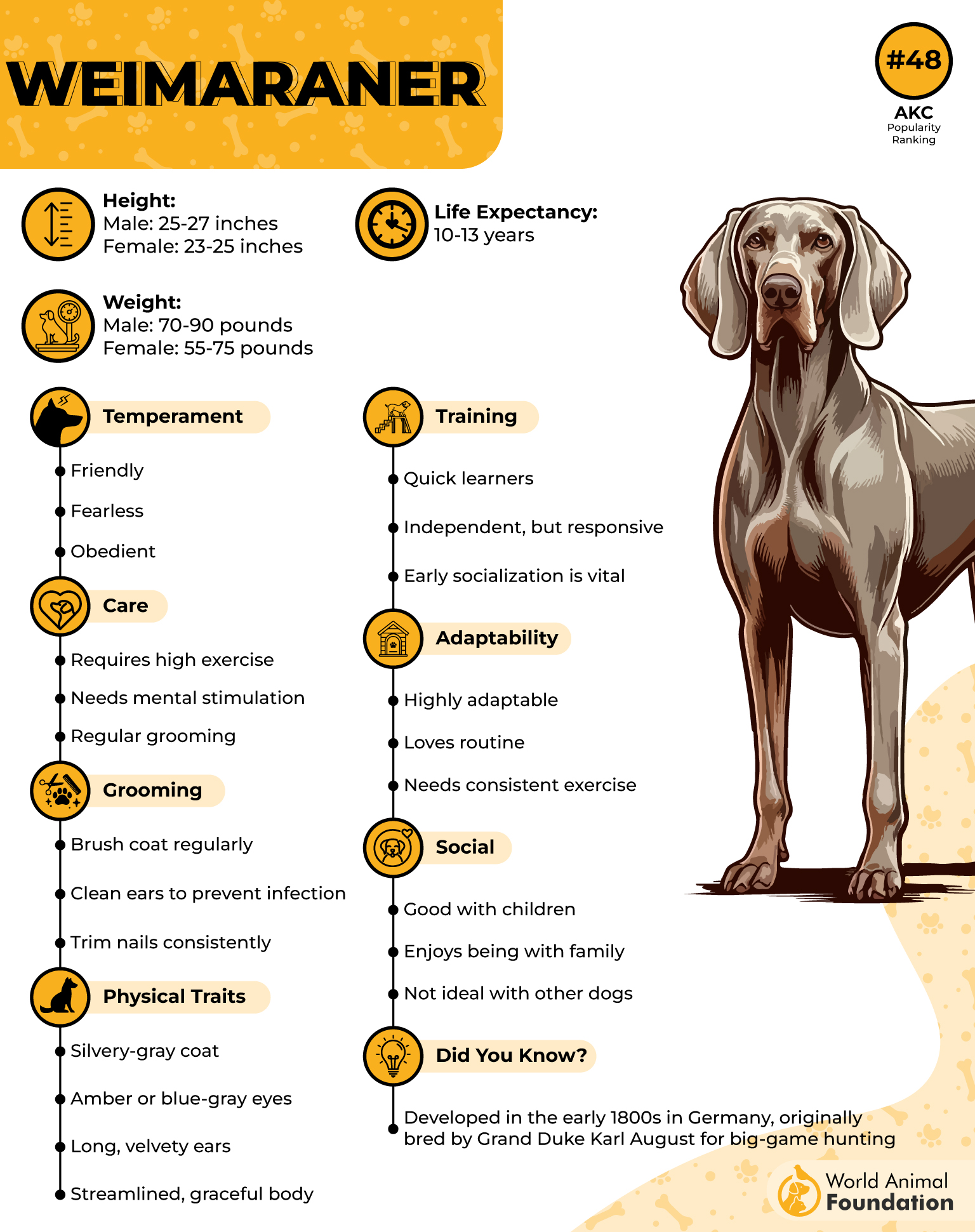
Weimaraners are bursting with energy and require intense daily exercise to stay mentally and physically satisfied. They can become restless, destructive, and difficult to manage without proper stimulation. Their boisterous nature can easily overwhelm young kids, leading to accidental knocks or rough play that may result in injuries.
Another major concern is their strong prey drive. As natural hunters, Weimaraners are instinctive to chase small, fast-moving objects—including children. This behavior can be difficult to control, requiring consistent training and supervision to prevent unintentional roughness or aggressive chasing.
Weimaraners are also known for their dominant tendencies, which can make them challenging for inexperienced owners. They may assert control over family members without firm leadership and proper training. This can lead to behavioral issues such as excessive jumping, mouthing, or disobedience, which are particularly problematic around young children.
This breed thrives in homes with experienced handlers who can provide firm training, structure, and plenty of exercise. While affectionate and deeply loyal, Weimaraners require attention and discipline that may be too demanding for busy owners.
A more easygoing breed would be better for those without the time or expertise to meet their needs.
2. Siberian Husky
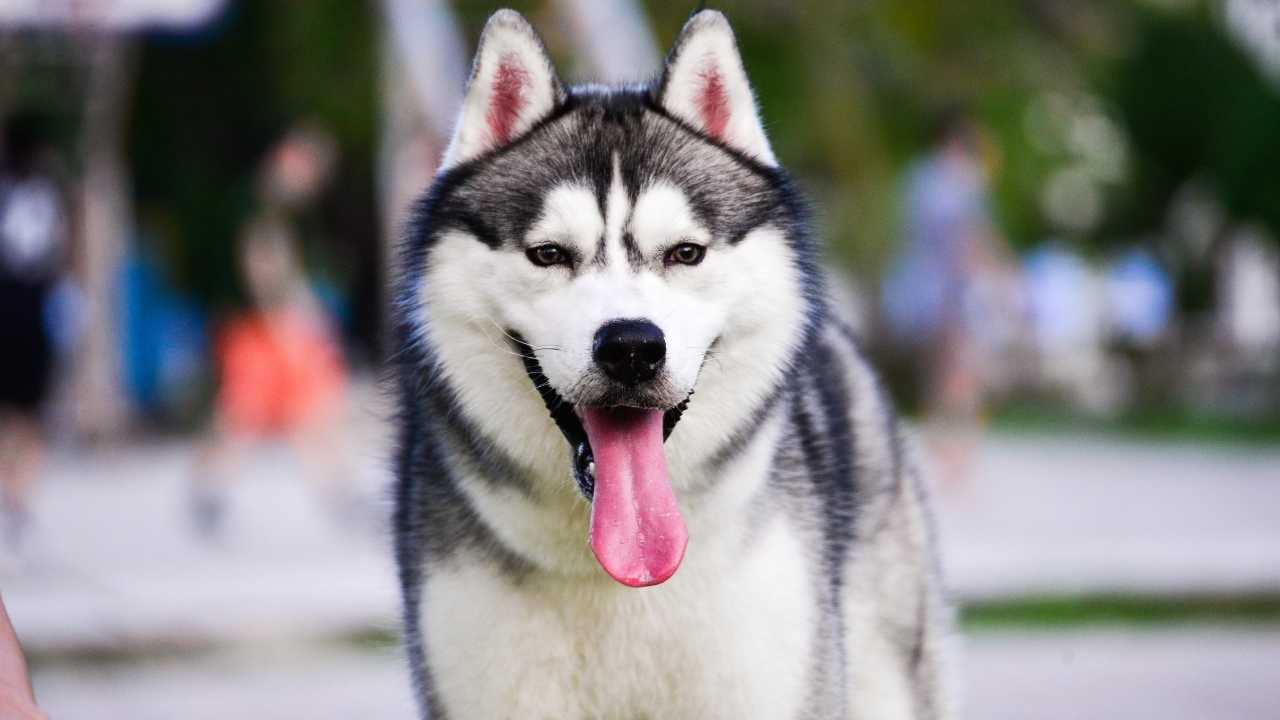
The Siberian Husky is a medium-to-large working dog known for its striking wolf-like appearance, thick double coat, and piercing blue or multicolored eyes. Weighing 35-60 pounds and standing 20-24 inches tall, Huskies were originally bred as sled dogs, making them incredibly energetic and independent.
Their large size and powerful build can be intimidating for small children and may lead to accidental injuries during play.
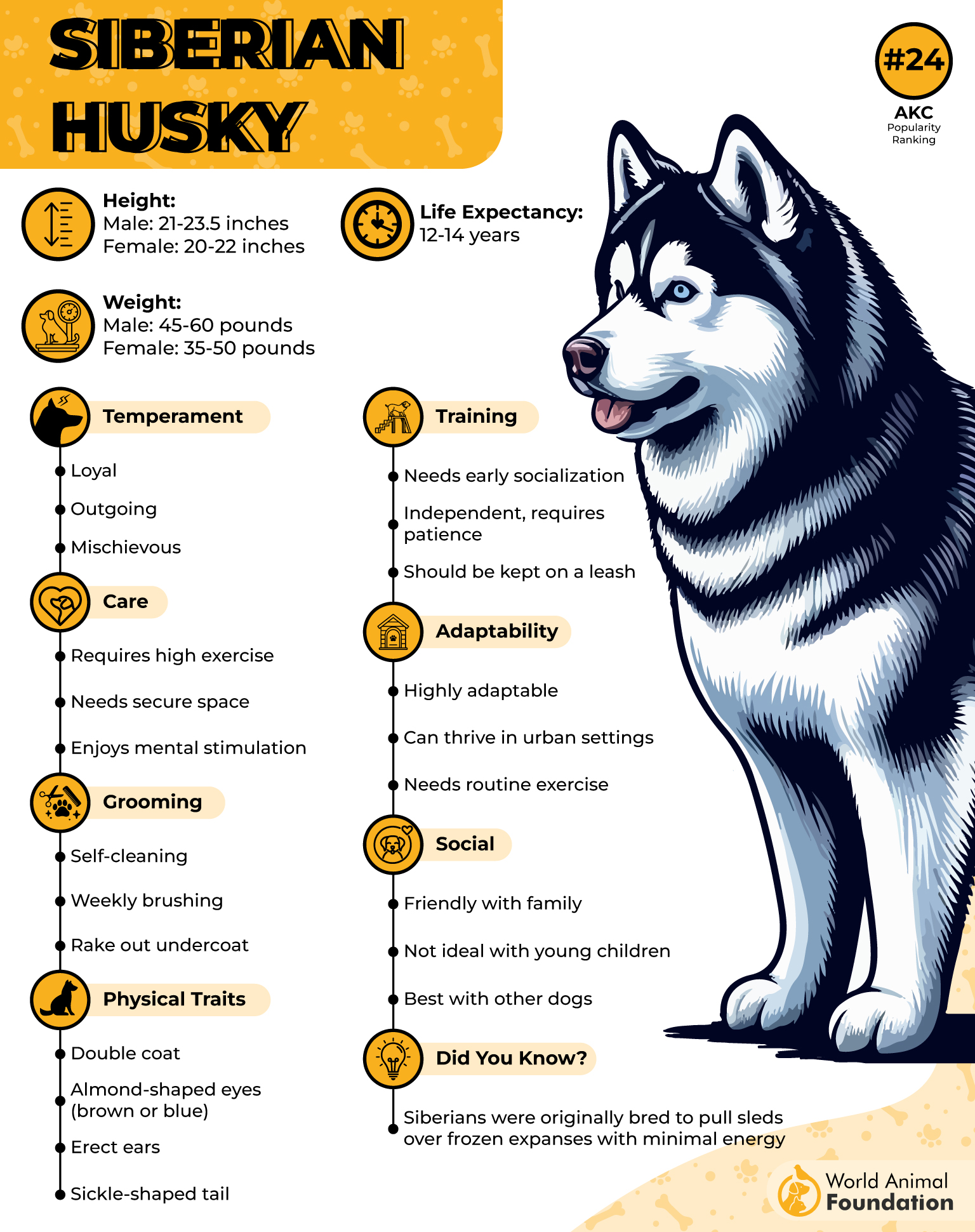
Huskies are energetic dogs that require extensive daily exercise to stay happy and well-behaved. Without enough physical and mental stimulation, they become restless, destructive, and difficult to control. Their enthusiasm for running, jumping, and roughhousing can easily knock over a small child, making them a risky choice for families with toddlers.
This breed also has a strong prey drive, meaning they tend to chase small animals, including fast-moving toddlers. Their natural instinct to run and explore can make them unpredictable around young children, particularly if they become excited or overstimulated. This can lead to nipping, jumping, or unintentional roughness that could frighten or harm a young child.
As Britannica states, Huskies are intelligent but notoriously difficult to train, often ignoring commands if they don’t feel motivated. They require an experienced handler who can provide firm, consistent training. A lack of strong leadership can lead to behavioral issues that may not be ideal in a home with small children.
Huskies are known for vocal and mischievous behavior, often howling, digging, and escaping if left unsupervised. Their strong-willed personality, large size, and boundless energy make them better suited for active, experienced owners rather than families.
3. Alaskan Malamute
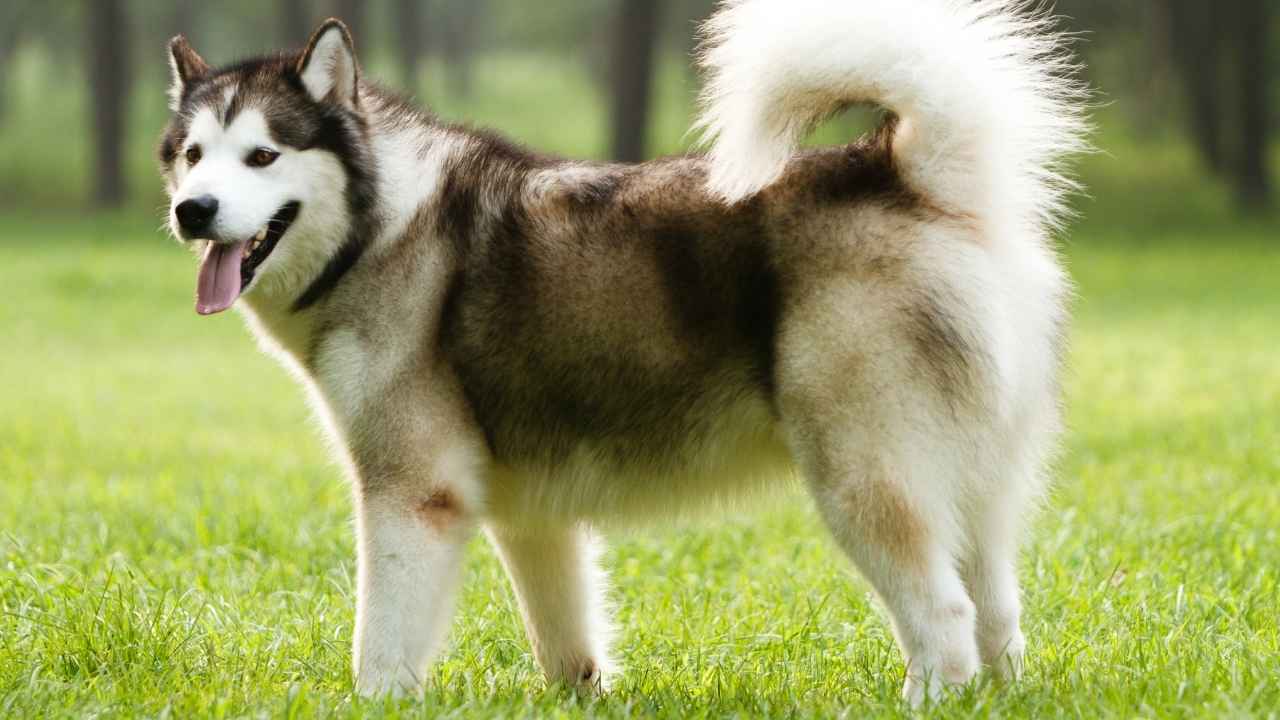
The Alaskan Malamute is a large and powerful breed, originally bred for pulling heavy sleds in harsh Arctic conditions. Weighing 75-100 pounds and standing 23-25 inches tall, these big dogs have incredible strength and stamina.
While they may tolerate children, their exuberance can be too much for kids still learning balance and coordination. Their sheer size and high energy levels can be overwhelming for very young children, so they don’t make a good family dog.

Alaskan Malamutes require intense daily exercise to stay happy and well-behaved. They can become restless, destructive, and difficult to control without proper physical and mental stimulation. Their enthusiasm for rough play, jumping, and running can easily knock over a small child, leading to unintended injuries.
Bred as herding dogs, Alaskan Malamutes have a strong prey drive and a dominant personality, which can make them unpredictable around kids. They may instinctively chase, jump on, or overpower children during play. They were bred for brute strength, which can make interactions with young kids risky.
Training an Alaskan Malamute requires patience, as they are stubborn and independent—traits often seen in guard dog breeds. They need an experienced handler who can provide strong leadership. They can become willful without firm guidance, leading to behavioral issues that make them unsuitable for families.
They can become territorial or feel threatened if handled improperly. Naturally affectionate, this breed thrives best in homes with older kids or adults who understand a dog’s temperament and can provide the needed structure.
4. Rottweiler
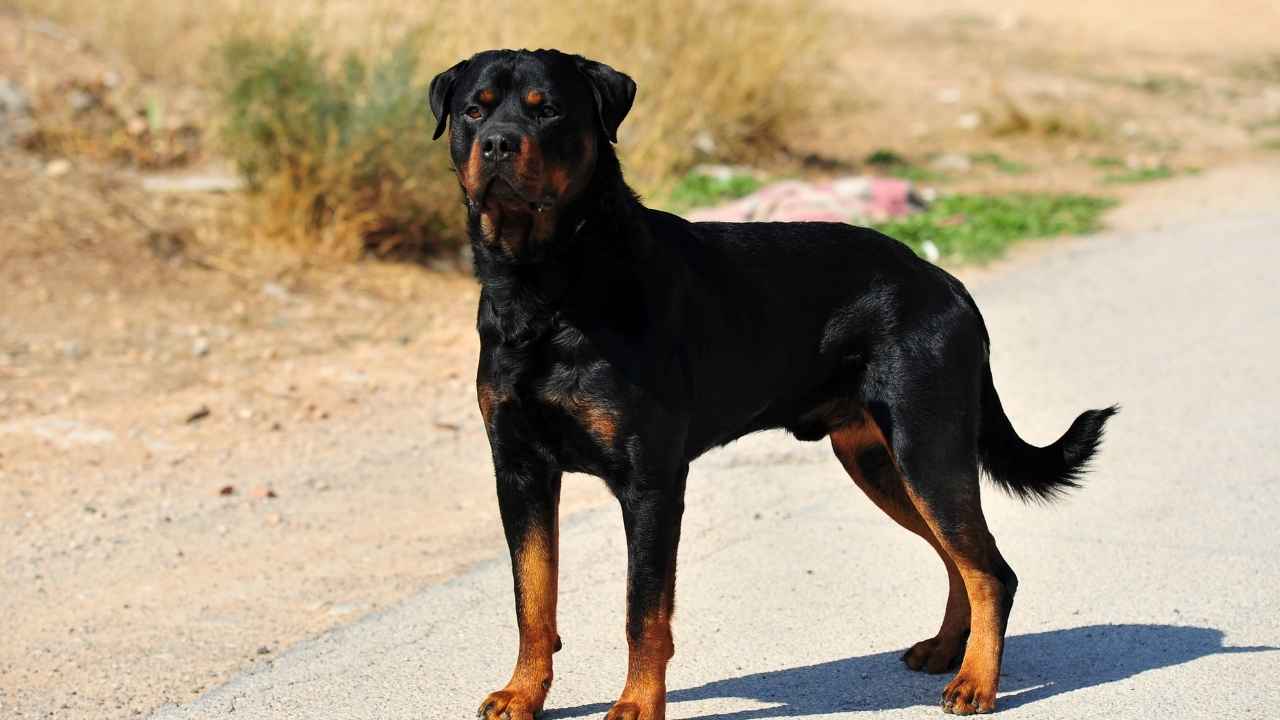
Rottweilers are a strong and muscular breed originally bred for herding livestock and guarding property. Weighing between 80-135 pounds, these powerful dogs require firm leadership and structured training. While they can be naturally good with their families, their sheer size and protective instincts can be problematic and may cause unintended injuries.
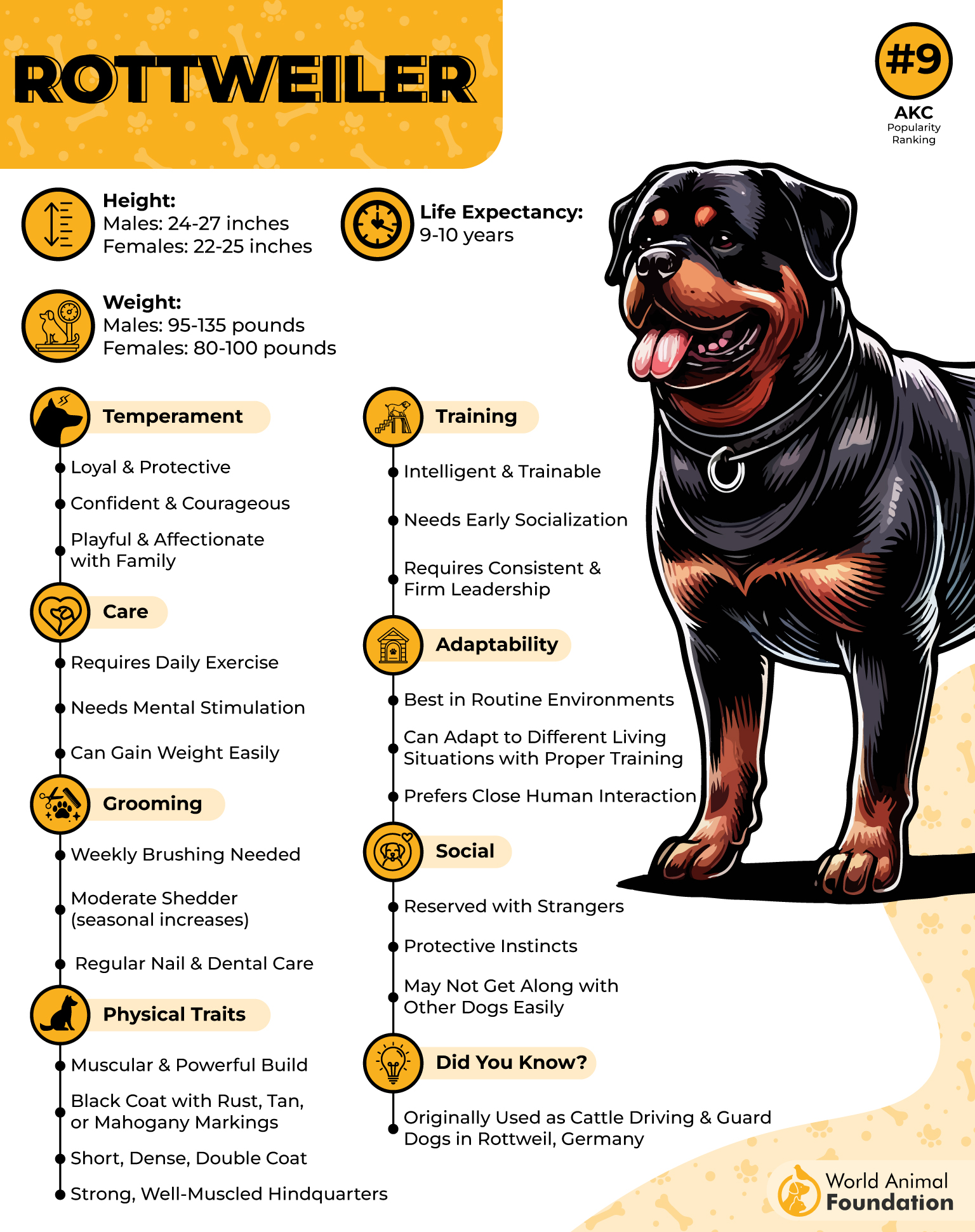
This breed has a dominant temperament and needs consistent training from an experienced owner. Rottweilers may use their strength in too rough ways for small kids. Their protective nature can also lead to territorial behavior, which may cause issues around unfamiliar people and kids.
While Rottweilers are highly intelligent and trainable, they require strong guidance. Without proper training, they can develop unwanted behaviors such as overprotectiveness or stubbornness. These traits make them better suited for families with older children who can interact with them in a structured and respectful way.
Due to their natural guarding instincts, Rottweilers can sometimes react defensively if startled or uncomfortable in an unpredictable environment. Very young kids may unknowingly provoke a reaction by pulling on their ears, making sudden movements, or invading the dog’s space. This makes early training and supervision essential for a safe household.
Rottweilers are deeply loyal and protective. However, their strength, guarding instincts, and need for firm training make them more suitable for experienced owners who can provide structure, boundaries, and plenty of socialization.
5. Australian Shepherd
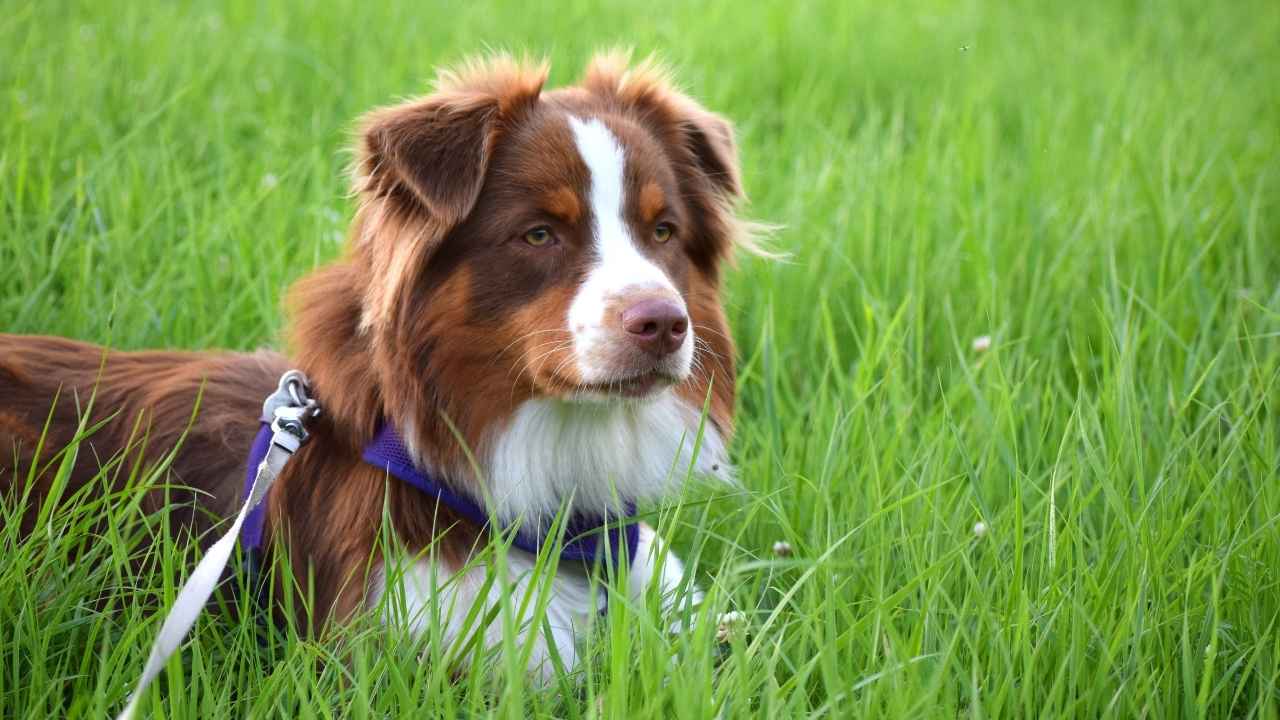
Australian Shepherds are medium-sized, intelligent, and hardworking dogs originally bred in the United States to herd livestock. Despite their name, they were refined in America and became popular among ranchers for their agility, endurance, and strong work ethic.
Weighing 40-65 pounds and standing 18-23 inches tall, these energetic dogs are built for demanding physical tasks, making them less suited for families with small children who may struggle to manage their high activity levels.
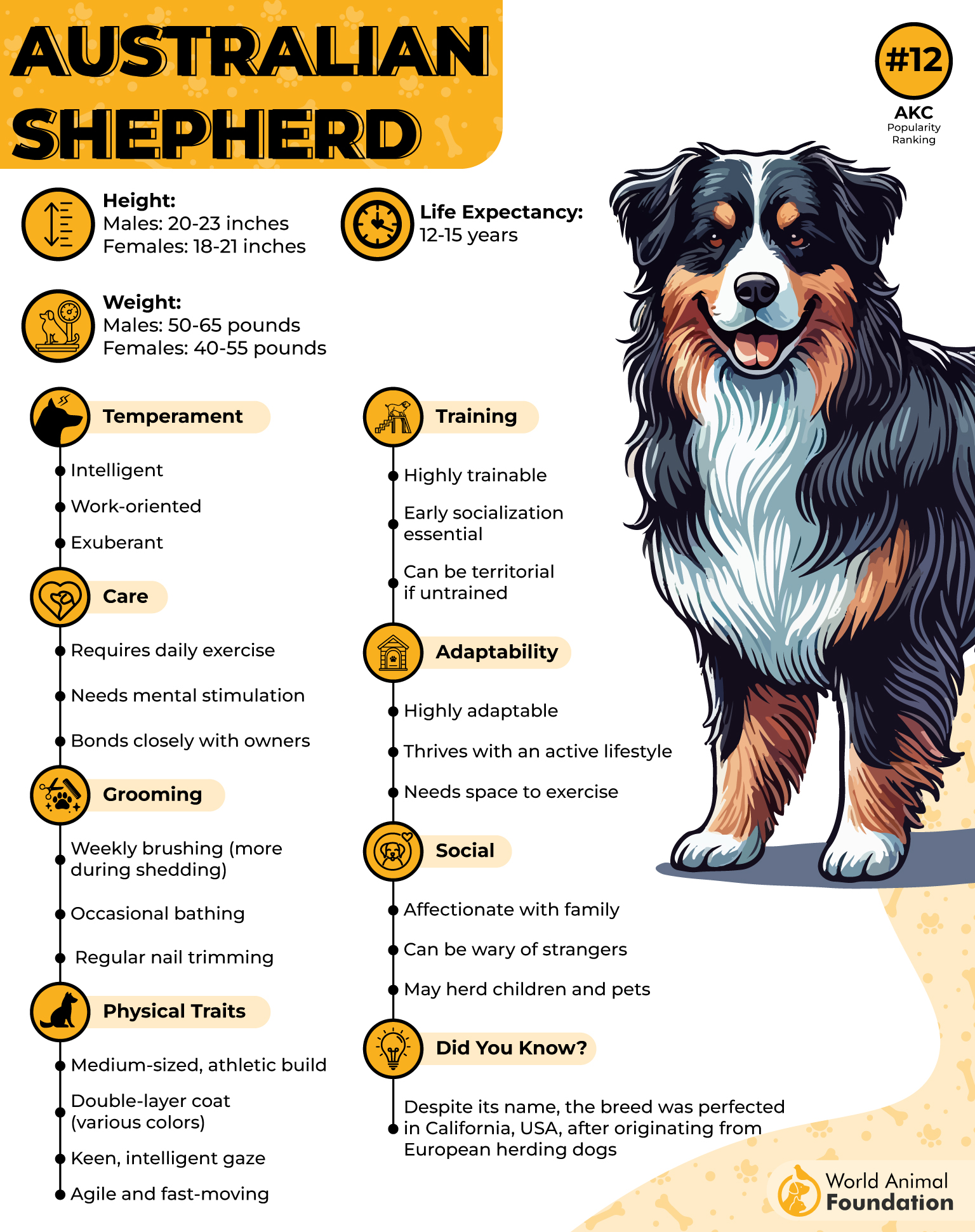
Australian Shepherds have strong herding instincts and a natural drive to chase and nip, which may unintentionally hurt a child during play. They often attempt to control running or noisy children by circling, nudging, or nipping—behaviors that, while not aggressive, can be overwhelming for toddlers who don’t know how to react.
These dogs require more control than the average family pet, as their high energy levels demand constant mental and physical stimulation. They can become restless, destructive or develop unwanted behavioral issues without enough exercise.
Early socialization and training ensure that they interact well with other dogs and people. They can become territorial or overly excitable without proper guidance, making them more challenging for inexperienced owners.
Australian Shepherds thrive best in homes with a job, plenty of space to run, and an owner who can provide consistent training and leadership.
6. American Pit Bull Terrier
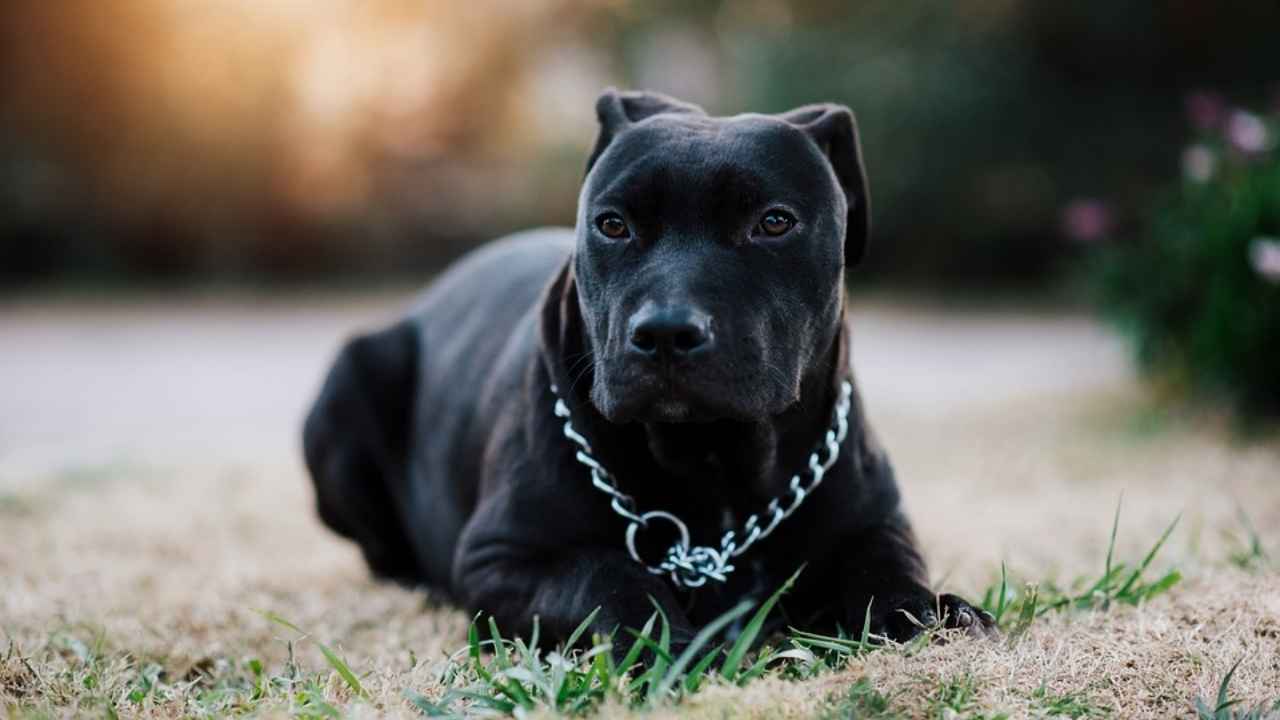
The American Pit Bull Terrier is a medium-sized, muscular breed originally bred for bull-baiting and later used in farm work and companionship. Weighing between 30-60 pounds and standing 17-21 inches tall, these dogs are known for their strength, agility, and determination.
While they can be affectionate and loyal, they require a firm hand in training to ensure they develop good manners and self-control, making them less suited for families with young children.
One concern with this breed is its strong bite force. PetMD states that well-trained Pit Bulls are not inherently aggressive; their strength means that rough play or misunderstandings can result in a child receiving an accidental nip. It’s crucial to teach kids how to interact with dogs respectfully and to supervise all interactions to ensure safe play.
Pit Bulls can also display possessiveness over food or toys, which may trigger aggression in poorly trained or unsocialized individuals. Young children who do not understand boundaries might unknowingly provoke a reaction by taking a dog’s food or disturbing them while eating. Proper training and socialization from an early age are essential to prevent resource-guarding behaviors.
Pit Bulls are naturally alert and may be wary of strangers, making them excellent watchdogs. However, without proper training and exposure, they can become overly territorial. Families who do not have experience handling strong-willed dogs may find it challenging to manage these instincts in a way that ensures the safety of both guests and children.
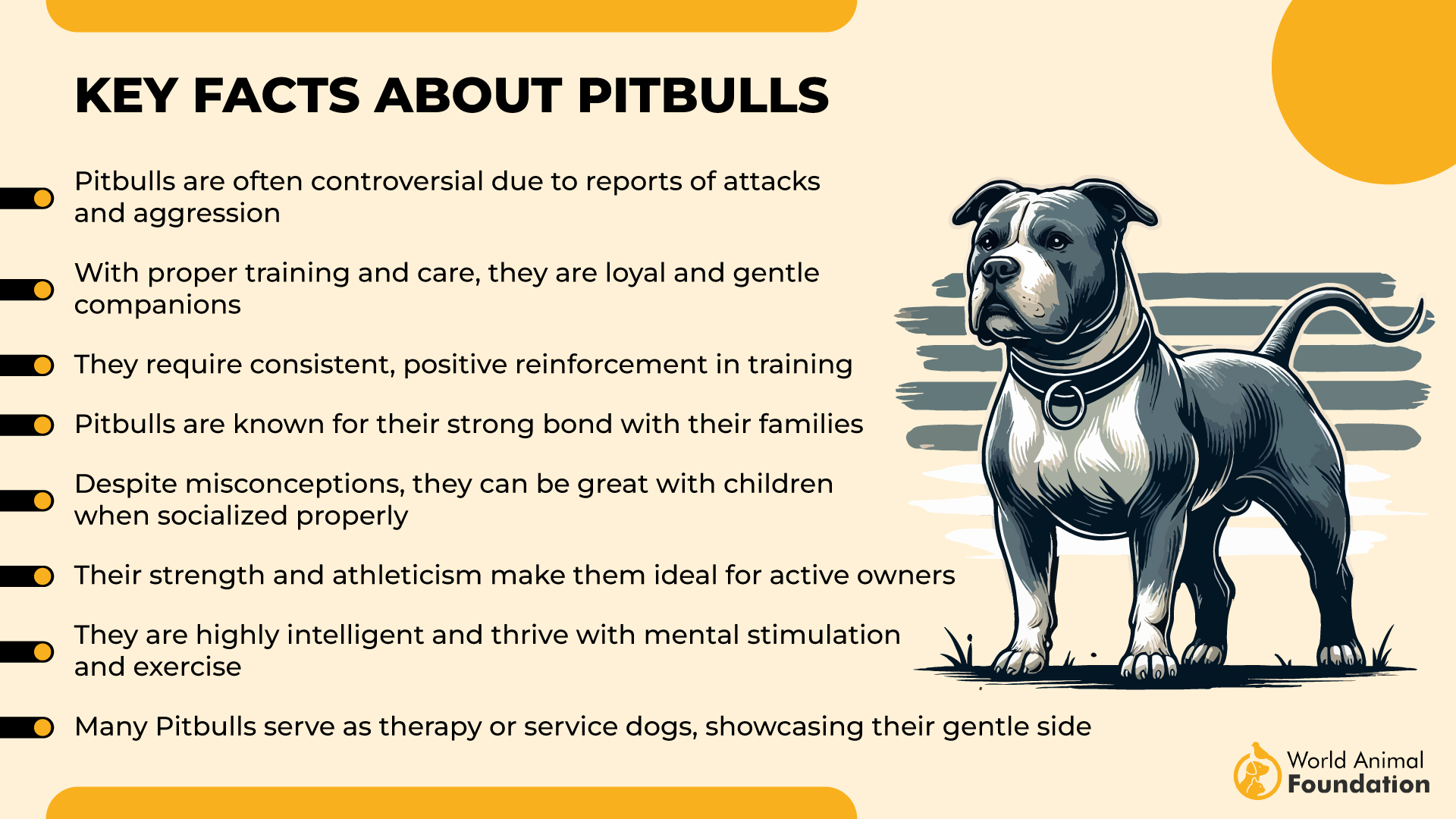
While Pit Bulls can be loving and loyal companions, they are best suited for experienced owners who can provide the required structure, training, and supervision.
7. Akita
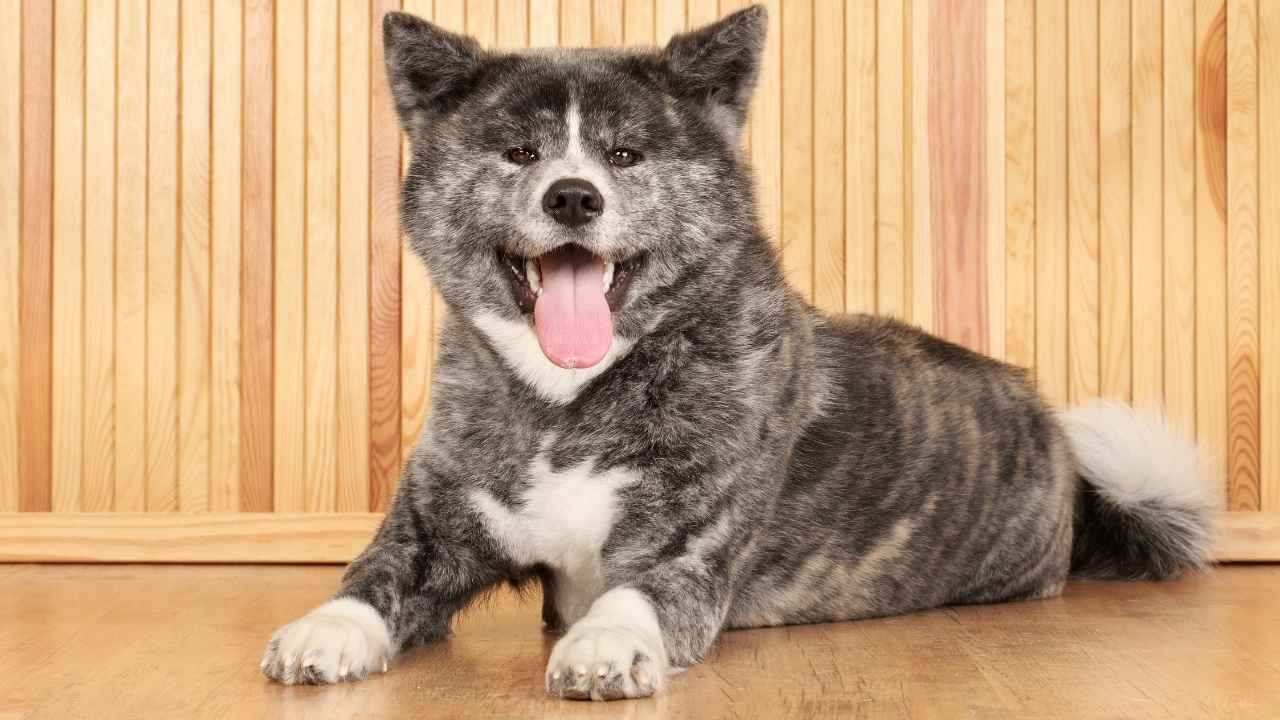
The Akita is a large and powerful breed, with males weighing 100-130 pounds and females 70-100 pounds. Their sheer size alone poses a risk to small children, as even a playful nudge can cause accidental injuries.
Akitas are not naturally gentle or patient with unpredictable movements, making them less suited for households with young kids who may unknowingly provoke them.
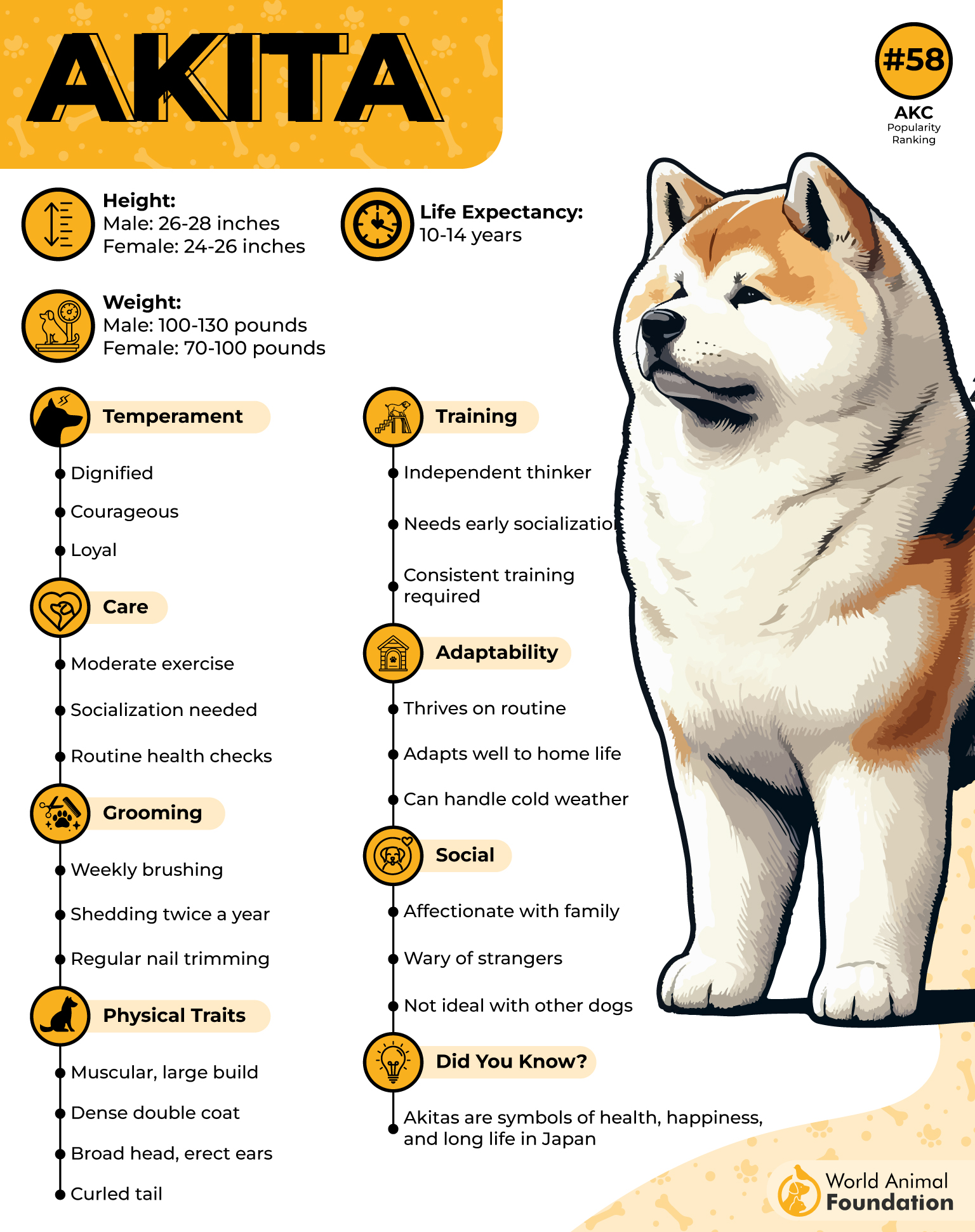
Known for their strong-willed and dominant nature, Akitas do not tolerate rough play or mishandling. Unlike naturally forgiving breeds, Akitas can be aloof and sometimes reactive if they feel their space is invaded. Young children, who often hug, tug, or climb on dogs, may unintentionally trigger defensive behavior, leading to potential safety concerns.
As noted by PDSA, Akitas also have a high prey drive, meaning fast movements, loud noises, and sudden actions can overstimulate them. This instinct makes them prone to chasing and rough interactions, which can be dangerous around small children.
Their strong guarding tendencies may also lead them to view unfamiliar kids as a threat, increasing the risk of unpredictable reactions.
Despite their intelligence, Akitas require a firm, experienced handler who can establish leadership and boundaries—something young children cannot provide. Without proper training and socialization, an Akita may become stubborn, possessive, or aggressive, making them unsuitable for families with little ones.
Akita’s size, strength, independent nature, and prey drive make them risky for families with young children. While deeply loyal to their owners, they are not naturally patient or playful with small kids. Their need for strong leadership, careful training, and structured interaction makes them better suited for homes with experienced owners who understand their complex temperament.
Conclusion
When choosing a dog for a household with young children, avoiding breeds that may feel uncomfortable in a high-energy environment is essential. Some of the worst dog breeds for young-age companions include the Australian Cattle Dog, Belgian Malinois, and Cane Corso, as their protective instincts and intense energy levels can be overwhelming.
While these energetic breeds and large game hunters may excel in the right hands, they require experienced training, firm leadership, and an understanding of mutual respect. A poorly trained cattle dog or a dominant guardian breed could pose challenges, making other factors, such as temperament, space, and exercise needs, crucial.
Instead of choosing a dangerous breed, families should look for the best dog suited for a child’s temperament—typically one that is calm, patient, and affectionate.