WorldAnimalFoundation.org is reader-supported. When you buy through links on our site, we may earn an affiliate commission. Learn More
Have you ever noticed a dog with a black or spotted tongue and wondered what makes them unique? While most dogs have pink tongues, a few breeds stand out with this distinctive feature. Whether entirely dark or marked with black patches, these tongues add an intriguing touch to certain canines, sparking curiosity among dog lovers.
Some believe a black tongue signifies a purebred lineage, while others think it adds to a dog’s charm and character. Though this feature may look unusual, it’s natural for certain breeds and does not affect their health or temperament. Many dogs are known for their loyalty, intelligence, and affectionate nature.
If you’re curious about which breeds are known for their black tongues, this blog is for you! From small companion dogs to large working breeds, we’ll explore the most well-known canines that sport this rare trait. Keep reading to discover which dogs proudly display this unique and eye-catching characteristic!
Dog Breeds with Black Tongues
1. Thai Ridgeback
The Thai Ridgeback is a rare and ancient breed known for its sleek, muscular body, a distinctive ridge of hair along its back, and, most notably, its black or blue-tinged tongue. Originating from Thailand, this breed has been used for hunting, guarding, and companionship for centuries.
Their unique tongue color adds to their mystique, making them one of the more visually striking breeds.
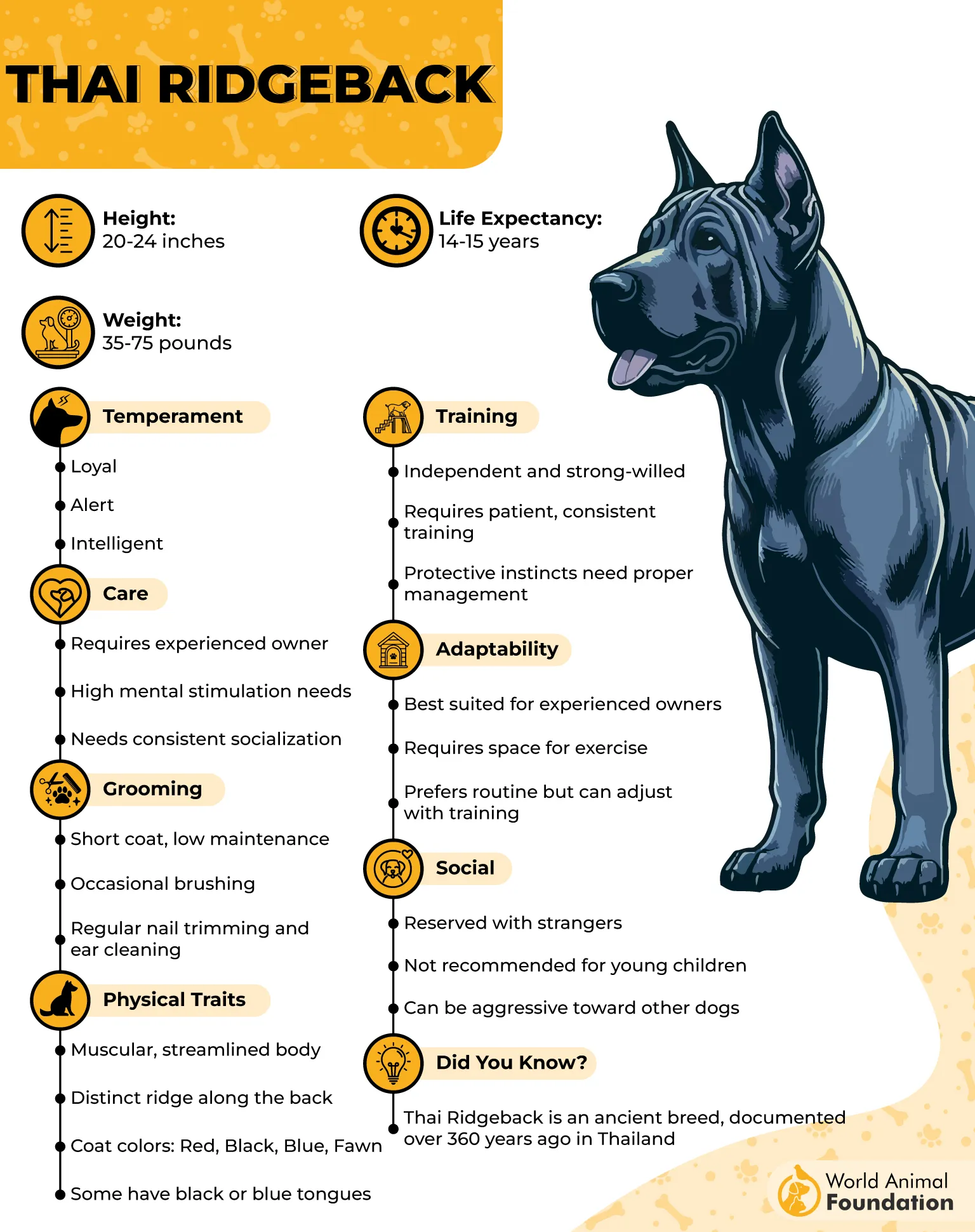
Thai Ridgeback’s black tongue remains a defining feature of the breed. Some dogs have fully black tongues, while others display dark spots or patches. This pigmentation appears at birth and deepens as they grow, making each dog’s tongue pattern unique.
Their dark tongues are believed to result from genetic pigmentation passed down through generations. Some theories suggest it may have developed as a form of sun protection or an evolutionary trait linked to their survival in Thailand’s hot and humid climate. However, there is no scientific consensus on why this trait appears in certain breeds.
AKC states that Thai Ridgebacks are admired for their loyalty, intelligence, and independence. Their protective instincts make them excellent guard dogs, while their agility and endurance allow them to thrive in active households. The black tongue, often seen as a mark of their pure lineage, further adds to their rugged and exotic appeal.
If you’re looking for a rare and eye-catching breed with a fascinating appearance and a rich history, the Thai Ridgeback is an excellent choice. Their sleek build, sharp instincts, and devoted temperament make them one of the most intriguing and sought-after breeds in the canine world.
2. Phu Quoc Ridgeback
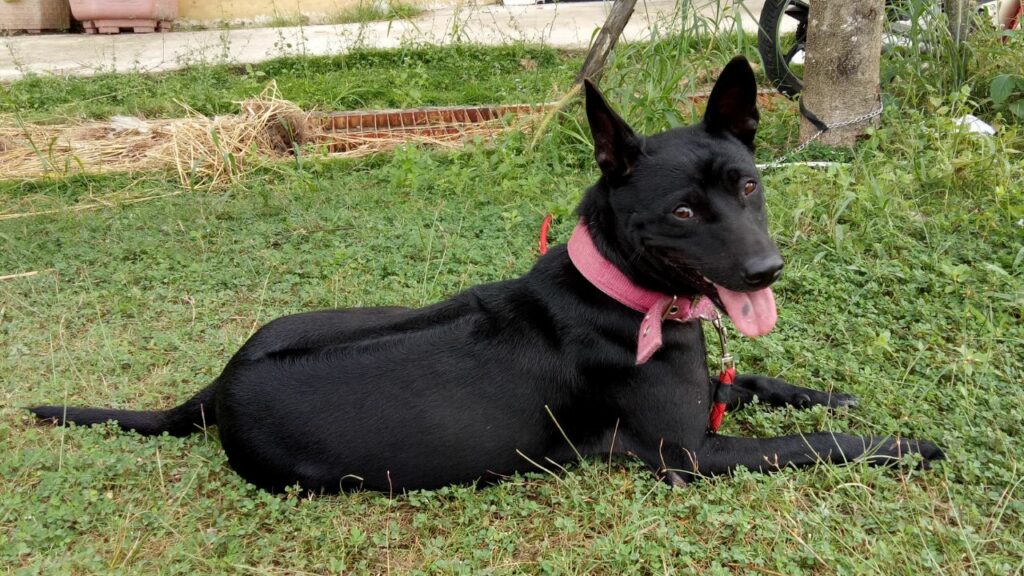
The Phu Quoc Ridgeback is a rare and unique breed originating from Phu Quoc Island in Vietnam. Known for its sleek build, webbed feet, and distinctive ridge of hair running along its back, this breed also possesses an intriguing feature—a black or darkly pigmented tongue. This rare trait sets it apart and adds to its exotic appeal.
Most purebred Phu Quoc Ridgebacks exhibit this feature. Some have entirely black tongues, while others display irregular dark patches or speckles. This pigmentation appears at birth and remains throughout their life, making it a recognizable trait.
While the exact reason for their black tongue remains unknown, it is widely believed to be a genetic trait linked to ancient Asian breeds. The Phu Quoc Ridgeback shares this trait with the Thai Ridgeback and the more famous Chow Chow, suggesting a possible ancestral connection.
Phu Quoc Ridgeback is an intelligent, agile, and fiercely loyal breed. These dogs are known for their strong hunting instincts and adaptability, making them excellent companions for experienced owners. Their black tongue, often associated with purity in the breed, further enhances their rare and captivating presence.
For those seeking a one-of-a-kind dog with a mysterious and distinctive look, the Phu Quoc Ridgeback is the perfect choice. This remarkable canine captivates dog enthusiasts worldwide, whether as a working dog or a loyal companion.
3. Alaskan Malamute

The Alaskan Malamute is a strong and majestic breed, best known for its endurance, intelligence, and thick double coat. While this mid-sized dog is primarily recognized for its sled-pulling strength, it is also one of the rare dog breeds that can have a distinctive blue-black tongue. This extra pigment on the tongue adds to the Malamute’s unique charm.
Alaskan Malamutes have dark spots or patches rather than full tongue coloration. This type of pigmentation is harmless and does not indicate any health concerns. It is a natural variation in some Malamutes and other dog breeds with a similar genetic background.
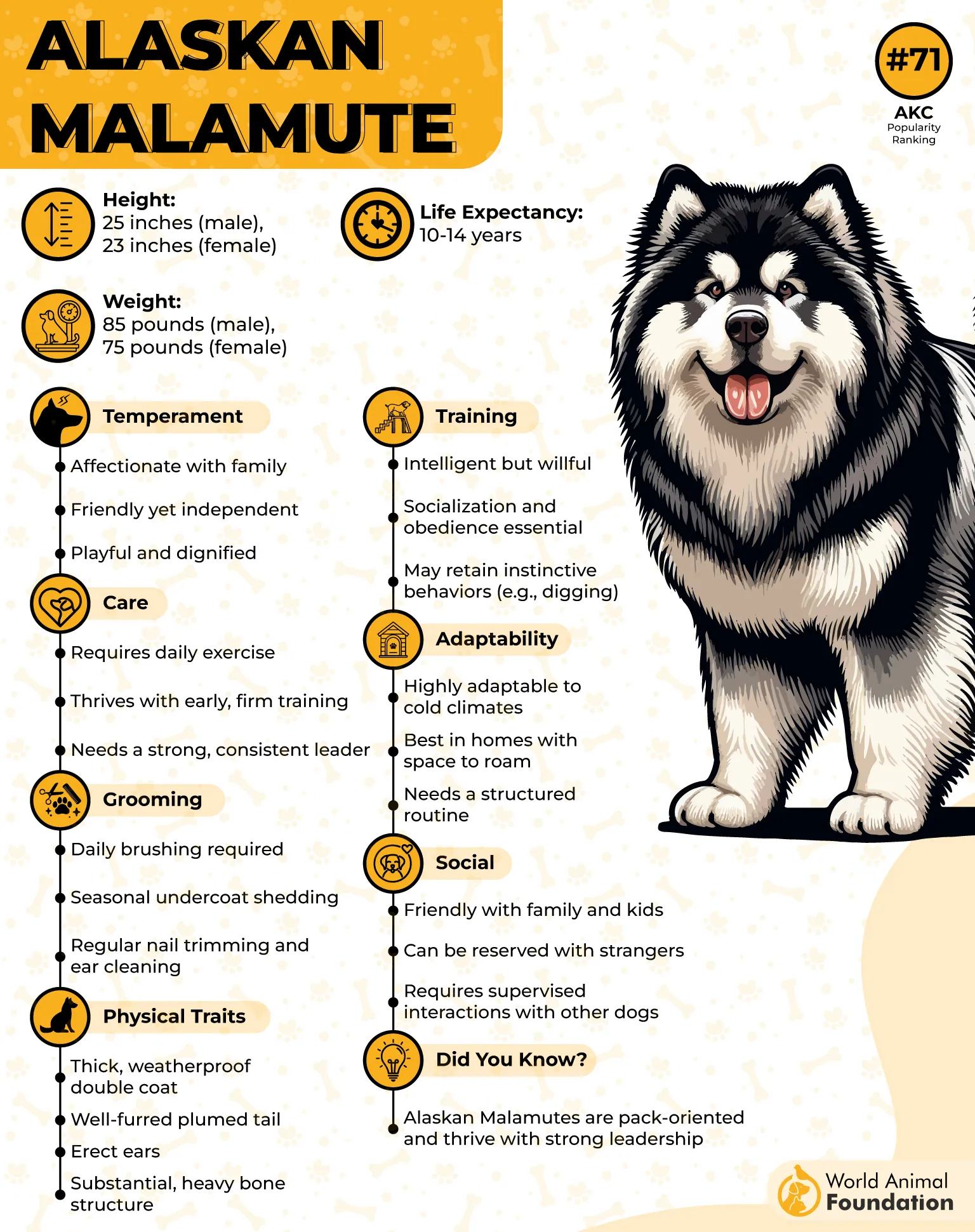
The American Kennel Club (AKC) recognizes Alaskan Malamutes for their strength and versatility but does not specifically list black tongue pigmentation as a breed standard.
However, many owners are surprised to find dark markings on their dog’s tongue, often leading them to wonder if their pet has Chow Chow ancestry. This extra pigment can naturally appear in Malamutes without any mixed lineage.
While the black tongue feature remains a fascinating topic in the dog world. Whether a Malamute has a pink tongue or one with dark spots, this powerful and affectionate breed continues to be a favorite among dog lovers.
Their stunning thick double coat, energetic personality, and loyal nature make them an extraordinary companion, with or without a distinctive blue-black tongue.
4. Australian Cattle Dog
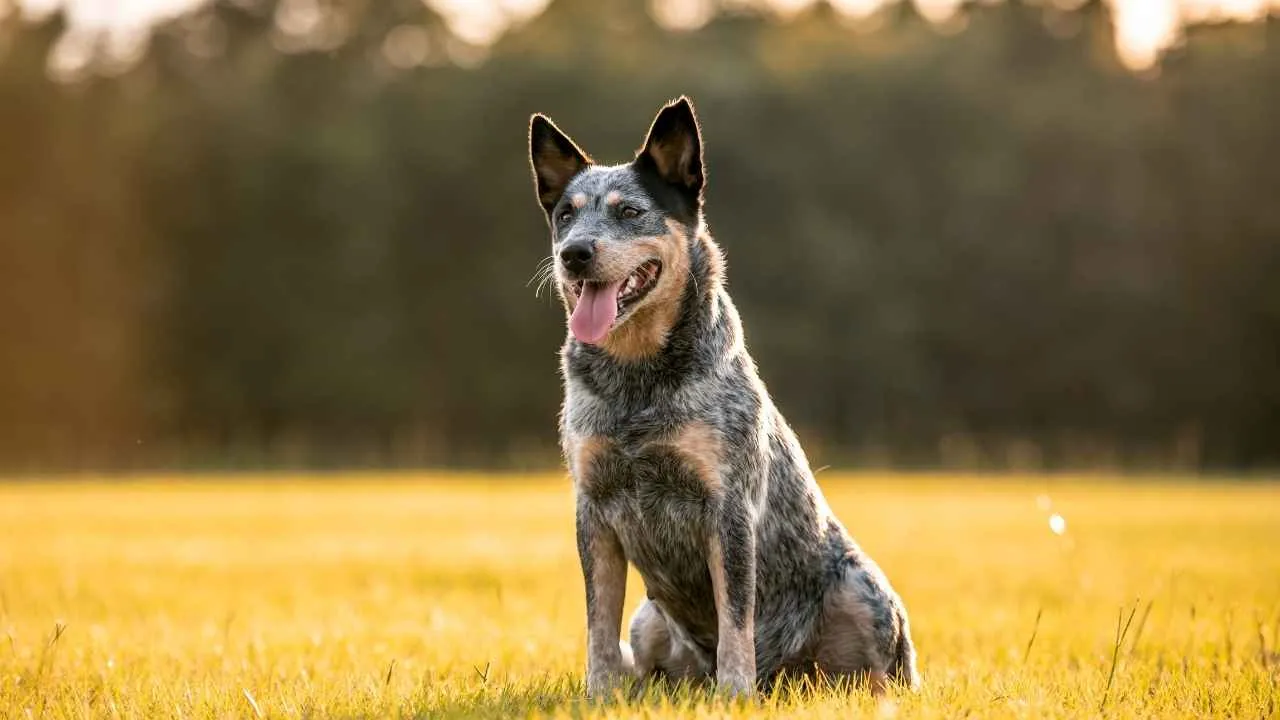
The Australian Cattle Dog is a highly intelligent and energetic working breed, best known for its endurance and herding ability. Australian Cattle Dogs exhibit a unique blue-black tongue. This pigmentation often appears as dark spots rather than a fully black tongue, making it an interesting but uncommon trait.
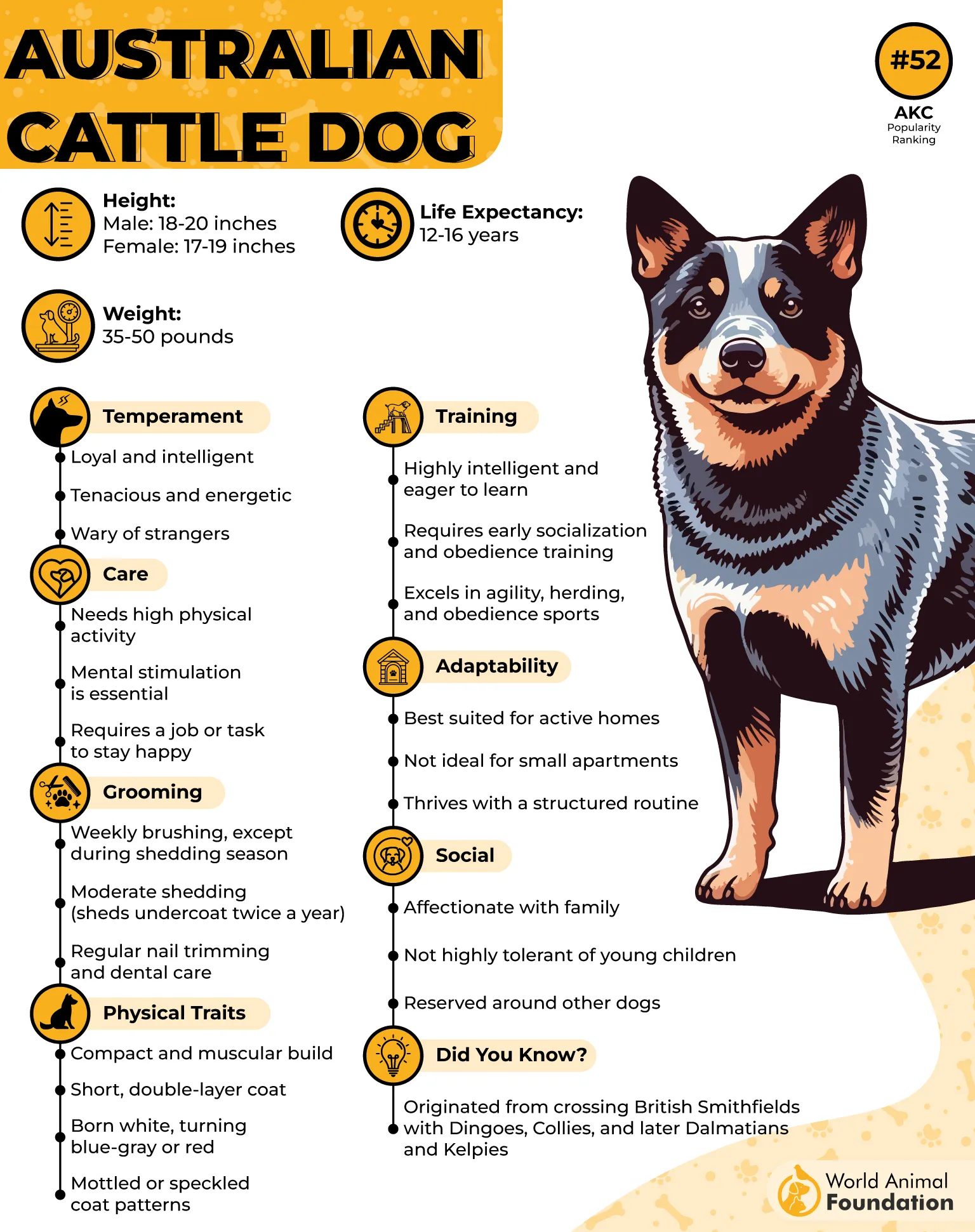
This black pigmentation or black spots on the tongue can be seen in many breeds, which is completely normal and does not indicate mixed ancestry, despite common misconceptions.
Australian Cattle Dogs may develop blue-black tongue spots due to natural pigmentation. This variation adds to their distinctive appearance, speckled coat, and sharp, alert expression.
Australian Cattle Dogs have gained recognition for their intelligence, agility, and loyalty. Whether they have tongue spots, they remain one of the most versatile working breeds worldwide. This pigmentation is simply an added feature that occasionally appears within the breed.
While Australian Cattle Dogs rarely have fully black tongues, their occasional blue-black tongue spots make them an interesting addition to canine discussions about pigmentation.
5. Belgian Tervuren
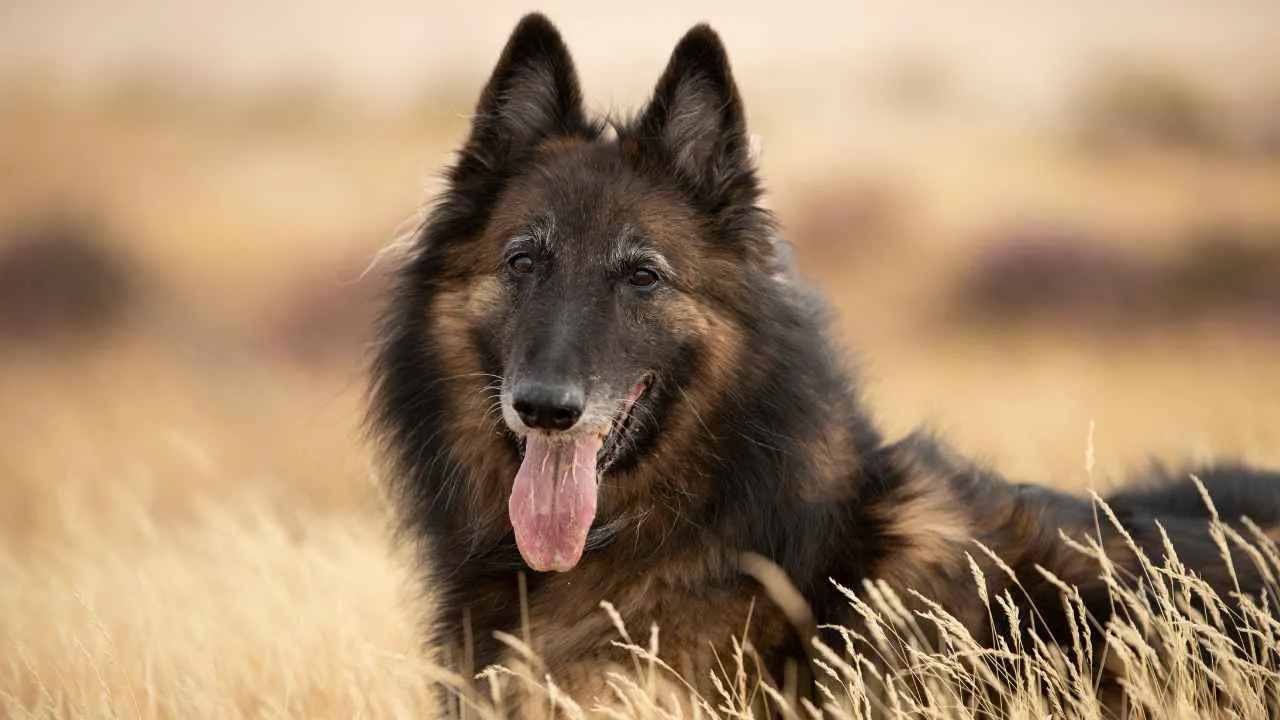
The Belgian Tervuren is a highly intelligent and agile herding breed, often compared to German Shepherds for its versatility and keen instincts. While best known for its elegant coat and triangular ears, this breed can also display spotted tongues due to extra pigmentation.
This unique characteristic is a natural trait in some Tervurens, adding to their distinct appearance.
Belgian Tervurens can have pigmented spots on their tongues. These markings result from microscopic melanin granules, which cause darker coloration in certain areas. These spots do not affect the dog’s health or temperament. However, it adds to their other distinctive features.
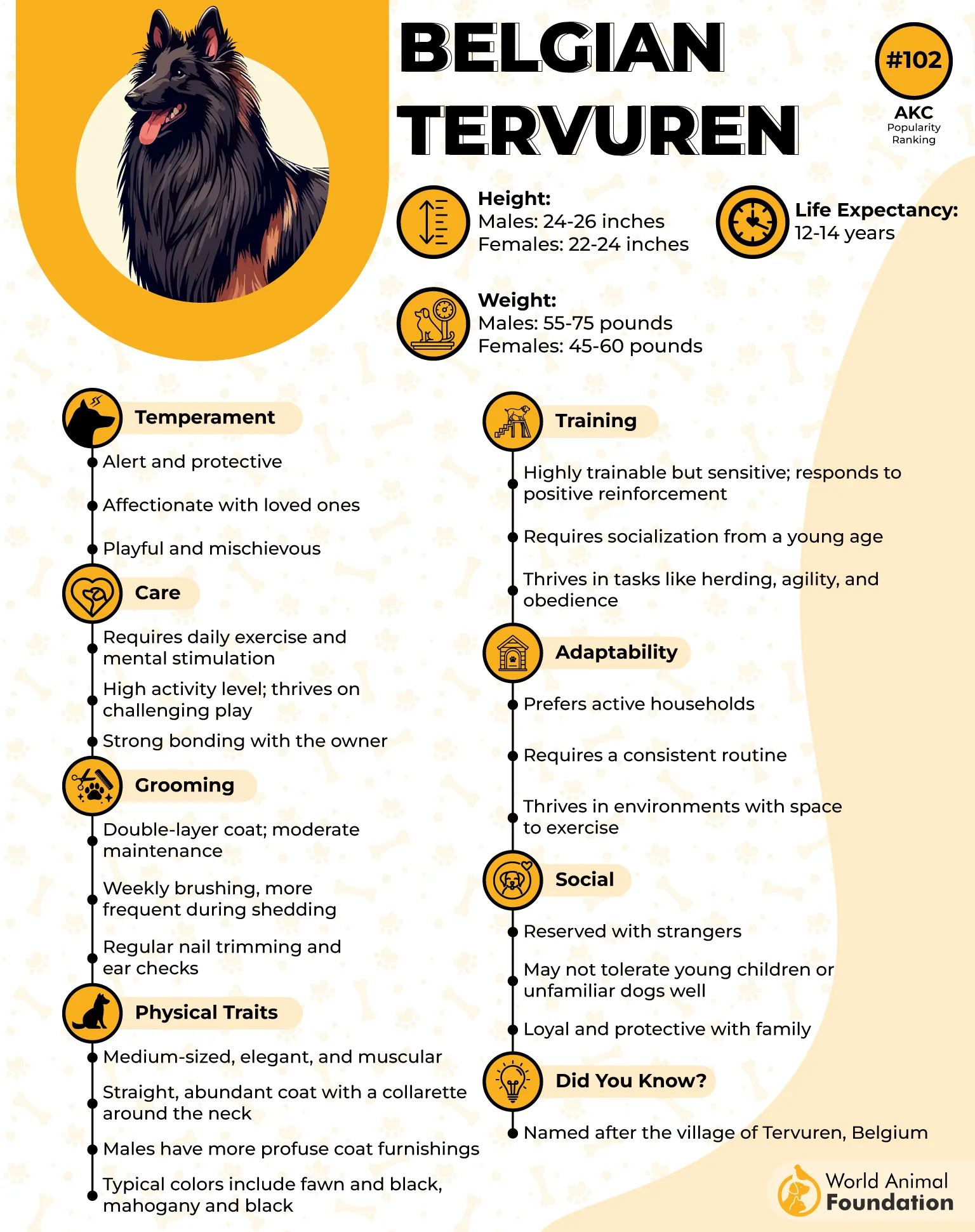
Belgian Tervurens share distant ancestors with black-tongued breeds, which may explain the appearance of these markings. Some smaller pups may develop tongue spots as they grow, like how coat patterns and pigmentation evolve. These subtle variations contribute to the breed’s striking and dynamic look.
As a selectively bred working dog, the Belgian Tervuren is highly trainable and excels in various canine sports, from obedience to agility. WebMD states their sharp minds and strong herding instincts make them exceptional companions for active owners. Whether their tongue has pigmented spots, their intelligence and loyalty remain defining traits.
Belgian Tervuren’s tongue pigmentation is another fascinating aspect of this impressive breed. Combined with their stunning coat and remarkable work ethic, they stand out in the dog world.
6. Bull Mastiff
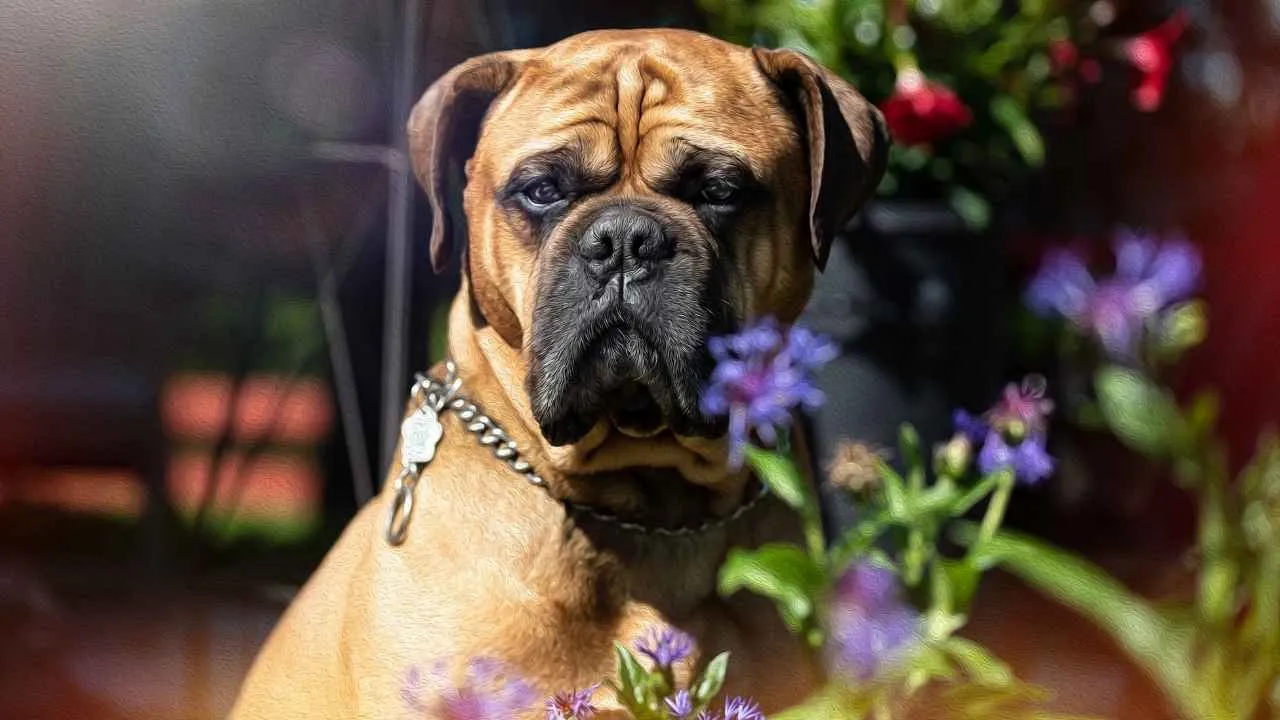
The Bullmastiff is a powerful and protective breed known for its wrinkled face, broad head, and muscular build. While its defining features include a deep chest and strong stance, one lesser-known characteristic is the pigmented area on its tongue. These dark patches or spots appear naturally in some Bullmastiffs, giving them a unique look that sets them apart from other large guardian breeds.
Due to natural melanin distribution, Bullmastiffs may develop pigmented areas found on their tongues. This extra pigmentation can appear as scattered dark spots or larger blotches, similar to markings in other black-tongued breeds. These spots are simply a cosmetic variation and do not indicate any health concerns.
While the wrinkled face is a signature trait of the Bullmastiff, its black tongue markings add to its distinctive appearance. Some puppies may be born with light-colored tongues, with pigmented areas darkening as they grow. This subtle change is common in many breeds where tongue pigmentation is present.
While black tongue pigmentation only adds to their bold and striking presence, Bullmastiffs are known for loyalty and deep connections with their owners. Their calm yet protective nature makes them excellent family companions. These dogs are known for their watchful eyes and steadfast devotion, making them gentle guardians and formidable protectors.
For any person looking for a courageous yet affectionate companion, the Bullmastiff’s wrinkled face, powerful build, and black tongue markings make it an impressive and unique choice. Whether guarding a home or being a loyal friend, this breed’s combination of strength, intelligence, and rare tongue pigmentation makes it a standout in the canine world.
7. Chinese Shar-Pei
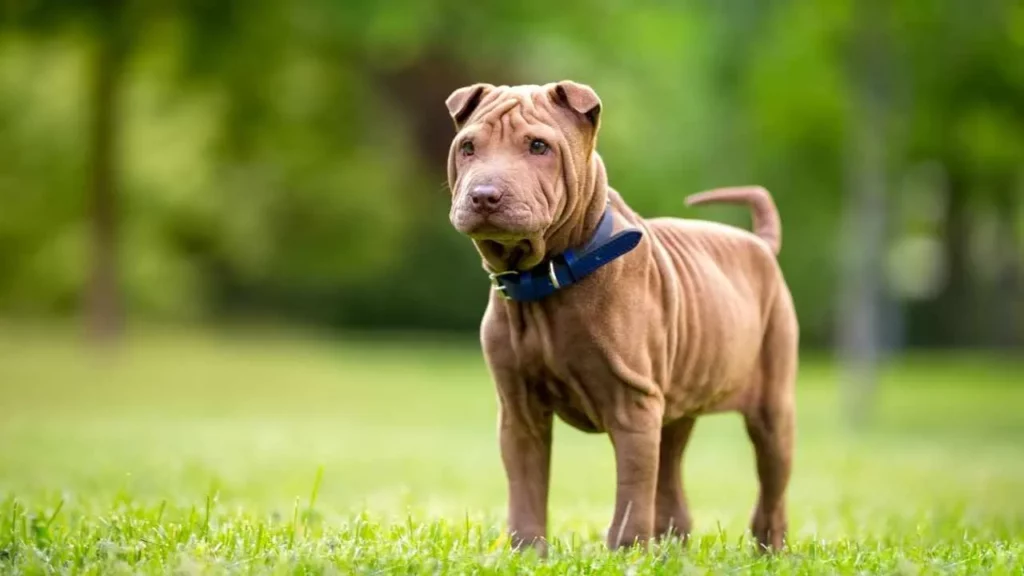
The Chinese Shar-Pei is one of the six dog breeds that consistently have a heavily pigmented black or blue-black tongue. This distinct trait, deep wrinkles, and wedge-shaped heads make them easily recognizable.
While some may assume this feature is exclusive to Chow Chows, it is a popular belief that the two breeds share similar origins and genetic traits, including dark tongue pigmentation.
PDSA states that the heavy pigmentation of the Shar-Pei’s tongue is a natural characteristic seen across most Shar-Pei bloodlines. Unlike other breeds where black tongue spots appear randomly, Shar-Peis almost always has fully pigmented tongues. This feature is unique to their breed identity, making them stand out even further among wrinkled breeds.
Shar-Pei is known for its distinctive high-set ears, loose skin, and short bristly coat. Combined with their dark tongues, these features give them a serious yet endearing expression, often described in pet guides as an ancient and noble look. Some Shar-Peis even develop freckles or variations in pigmentation inside their mouth, adding to their uniqueness.
A key difference between the standard Shar-Pei and the miniaturized version is size, but both share the same deeply pigmented tongue. This characteristic has been preserved throughout the breed’s history, making it one of the most defining Shar-Pei traits.
The Chinese Shar-Pei offers intelligence and a dignified presence for any human looking for a loyal and independent companion. With their black tongue, wedge-shaped head, and historical significance, they remain a breed of great intrigue among the dog-loving community.
Whether as a family pet or a devoted guardian, their combination of rare features and strong character makes them truly one of a kind.
Conclusion
In addition to the well-known Chow Chow and Chinese Shar-Pei, a few other breeds also have black or blue-black tongues, surprising many dog lovers. While these markings are rare, one other dog breed that sometimes exhibits them is the Miniature Shar-Pei, a compact version of its larger counterpart.
Resources like Vet Street and Dog Zone highlight how these unique tongue colors are not exclusive to a single breed but can also appear in mixed breeds. While black tongues are usually harmless, owners shouldn’t worry unless their dog shows signs of illness, as some conditions can make dogs prone to unusual pigmentation changes.
With some other dogs displaying this trait, it’s clear that Chow Chows and Shar-Peis aren’t the only ones carrying this fascinating genetic quirk.