WorldAnimalFoundation.org is reader-supported. When you buy through links on our site, we may earn an affiliate commission. Learn More
Dogs are more than just pets—family members, exercise partners, and professional crumb catchers. But just like us, some pups are more prone to packing on the pounds than others. While a chubby dog may seem adorable, obesity can lead to serious health issues, including diabetes, joint problems, and even a shorter lifespan.
If you’ve ever had to wrestle your dog away from the treat jar or caught them giving your dinner a longing stare, you’re not alone. Certain dog breeds are more predisposed to weight gain due to genetics, appetite, and, let’s be honest, their talent for begging.
So, who are the heavyweight champions of the dog world? Let’s dive in and find out which breeds are most prone to obesity and how you can keep their tails wagging and waistlines in check!
Dog Breeds Most Prone to Obesity
1. Chihuahua
Tiny but mighty, the Chihuahua is a prime candidate for obesity. Despite their petite size, Chihuahuas often have a big appetite, and those extra snacks can add up fast. Their small stature means even a slight weight gain can significantly impact their health.
When it comes to maintaining a healthy weight, it’s essential to keep an eye on your dog’s weight throughout their life. Overweight dogs are more prone to health issues like joint problems, heart disease, and diabetes. Many dog owners are concerned when their Chihuahua starts to gain weight, often without realizing how easily these tiny dogs can pack on the pounds.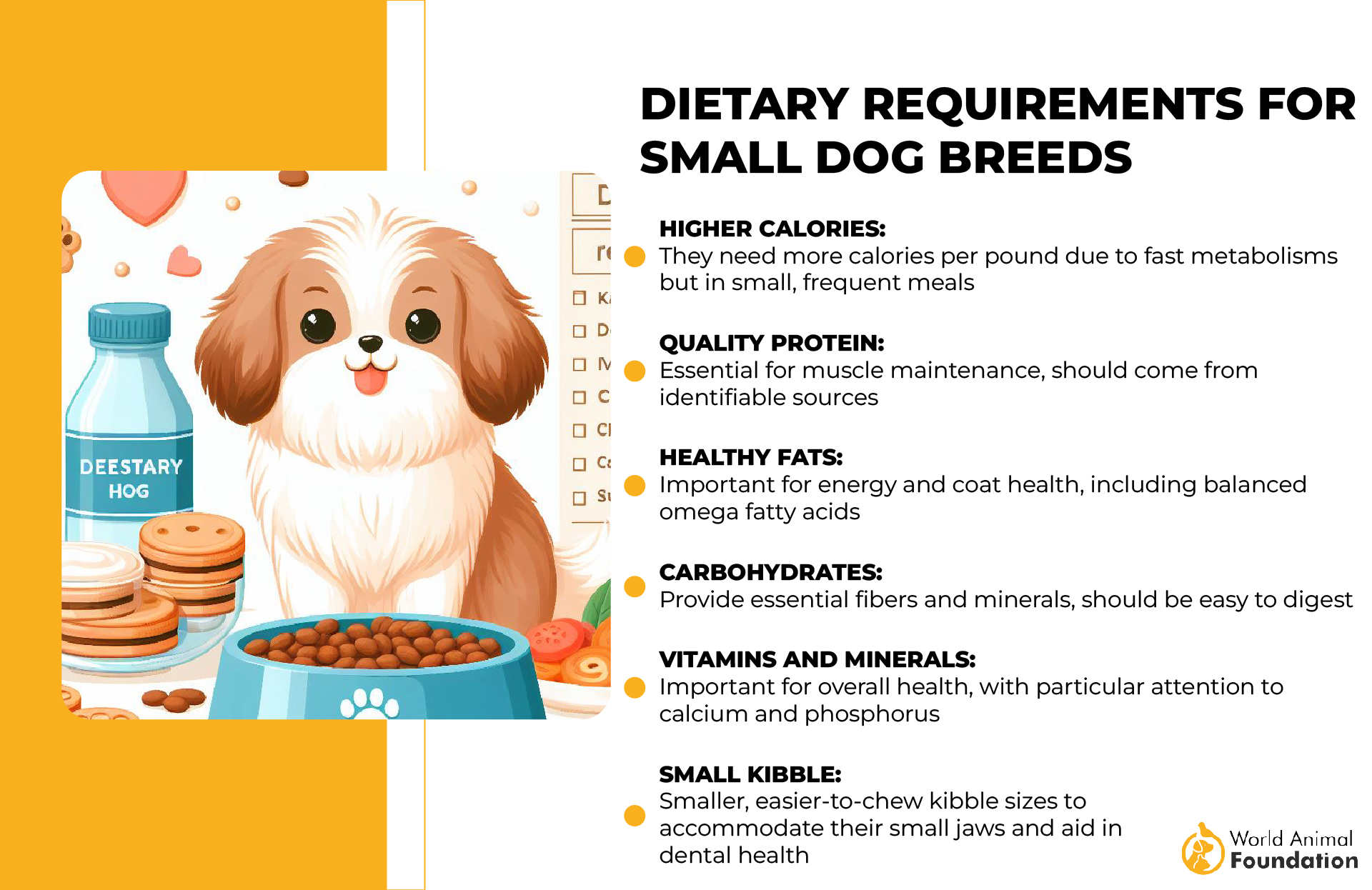
Chihuahua may struggle with mobility and may have a reduced life expectancy. Ensuring your dog maintains a healthy weight through proper nutrition, portion control, and regular exercise can prevent these concerns.
These feisty little dogs are known for their couch-potato tendencies, preferring snuggling under blankets to running laps in the yard. VCA says they are patient and gentle and it’s easy to overindulge them.
2. Golden Retriever
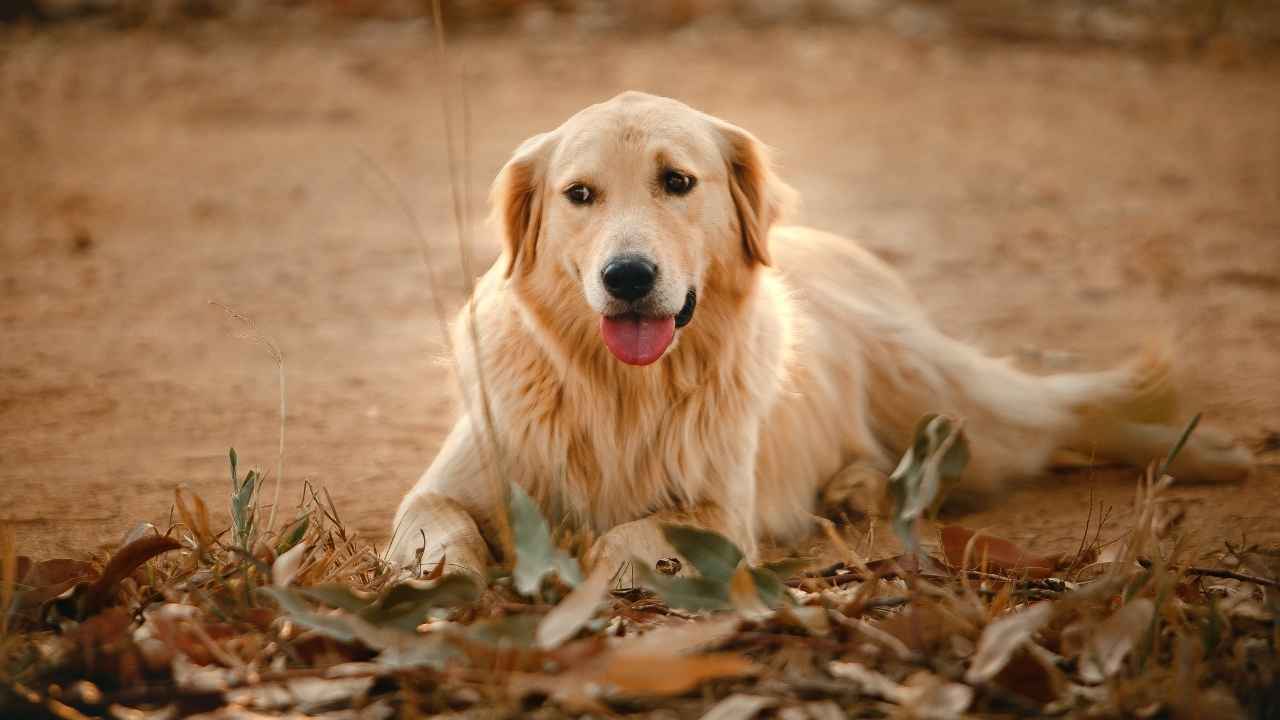
Golden Retrievers have an insatiable appetite and a tendency to overeat if given the chance. Add in their mellow personalities, and you have a recipe for weight gain.
They are also prone to hypothyroidism, a condition that slows their metabolism and makes it even harder to keep the pounds off. Regular exercise and a high-quality diet are essential to keep them fit and active.
When it comes to maintaining a healthy body weight, choosing high-quality dog food is crucial. They can get fat easily if they consume excessive treats or are fed lower-quality food that lacks essential nutrients. The Royal Veterinary College has highlighted the importance of a balanced diet for dogs, emphasizing that poor nutrition can lead to excessive weight gain, which can then result in obesity in dogs.
To keep an ideal weight, it’s essential to measure their food portions and avoid overfeeding. Excessive treats without daily exercise can easily contribute to an increase in body weight, making it harder for your Golden Retriever to stay at a healthy weight.
Regular exercise, combined with a high-quality dog food diet tailored to their needs, can help prevent obesity and ensure your Golden Retriever stays fit, active, and happy.
3. Staffordshire Bull Terrier
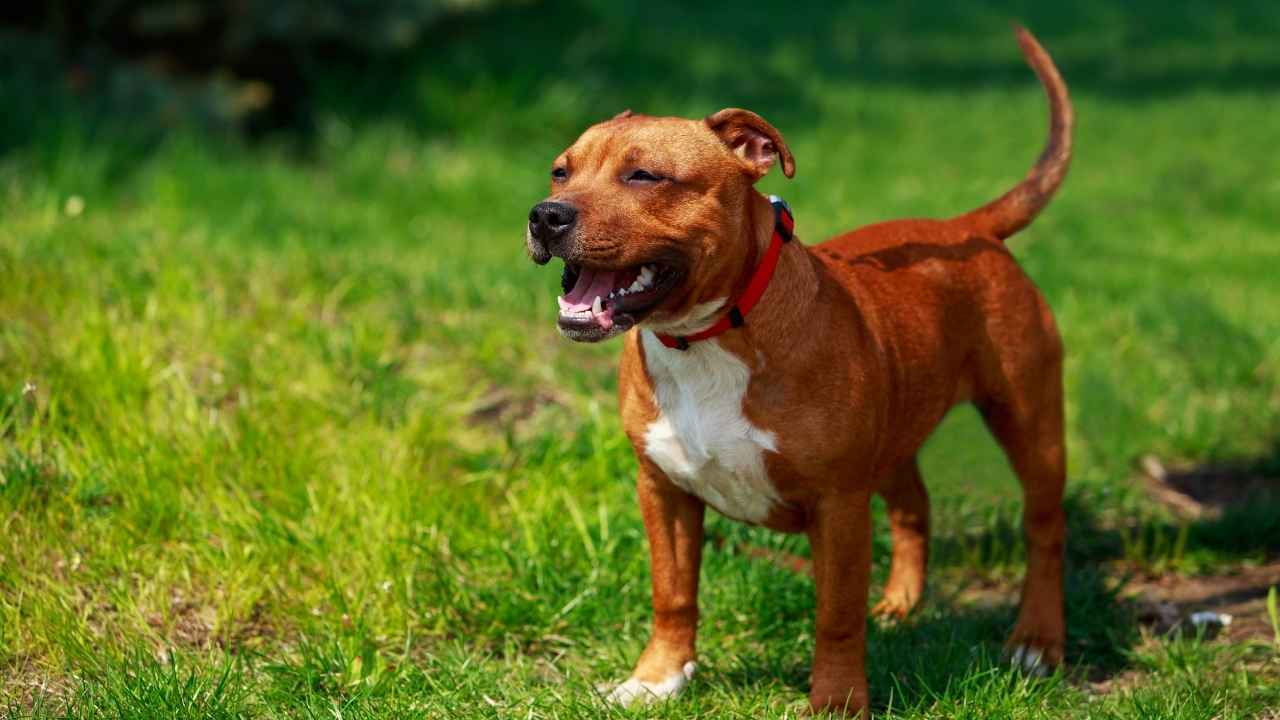
Staffies are muscular, energetic dogs with a love for food. PetMD calls them stocky dogs!
To maintain their ideal body weight and avoid canine obesity, it’s important to provide a balanced diet and ensure they get as much exercise as needed. If your dog is carrying extra pounds, helping them lose weight gradually is key. Regular exercise is essential, but it’s important to let your dog relax and recover after activity, especially if they’re just starting to get more active.
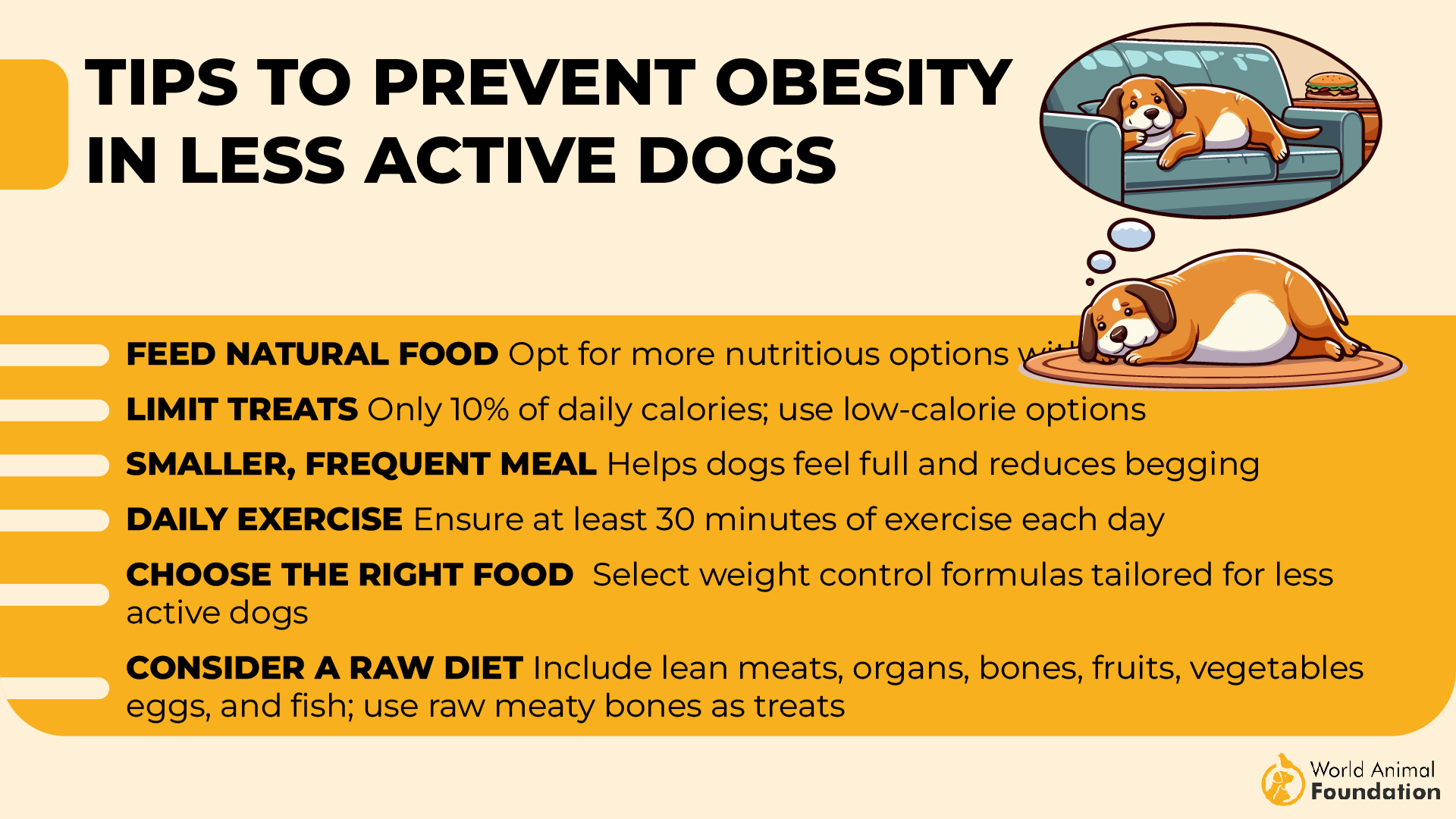
A well-structured routine that includes playtime and daily walks can help your Staffordshire Bull Terrier shed pounds while ensuring they stay comfortable. By combining proper nutrition, consistent exercise, and plenty of downtime to relax, your dog will not only achieve their ideal body weight but also improve their overall health and happiness.
Their affectionate nature means they’ll happily join you on the couch, but keeping them active is key. Engage them with fetch or agility training to burn off those extra calories. Use interactive feeders to slow down mealtime and keep their minds and bodies active.
A bored Staffie is a Staffie with a belly!
4. Bichon Frise

Fluffy and adorable, the Bichon Frise looks like a cotton ball on legs—but they can quickly become a walking marshmallow if overfed. These small dogs are prone to weight gain, especially when pampered with treats and table scraps.
Their low activity levels indoors mean they rely on structured playtime to stay fit. Regular walks, coupled with a balanced diet, are crucial to keep their waistlines in check.
They are experts at guilt-tripping you into giving them extra snacks. Stay strong—they’ll thank you later when they can keep up during playtime!
5. Cocker Spaniel

Cocker Spaniels are known for their sweet temperaments and soulful eyes, but those same eyes are often used to beg for food. Hills Pet says they are non-aggressive dogs who love to eat!
This breed is predisposed to weight gain, which can lead to joint issues and diabetes.
Their floppy ears and wiggly tails make them irresistible, but it’s important to monitor their calorie intake and ensure they get plenty of exercise. Regular walks and play sessions are essential to keep them healthy.
These dogs love activities like swimming and fetch. Incorporate these into their routine to burn off excess energy (and calories).
6. Border Collie
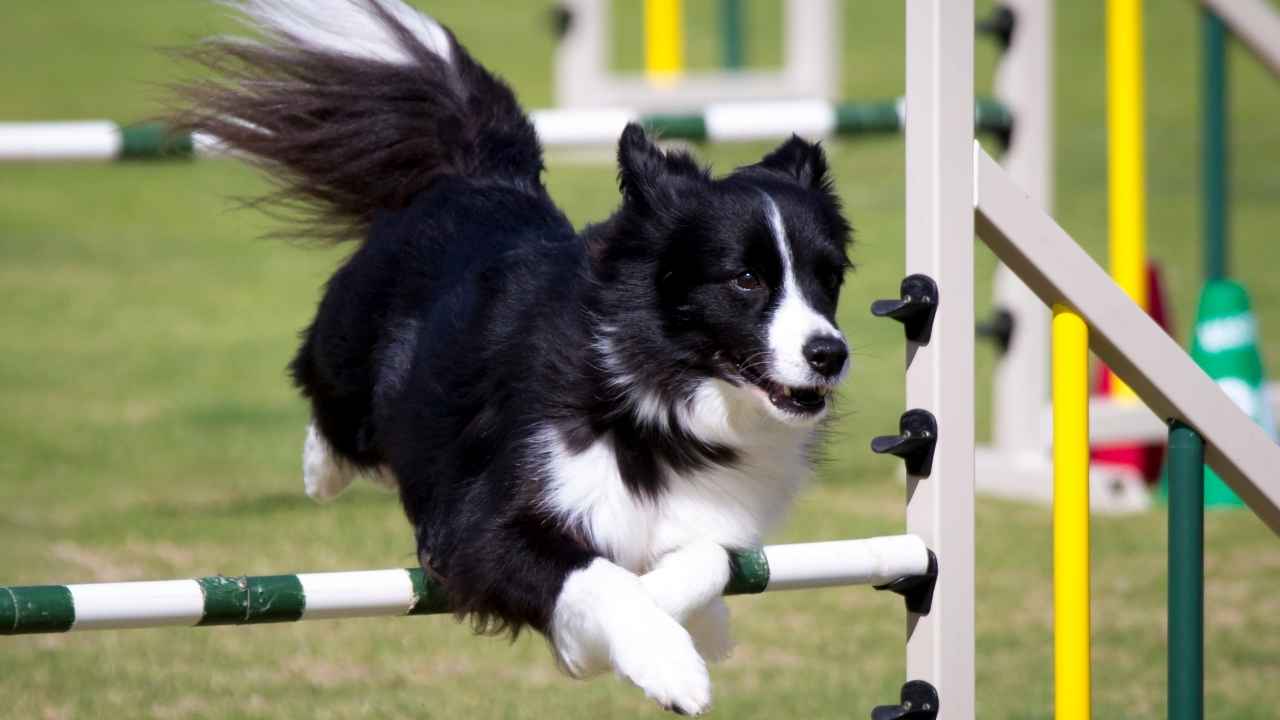
It might seem surprising to see the Border Collie, an energetic working dog, on this list. However, when not given enough physical activity, their sharp minds and bodies can lead to boredom—and boredom eating.
This breed thrives on mental and physical stimulation, so a sedentary lifestyle can quickly lead to weight gain. Keep them engaged with puzzle toys, agility courses, or herding activities to maintain their athletic build.
Fun Fact: A Border Collie’s appetite for snacks is matched only by their appetite for work. Give them a job, and they’ll be too busy to think about treats!
7. West Highland White Terrier (Westie)
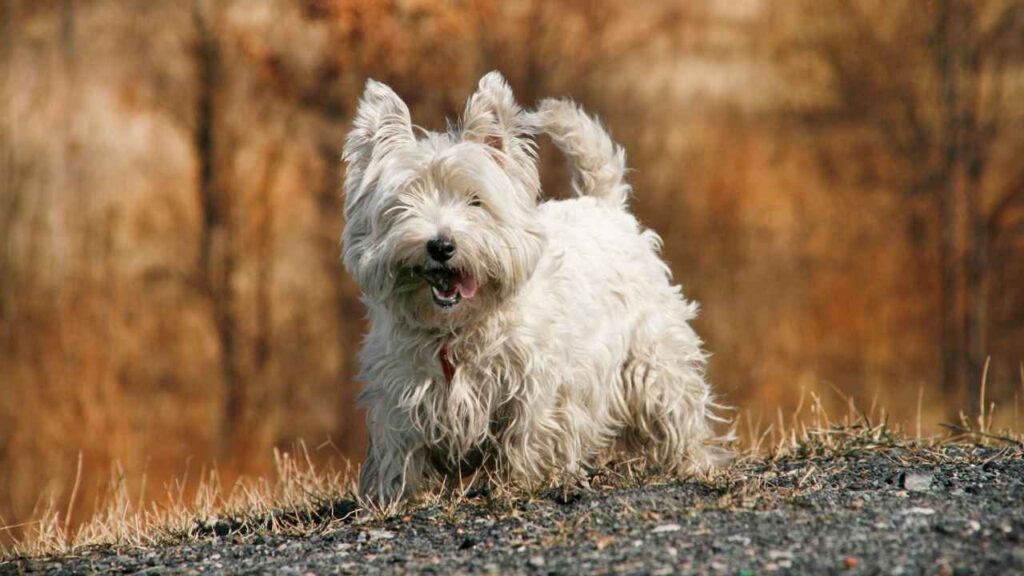
Westies are small but sturdy dogs with a love for food. While their entertaining personalities (as AKC calls them) keep them somewhat active, they’re prone to piling on the pounds if overfed.
Their compact size makes portion control crucial, as even a little extra weight can lead to health issues like arthritis. Regular walks and a strict feeding schedule can help keep your Westie in tip-top shape. Like many small dogs, they are at a higher risk of obesity if their diet isn’t carefully monitored or if they don’t get enough physical activity.
Obesity in them can lead to a range of health issues, including joint problems, heart disease, and reduced lifespan.
To ensure your Westie maintains optimal health, it’s important to take them on brisk walks daily. This not only helps manage their weight but also keeps them mentally stimulated and happy. A balanced diet, combined with regular exercise, can go a long way in preventing obesity and keeping your West Highland White Terrier in peak health.
As always, it’s a good idea to check with your vet for advice on their diet and exercise needs.
8. Cavalier King Charles Spaniel

Cavaliers are as sweet as they look, but their love for food can be problematic. This breed is prone to obesity, which can worsen heart issues—a common health concern for Cavaliers.
Their calm nature makes them ideal lap dogs, but they also require extra motivation to stay active. Regular playtime and short walks can help prevent weight gain and keep their hearts healthy. To keep your dog happy and healthy, it’s best to stick to dog-specific treats and high-quality dog food.
This ensures they get the right nutrients without the risks associated with feeding them human foods. Maintaining a proper diet is key to their long-term health, helping them stay active, vibrant, and free from unnecessary health complications.
Fun Fact: Cavaliers are royalty in disguise—they’ll expect gourmet meals if you let them!
9. Rottweiler
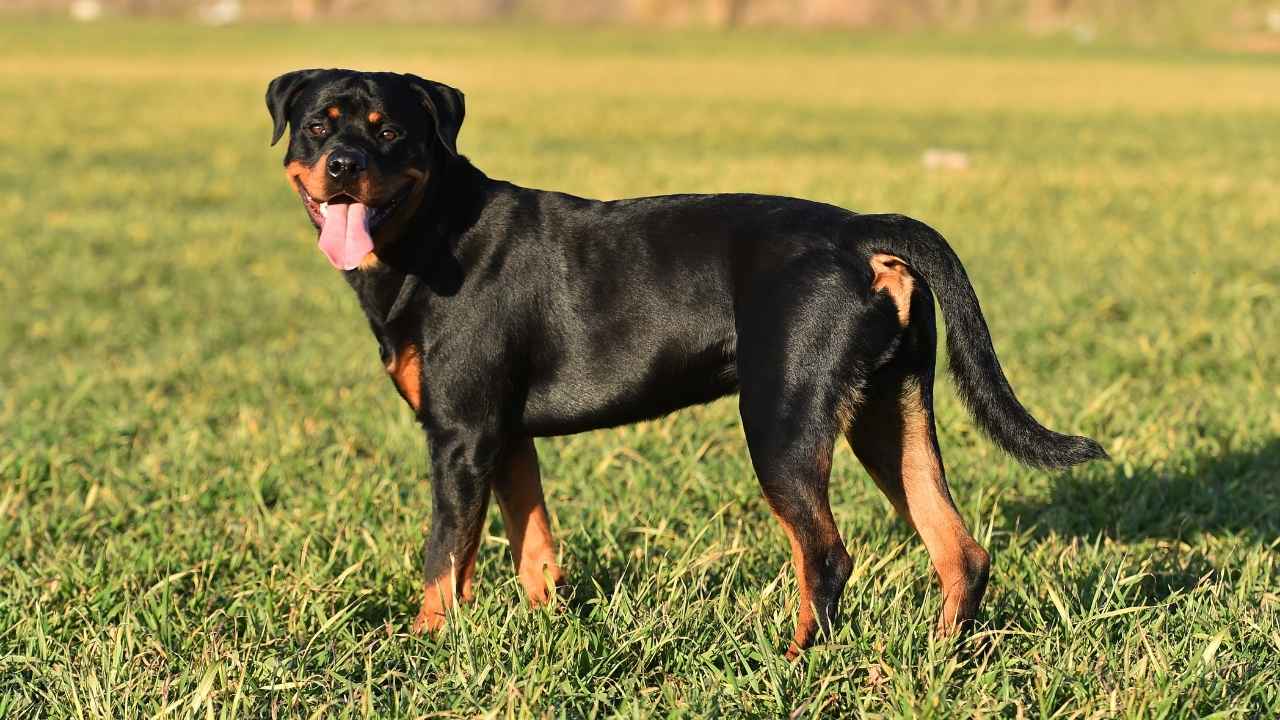
Rottweilers are strong, muscular dogs that require a lot of food to fuel their active lifestyles. However, when their exercise routines are neglected, their hearty appetites can lead to weight gain.
Obesity in them can exacerbate joint problems like hip dysplasia and arthritis. A balanced diet, portion control, and regular exercise are crucial to maintaining strength and mobility. They are known for their strength and stamina, making long walks an excellent way to keep them active and healthy.
However, like many larger breeds, they can be prone to breathing problems, especially in hot weather or if they become overweight or obese. While breeds like pugs are more commonly known for respiratory issues, any dog carrying excess weight can face similar challenges, including Rottweilers.
Dog owners must be vigilant about their dog’s weight to prevent such health issues. Regular visits to the vet can help monitor their weight and overall health. Just like with Beagles or any other breed, staying on top of your dog’s exercise routine and providing a balanced diet will help ensure they stay fit and avoid becoming overweight or obese, leading to fewer complications later on.
Conclusion
While some dog breeds are more prone to obesity, the good news is that managing their weight is entirely within your control. With proper portion sizes, regular exercise, and a little self-discipline (on your part), you can keep your dog healthy and happy. Basset Hound, Border Terriers, and Yorkshire Terriers are also prone to getting obese and develop some health problems if their diet is not controlled well!
Remember, a healthy dog is a happy dog—and fewer pounds mean more years of tail-wagging adventures together. Whether you have a food-loving Chihuahua or a snack-happy Rottweiler, the key is balance, patience, and lots of love!