General Motors was one of the first to get cold feet. Technical problems slowed the launches of new BEVs from Cadillac, Chevrolet, and GMC, and in late January, GM announced that it was shifting some resources away from BEVs and toward a new range of plug-in hybrids despite having previously abandoned its innovative and efficient PHEV powertrain technology.
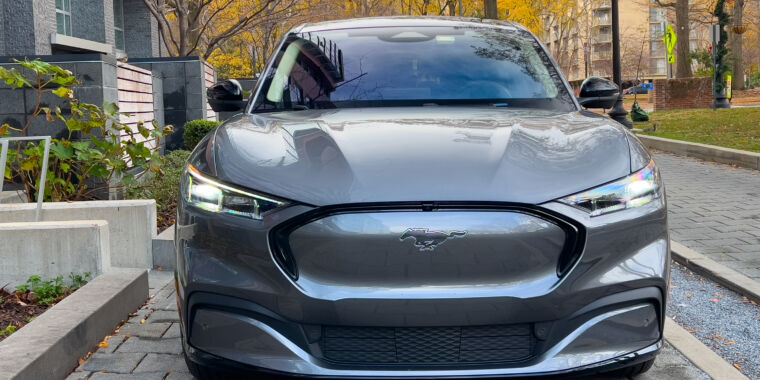
Similarly, Ford also started to back away from BEVs, despite nearly doubling sales. Last month, the Blue Oval shuffled its product plans again, canceling some battery factories and a three-row electric SUV in favor of more hybrids.
And there has been big opposition from the very people expected to sell these new vehicles to consumers, with car dealers lobbying the White House successfully to soften impending fuel efficiency regulations.
Tesla has had the most torrid time of it, with a drop in sales that has seen its US BEV market share fall below 50 percent for the first time. An aging product lineup and the behavior of CEO Elon Musk have done much to erode Tesla’s brand, particularly in the nation’s largest market for electric vehicles.
US EV sales from 2022–2024.
Credit:
S&P Global Mobility
However, even with Tesla’s sales slump and some general month-to-month volatility, there are enough new BEVs arriving in showrooms, including the competitively priced Chevrolet Equinox and the long-awaited Volkswagen ID. Buzz, that S&P Global Mobility says that BEV sales are expected to grow throughout the rest of 2024.