flex circuits support 3D designs
As electronic devices become smaller, more complex, and more versatile, the need for innovative design solutions has grown exponentially. One of the most groundbreaking advancements in this space is the integration of flexible circuits, or flex circuits, which enable 3D designs. Flex circuits are thin, lightweight, and bendable, allowing them to conform to the unique shapes and contours of modern electronic products. Their ability to support three-dimensional configurations has revolutionized industries, enabling more compact and efficient designs while maintaining high performance and reliability.
A key characteristic of flex circuits that makes them ideal for 3D designs is their inherent flexibility. Unlike traditional rigid printed circuit boards (PCBs), which are limited to flat, two-dimensional layouts, flex circuits can be bent, twisted, and folded into complex shapes. This capability allows engineers to design electronics that fit seamlessly into irregular or compact spaces. For instance, in devices like foldable smartphones and wearable technology, flex circuits enable seamless connections between components housed in different sections, ensuring both flexibility and functionality.
Another advantage of flex circuit in 3D designs is their ability to reduce the need for bulky connectors and wiring. Traditional designs often rely on numerous connectors and ribbon cables to link various components, which can take up valuable space and add weight to the device. Flex circuits eliminate many of these interconnections by serving as both the circuit and the connector. By doing so, they streamline the internal layout of devices, allowing for more efficient use of space. This is particularly valuable in industries like aerospace and automotive, where weight reduction and space optimization are critical.
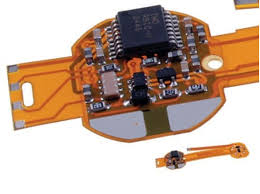
How do flex circuits support 3D designs?
Flex circuits also enhance the reliability of 3D designs by reducing mechanical stress on solder joints and connections. In applications where electronic components experience frequent movement or vibration, such as in robotics or industrial machinery, rigid circuits and connectors can be prone to cracking or loosening over time. Flex circuits, however, can absorb and distribute mechanical stress, maintaining strong electrical connections even under dynamic conditions. This makes them a preferred choice for applications requiring long-term durability in challenging environments.
The ability to integrate multiple layers in flex circuits further supports 3D designs. Multi-layer flex circuits can incorporate additional functionality within the same physical footprint, allowing designers to stack and route circuits in compact spaces without compromising performance. These circuits can include advanced features like shielding for electromagnetic interference (EMI) and impedance control for high-speed signal transmission. This is essential in applications such as medical devices, where complex electronics must be housed within small, ergonomic designs.
In addition to their structural and functional benefits, flex circuits contribute to the aesthetic and ergonomic appeal of 3D designs. Consumer products like smartwatches and fitness trackers rely on sleek, lightweight designs that are comfortable to wear. Flex circuits make it possible to integrate advanced electronics into these devices without sacrificing comfort or style. Similarly, in the automotive sector, flex circuits enable sophisticated dashboard designs and advanced lighting systems that enhance the user experience.
In conclusion, flex circuits play a crucial role in supporting 3D designs by offering unparalleled flexibility, space efficiency, and reliability. Their ability to conform to complex shapes and integrate multiple functionalities within a single, lightweight structure makes them indispensable in industries ranging from consumer electronics to aerospace. As the demand for compact, high-performance devices continues to grow, the use of flex circuits in 3D designs will remain a cornerstone of innovation.