flexible circuit boards support electronic mobility
Flexible circuit boards play a crucial role in supporting electronic mobility, primarily through their unique characteristics that facilitate the design of compact, lightweight, and adaptable devices. As the demand for portable electronics continues to rise, driven by trends such as the Internet of Things (IoT), wearable technology, and smart devices, flexible circuit boards have emerged as essential components that enable innovation in these fields. Their inherent flexibility and versatility make them ideal for applications where space and weight constraints are critical, allowing designers to create more sophisticated and efficient electronic solutions.
One of the primary advantages of flexible circuit boards is their ability to conform to various shapes and sizes. This feature enables manufacturers to integrate them into a wide range of devices, from smartphones and tablets to wearable gadgets like fitness trackers and smartwatches. Unlike traditional rigid circuit boards, flexible circuits can bend, twist, and fold, accommodating the ergonomic designs that modern consumers demand. This adaptability allows for innovative product designs that enhance user experience while maintaining performance, ultimately driving the growth of electronic mobility.
Furthermore, flexible circuit boards contribute to weight reduction in electronic devices. Traditional rigid circuit boards are often bulkier and heavier, which can limit the portability of devices. In contrast, flexible circuits are lightweight, enabling manufacturers to create thinner and lighter products without sacrificing functionality. This weight reduction is particularly important in portable electronics, where consumers increasingly prefer devices that are easy to carry and use. The compactness of flexible circuit boards allows for the integration of more features in a smaller footprint, supporting the trend toward miniaturization in electronics.
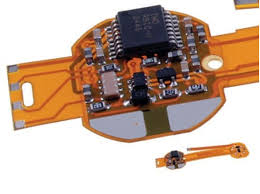
How do flexible circuit boards support electronic mobility?
In addition to their physical advantages, flexible circuit board also enhance the electrical performance of devices. Their design allows for shorter interconnections between components, reducing signal loss and improving overall efficiency. This is particularly crucial in high-speed applications where maintaining signal integrity is vital. By utilizing flexible circuit technology, manufacturers can create devices that not only perform better but also consume less power, contributing to longer battery life—a significant consideration in mobile electronics. As consumers increasingly rely on their devices for extended periods, energy efficiency becomes paramount, and flexible circuit boards play a key role in achieving this goal.
Another aspect of how flexible circuit boards support electronic mobility is their ability to facilitate complex circuitry in compact spaces. With the growing demand for multifunctional devices, there is a need for intricate circuit designs that can accommodate various functionalities in a limited area. Flexible circuits can incorporate multiple layers, advanced routing techniques, and high-density interconnects, allowing for sophisticated designs that meet the demands of modern technology. This capability enables manufacturers to develop devices with advanced features, such as touch screens, sensors, and wireless connectivity, all integrated into a single, portable form factor.
Moreover, flexible circuit boards are essential in the development of wearable technology, which has gained immense popularity in recent years. These devices often require circuits that can withstand constant movement and flexing without compromising performance. Flexible circuits are designed to endure mechanical stress, making them ideal for use in wearable devices that must remain functional despite the rigors of daily wear. The combination of flexibility and durability ensures that these devices can operate effectively while providing users with real-time data and connectivity.