Important Factor in Flexible Circuit Board Manufacturing Processes
Rework is a costly, time consuming, resource hungry process. It isn’t just a problem for the manufacturing industry, it’s also a real pain for anyone who pays for any kind of service work. Whether it’s a botched garden job, a poorly done home renovation or a missed window cleaning appointment, rework is frustrating for paying customers and creates stress for frontline employees who are trying to satisfy them.
In electronics, rework is a necessary part of the design and prototyping process. It allows engineers to alter and improve the circuit boards they’re working with without the need to create an entirely new board. In addition, rework helps to decrease waste and improve the dependability of electronic devices.
The most obvious reason rework is an important factor in flex circuit board manufacturers is that it prevents defective products from entering the supply chain. Defective products cost manufacturers money and create a negative perception in the market that can damage the brand reputation of the product.
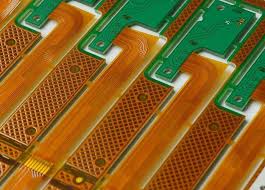
Why Rework Is an Important Factor in Flexible Circuit Board Manufacturing Processes
To ensure quality, the manufacture of a PCB must include numerous steps to check the assembly for defects. These checks may include X-ray inspections, visual inspections, and the use of a temperature control system. These tools help the manufacturer to identify and correct any errors that could potentially lead to a product failure, or a non-conformance with customer specifications.
However, even with these rigorous processes in place, there will still be defects that can cause rework. Some of these issues are the result of human error, while others can be due to machine problems or environmental conditions. Many of these problems can be prevented by developing and implementing standard operating procedures (SOPs) in the plant. This will provide a clear set of guidelines for workers, and help them to avoid common mistakes and errors.
Various types of components require different soldering temperatures during rework. It is therefore crucial that a contract manufacturer understands the specific requirements of each component they use. This knowledge will allow them to select the most appropriate rework equipment for each task. Additionally, the correct pre-bake procedure must be used for flex circuits. Pre-bake is a step that should be performed to remove any moisture in the materials before reflow soldering. This will avoid the formation of tacky, no-clean flux residue and minimize the risk of shifting between the copper and polyimide layers of a flex circuit.
Fortunately, rework services are available from a variety of electronics rework providers that have specialized equipment and experience handling complex electronic repairs. These companies can handle intricate rework tasks that are beyond the capabilities of most contract manufacturers. They can also offer a range of other specialized services that are difficult for CMs to do in-house, such as BGA and surface mount rework. This makes them a valuable resource for CMs looking to improve the quality of their final products. Moreover, these electronic rework services are usually offered at a lower cost than the costs associated with buying or renting the necessary equipment.