WorldAnimalFoundation.org is reader-supported. When you buy through links on our site, we may earn an affiliate commission. Learn More
Not all dogs are household names! While some common breeds steal the spotlight, some truly unique canines remain hidden from the mainstream. These rare dog breeds are like hidden treasures—possessing fascinating histories, striking appearances, and personalities that set them apart.
Some have been around for centuries yet remain elusive, while others are so uncommon that even seasoned dog lovers may never have heard of them.
What makes these breeds so rare? Some thrive only in specific regions, others have dwindling populations, and a few are simply best-kept as well-kept secrets among enthusiasts. But one thing is certain—each dog has a story to tell and a charm that deserves recognition.
Ready to meet some of the rarest four-legged companions in the world? Let’s dive into the fascinating world of the less common dogs!
Least Common Dog Breeds
1. Cirneco dell’Etna
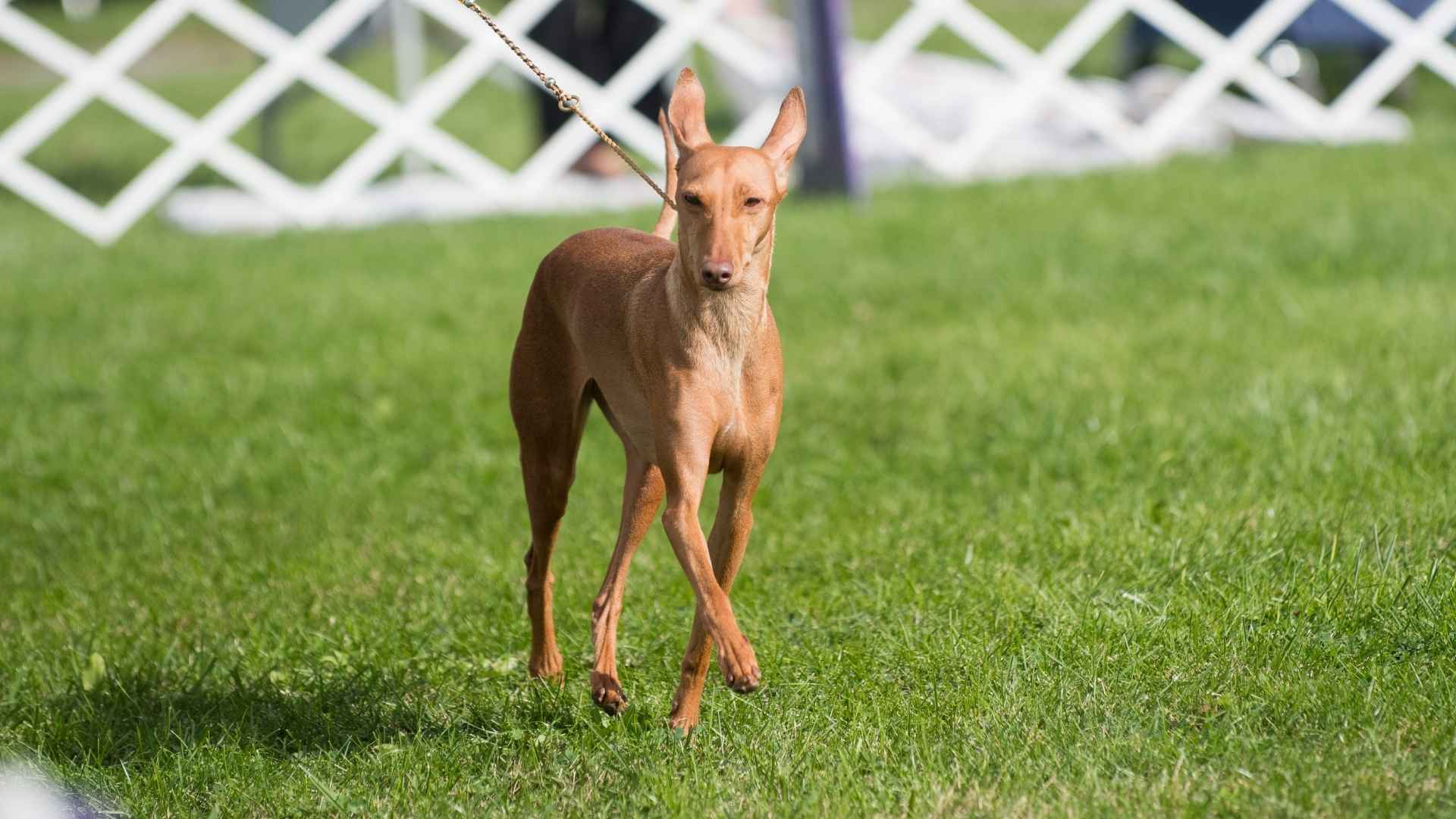
The Cirneco dell’Etna is a rare and ancient breed from Sicily, Italy. This sleek, slender hound was historically bred for hunting rabbits and game in the harsh volcanic terrain surrounding Mount Etna.
With its athletic build, tall, pointed ears, and remarkable speed, the Cirneco is an agile and independent hunter, capable of enduring long hours in the field.
Despite its long history, the Cirneco dell’Etna remains a lesser common breed worldwide. For centuries, it was primarily found in small numbers in Sicily, where local hunters carefully preserved its lineage. Unlike many other European breeds, it never experienced widespread popularity outside its homeland, keeping its numbers relatively low.
One reason for its rarity is its late official recognition on an international scale. While the breed has existed for thousands of years, it wasn’t acknowledged by the American Kennel Club (AKC) until 2015. This late recognition meant that it missed the surge in popularity that many other hunting breeds experienced throughout the 20th century.
Additionally, the Cirneco’s specialized nature limits its appeal to pet owners. This breed requires ample exercise, mental stimulation, and space to thrive, making it best suited for experienced dog handlers or active individuals.
Purina states its independent temperament and strong prey drive also mean that it may not be the easiest breed to train, further reducing its mainstream appeal.
Another factor contributing to its uncommon status is the lack of large-scale breeding programs outside Italy. While dedicated breeders in Europe and the U.S. are working to preserve and promote the Cirneco, its numbers remain small compared to other breeds.
Though rare, the Cirneco dell’Etna is a fascinating breed that deserves recognition. With its intelligence, affectionate nature, and deep-rooted history, it remains a hidden gem.
2. Finnish Spitz
The Finnish Spitz is a rare and unique breed known as the national dog of Finland. Originally bred as a hunting companion, this fox-like dog is famous for its ability to track and alert hunters to game by using its distinctive, rapid barking style called “yodeling.”
With its fluffy golden-red coat, erect ears, and lively expression, the Finnish Spitz is beautiful and highly intelligent.
Despite its deep-rooted history in Finland, the breed remains one of the less known outside of its native country. It was once widespread, but as firearms became more popular for hunting, the demand for traditional barking bird dogs like the Finnish Spitz declined.

Another reason for its rarity is its strong-willed and independent nature. Finnish Spitz has a mind of its own. It requires patient training and an experienced owner who understands its natural hunting instincts, making it less common among casual dog owners.
Additionally, the Finnish Spitz thrives in active environments where it can run and exercise freely. It is not well-suited for apartment living or sedentary households, limiting its appeal to a niche group of dog enthusiasts.
While it is still a well-loved breed in Finland, its numbers outside Scandinavia remain small, making it a true hidden gem in the dog world.
For those who appreciate a spirited and loyal breed, the Finnish Spitz is an exceptional choice. Its intelligence, lively personality, and striking appearance make it a great companion worth celebrating, even if it remains one of the lesser-known canines globally.
3. Cesky Terrier
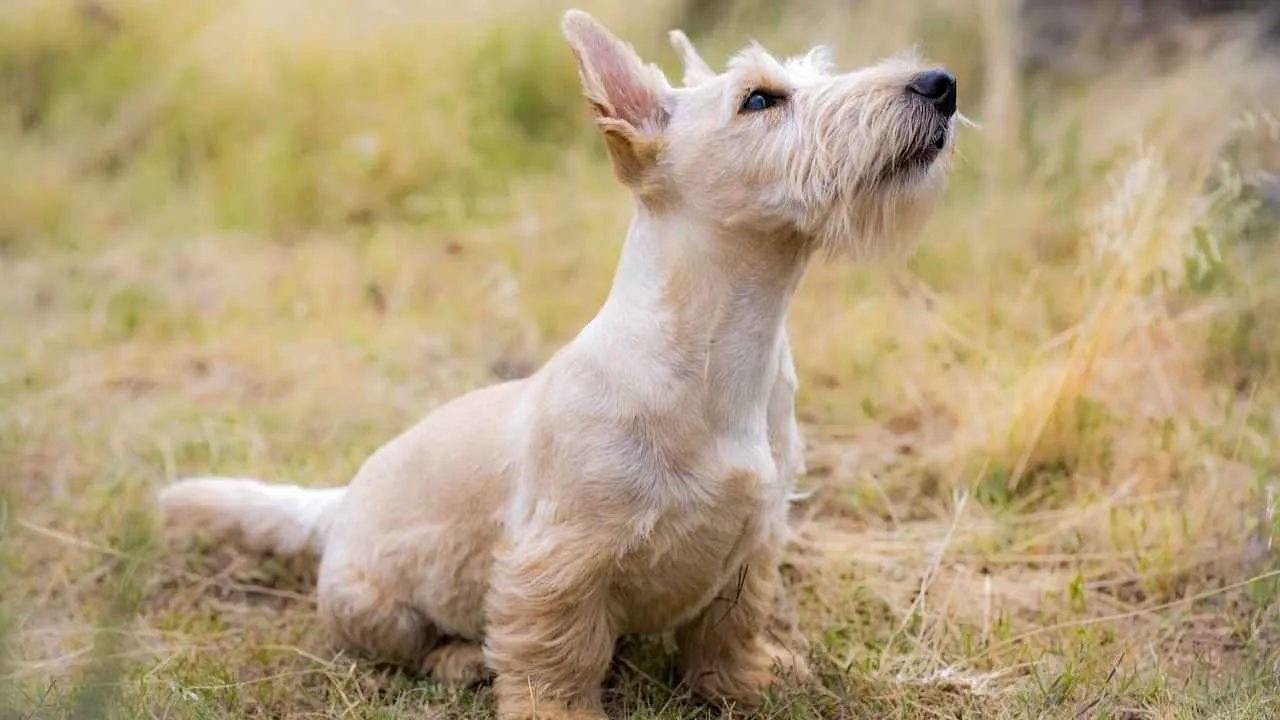
The Cesky Terrier is a rare yet remarkable breed known for its intelligence, loyalty, and adaptability. Developed in the Czech Republic as a gun dog and hunting companion, it was specifically bred for tracking and flushing out small game. With its dense coat and well-muscled body, this breed stands out for both its elegance and working ability.
Despite its admirable qualities, the Cesky Terrier remains one of the lesser-known breeds. Limited breeding programs and its specialized history as a working breed contribute to its rarity. As noted by AKC, there are fewer than 600 puppies registered worldwide each year.

Created in the mid-20th century by Czech breeder František Horák, the Cesky Terrier is a mix of the Bedlington Terrier and Sealyham Terrier.
PetMD states Cesky Terrier excels as a house pet, known for its affectionate and adaptable temperament. It is quieter than most terriers, making it an excellent family pet for homes with children. However, its rarity and limited breeders make it difficult to find outside of dedicated circles.
Though less common, the Cesky Terrier remains a wonderful dog with strong hunting instincts and a devoted personality. Those who own one appreciate its playful, affectionate, and loyal nature, making it a true hidden gem among intelligent dogs.
4. English Foxhound
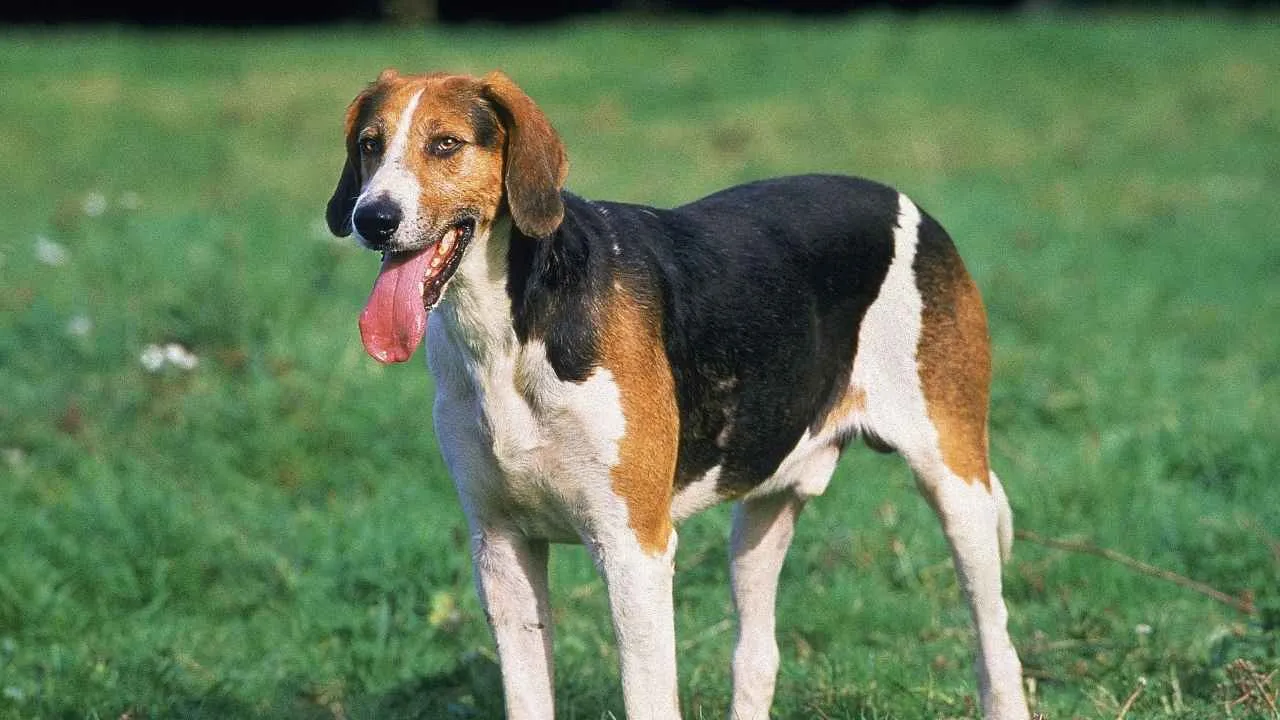
The English Foxhound is a rare yet historically significant breed, originally bred to hunt foxes in the English countryside. Known for its athletic build and large bones, this breed was designed to chase prey over long periods, making it one of the most resilient, high-energy dogs. Its white patches, often mixed with black and tan, add to its distinctive appearance.
Despite its strong hunting background, the English Foxhound is a lesser-known dog breed today. It has stayed primarily a working pack hound rather than transitioning into a beloved pet. Its intense energy and need for structured pack living make it a challenging choice for most homes.

English Foxhound was bred for one purpose—hunting. This focus has prevented it from gaining widespread popularity as a family pet, unlike other breeds that have successfully adapted to modern lifestyles. Its high activity level makes it better suited for experienced owners with ample space.
The breed’s remote valley origins in England also contributed to its rarity. English foxhounds remained deeply tied to British hunting traditions. Though foxhunting declined, it did not gain traction as a companion breed.
Although rare, the English Foxhound is a remarkable breed with an unmatched hunting lineage and endurance. While it has not transitioned into household pets, it remains a prized working hound. For those seeking an energetic, determined, and athletic dog, this breed is a hidden gem with a rich history.
5. Harrier
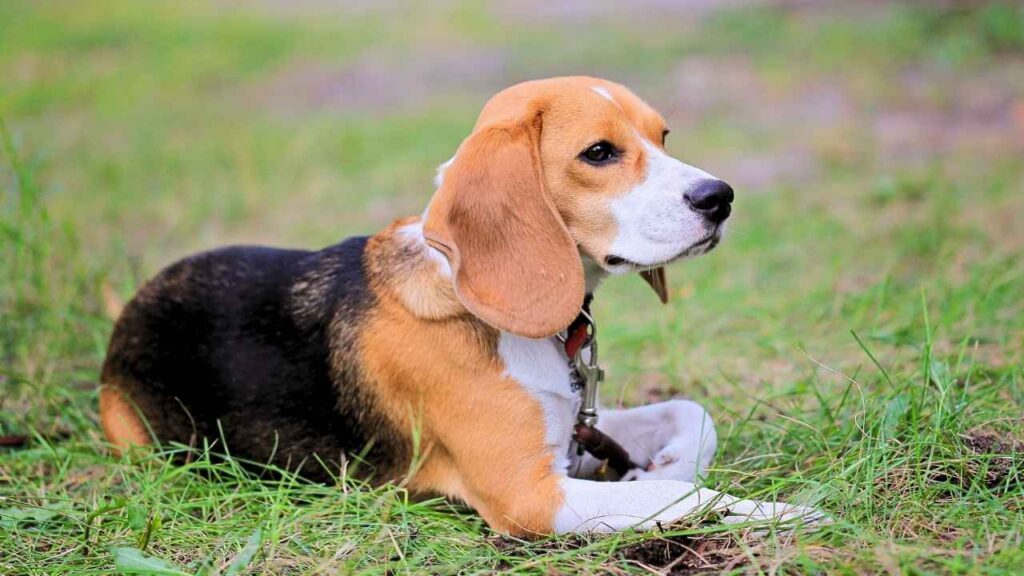
The Harrier is a rare and underrated hunting breed, originally bred for hunting small game, particularly hares and foxes. With a build similar to the English Foxhound but slightly smaller, the Harrier is an athletic and determined scent hound known for its endurance and tracking abilities.
Its gentle nature and friendly temperament make it an excellent pack dog for hunting and companionship.

Harrier has struggled to gain mainstream recognition. Its historical role as a working hound, rather than a household companion, has limited its demand outside of dedicated hunting groups.
Its specialized breeding for stamina and scent-tracking means it is less adaptable to non-hunting roles. However, its gentle nature makes it a good fit for active families who understand its need for exercise.
Harrier has a short, sleek coat that provides little protection in extreme weather. It thrives in moderate environments, running freely and following scents without climate limitations.
Although rare, the Harrier is a loyal and capable dog with a strong hunting instinct. While it may not be a popular pet, it remains a valuable breed for those who appreciate its stamina, scenting ability, and friendly personality.
6. Norwegian Lundehund
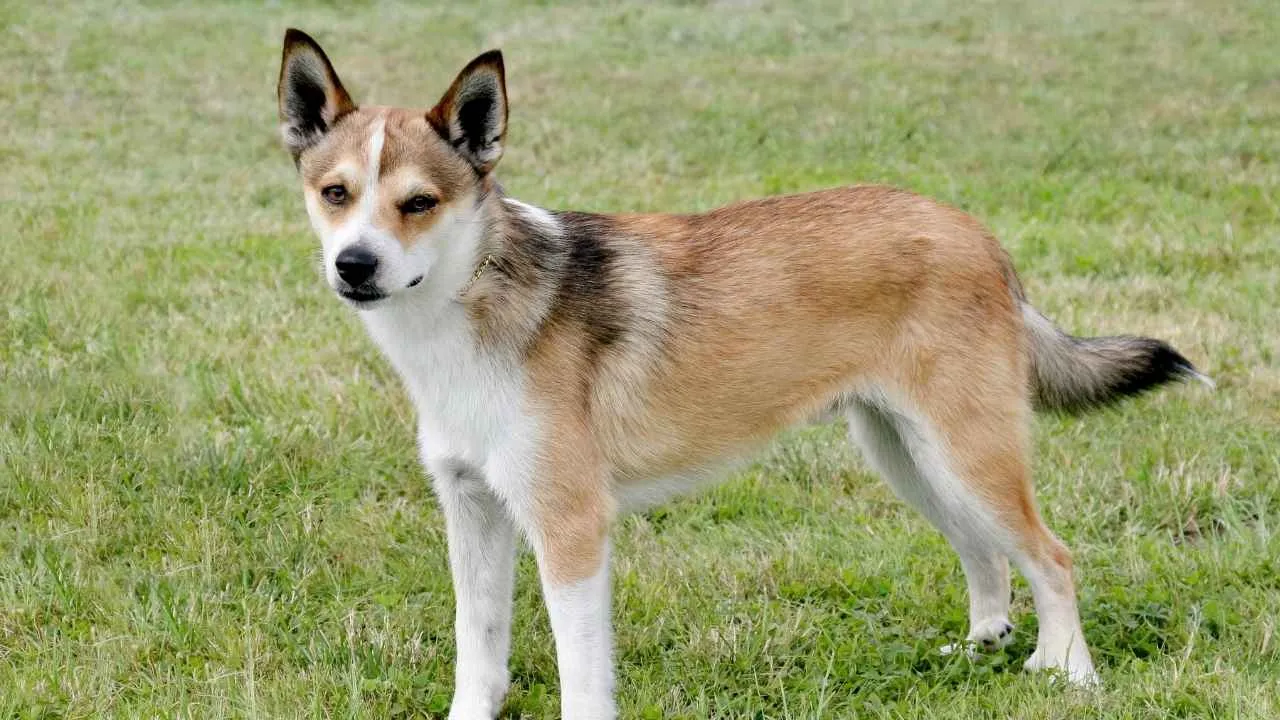
The Norwegian Lundehund is among the rarest and most unique dog breeds worldwide. Originally bred in Norway for hunting puffins, this agile and flexible breed was essential for retrieving birds from cliffs and rocky crevices.
This rare breed from the Arctic Circle is uniquely adapted for rugged terrains with its webbed feet for stability and loose skin that enhances flexibility while navigating cliffs. Lundehund developed extraordinary physical traits, including six toes on each foot and highly flexible joints, allowing it to climb and maneuver in rugged terrain easily.
While its silky fur and compact size make it an attractive breed, its specialized needs require an experienced and committed owner.

Norwegian Lundehund’s decline began when new hunting methods, such as nets, replaced the need for dogs in otter hunting and bird retrieval. By the mid-20th century, the breed nearly went extinct, with only a handful of dogs left in Norway. Careful preservation efforts have helped increase its numbers, but it remains a rare sight outside Scandinavia.
One reason for its rarity is its highly specific breeding purpose, or the singular role—retrieving puffins. Once that role became obsolete, the breed struggled to find a new purpose, limiting its appeal beyond dedicated enthusiasts.
Additionally, the breed has unique health challenges, including a predisposition to digestive issues requiring careful management. This makes ownership more complex than other dogs, further restricting its popularity among casual pet owners.
Though rare, the Norwegian Lundehund is a remarkable breed with a rich history and unmatched physical abilities. For those who appreciate unique and historically significant dogs, the Lundehund is a true hidden gem that embodies resilience, agility, and an enduring connection to Norway’s coastal heritage.
7. Sloughi
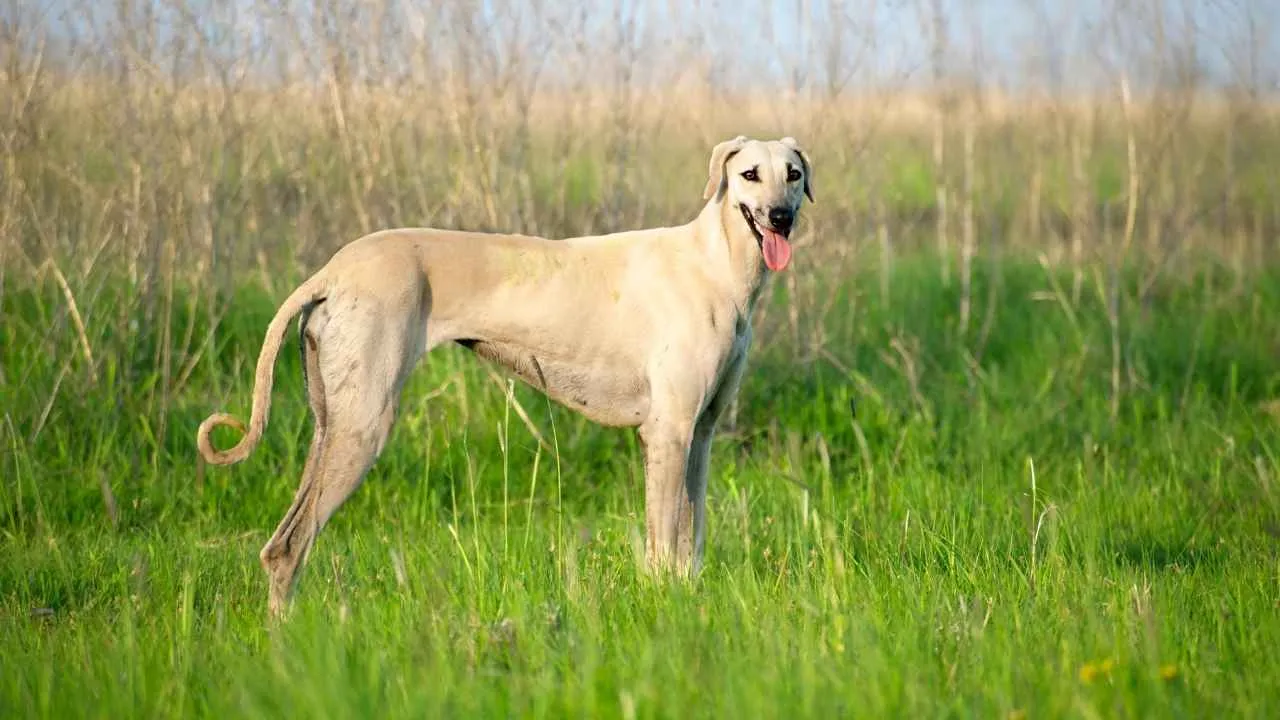
The Sloughi, often called the Arabian Greyhound, is a rare, ancient sighthound breed from North Africa. Bred for speed and endurance, this elegant yet powerful dog was traditionally used for hunting games across vast deserts. Sloughi’s lean frame and unmatched agility make it a highly specialized and efficient hunter.
Despite its long history, the Sloughi remains less known outside its native regions. Unlike more recognized sighthounds, the Sloughi has struggled to gain widespread popularity. Its rarity is partly due to strict breeding regulations and fewer dedicated breeders outside North Africa.

Sloughi has a short, smooth coat that provides minimal protection from harsh weather. However, its tight skin and lean muscle structure help maximize speed and flexibility. Its taut, streamlined appearance is built for efficiency.
The breed is known for its reserved and independent temperament, making it less suited for inexperienced owners. Sloughi tends to bond deeply with its family while remaining aloof toward strangers. This trait and its strong prey drive limit its appeal to casual dog owners.
Although rare, the Sloughi is a loyal and devoted companion for those who understand its needs. With proper training and an active lifestyle, this graceful sighthound makes an exceptional pet, offering both elegance and a deep connection to one of the oldest hunting traditions in the world.
8. Grand Basset Griffon Vendeen
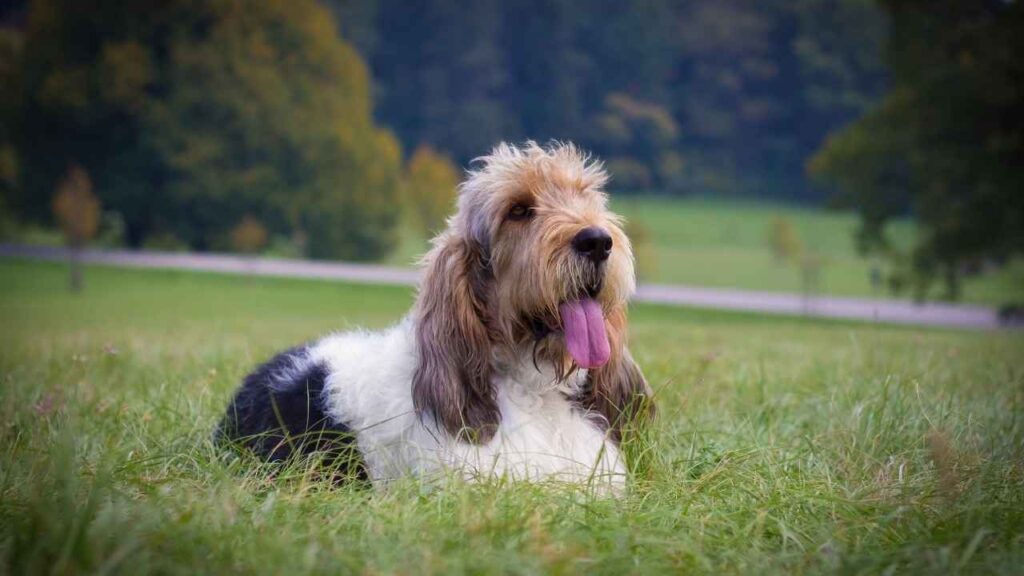
The Grand Basset Griffon Vendéen is a rare yet distinctive French scent hound originally bred for hunting game. With its long body, short legs, and rough coat, this breed is well-adapted for tracking scents over difficult terrain. Its low-to-the-ground build allows it to move steadily while following a trail with unwavering focus.
Despite its exceptional hunting skills, the Grand Basset Griffon Vendéen remains less popular outside of France. Despite its specialized hunting background and has not gained the same level of popularity as other working dogs. Its energetic and independent nature makes it better suited for active owners.
The breed’s appearance is uniquely charming, featuring a bushy tail and expressive, dark eyes that reflect its keen intelligence. Grand Basset Griffon Vendéen’s long, drooping ears enhance its scent-tracking abilities by helping to channel smells toward its nose.
Its shaggy coat, often mixed with shades of white, tan, and eye-catching orange, adds to its rustic and endearing look.
Though affectionate and sociable, its strong hunting instincts require consistent training and plenty of exercise. It thrives in an environment where it can stay active and mentally stimulated. This specialization in hunting, rather than being a lap dog, has contributed to its rarity among general pet owners.

For those looking for a rare yet charismatic dog with a rich hunting heritage, the Grand Basset Griffon Vendéen is an excellent choice. Its playful personality, stamina, and affectionate nature make it a rewarding companion—especially for owners who enjoy outdoor adventures.
9. Pyrenean Shepherd
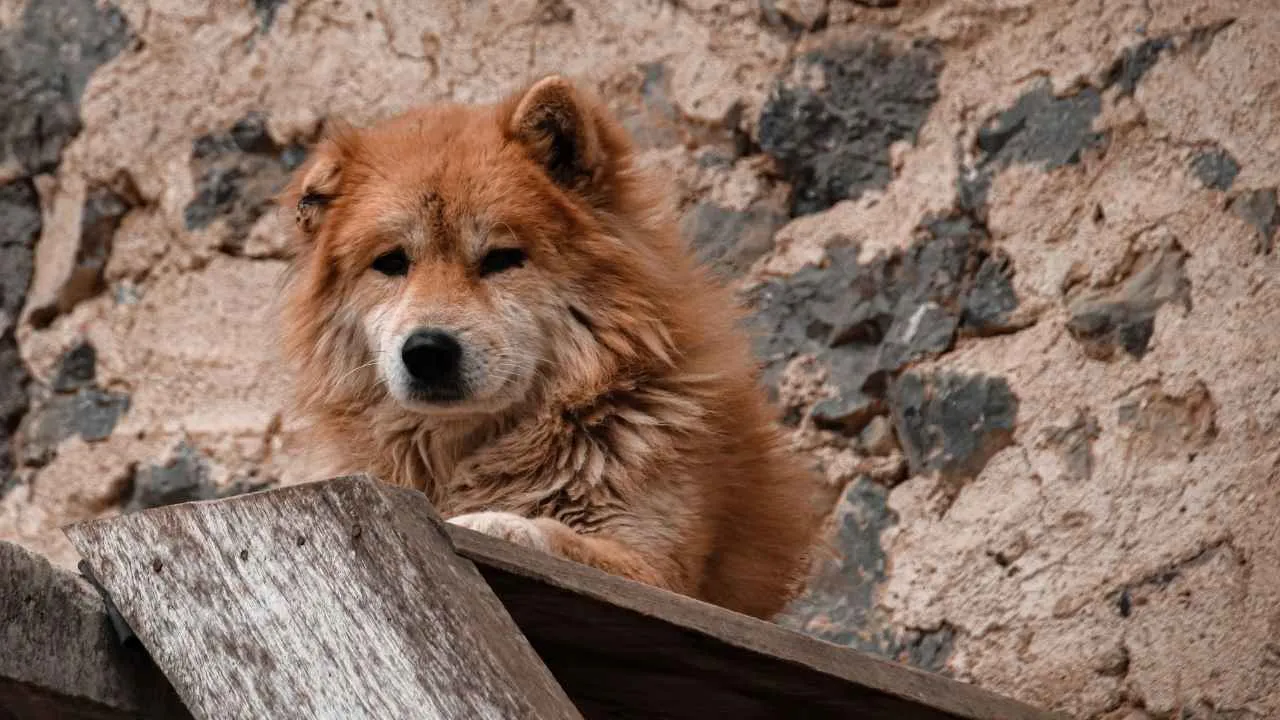
The Pyrenean Shepherd is a rare yet highly skilled herding dog, originally bred in the Pyrenees Mountains to manage livestock. Known for its agility and intelligence, this fun-loving breed is energetic and thrives in active environments. Pyrenean Shepherd is smaller and more nimble, making it a highly efficient worker in rugged terrain.
Pyrenean Shepherd remains one of the least popular breeds outside of its native France due to its highly specialized nature.
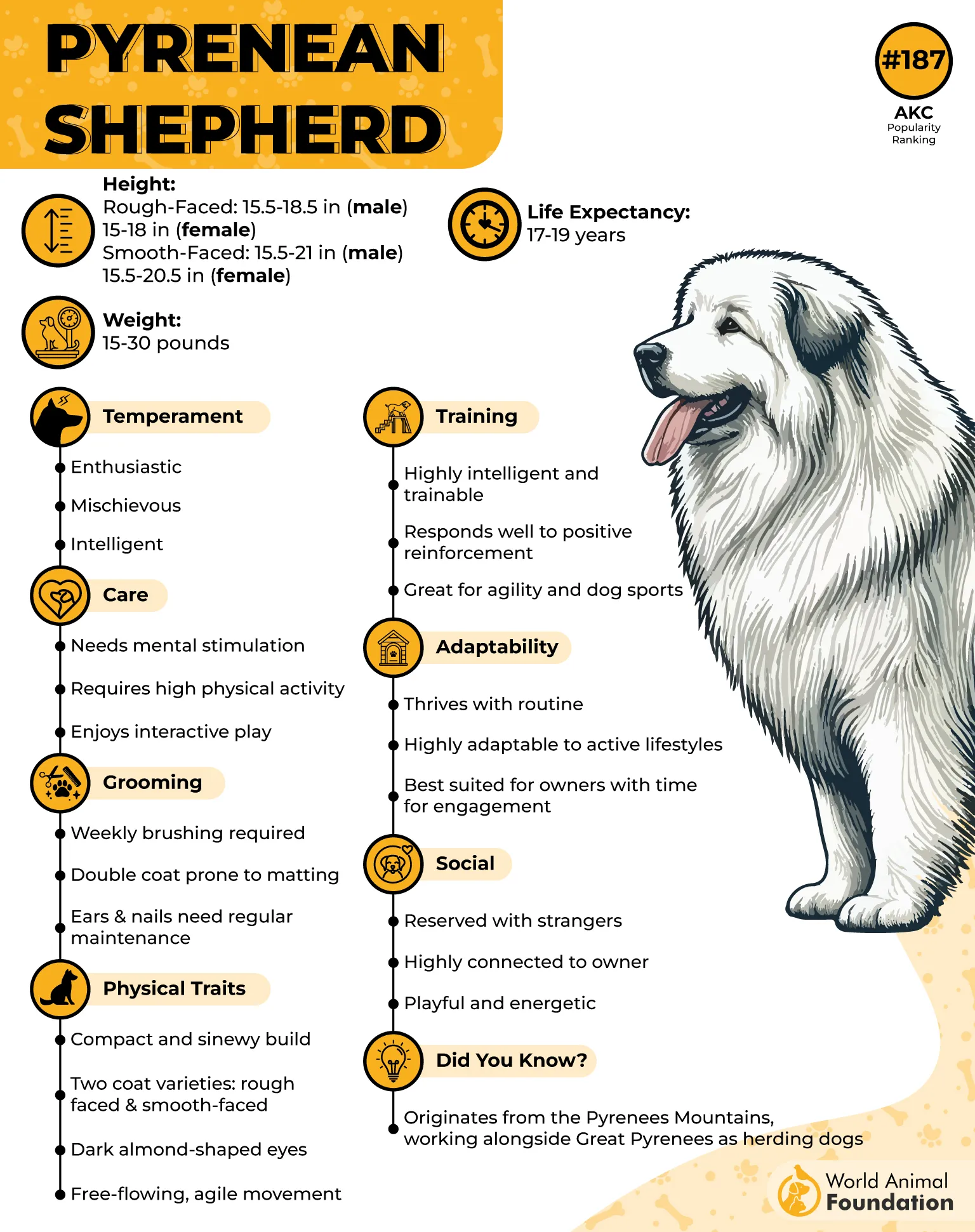
The breed is well-adapted to cold weather thanks to its dense, weather-resistant coat. Pyrenean Shepherd typically comes in two varieties—one with long, wavy fur and another with a shorter, smooth coat. Both types offer protection against harsh mountain climates, helping the breed endure extreme conditions.
Its high energy levels and need for long walks make it best suited for experienced dog owners who can provide constant activity and engagement.
Pyrenean Shepherd was designed for dry, mountainous environments where agility and endurance were more critical than swimming ability. Its compact frame and strong legs allow it to move swiftly across uneven landscapes, making it a highly efficient and tireless worker.
Though rare, the Pyrenean Shepherd is a fiercely loyal and devoted companion for those who appreciate its intelligence and boundless energy. It remains a remarkable dog for those seeking an affectionate, hard-working, and adventurous companion.
Conclusion
While popular dogs like French Bulldogs and American Foxhounds dominate households, many of the least common dogs offer unique qualities that make them just as special. From the shaggy herding dog like the Polish Lowland Sheepdog and Bergamasco Sheepdog to the sleek West African Sighthound and ancient Ibizan Hound, these rare breeds have a distinct history and purpose.
Some, like the Canaan Dog, have origins dating back to Ancient Egypt, while others, such as the Catahoula Leopard Dog, are known for their versatility as guard dogs and service dogs.
Whether you’re drawn to the resilience of cold climate breeds with a double coat or the elegance of an athletic breed with a short coat, exploring these few breeds opens the door to discovering remarkable canine companions beyond the mainstream.